

CSNERT 2026 General Meeting: France’s professional chauffeur sector looks ahead
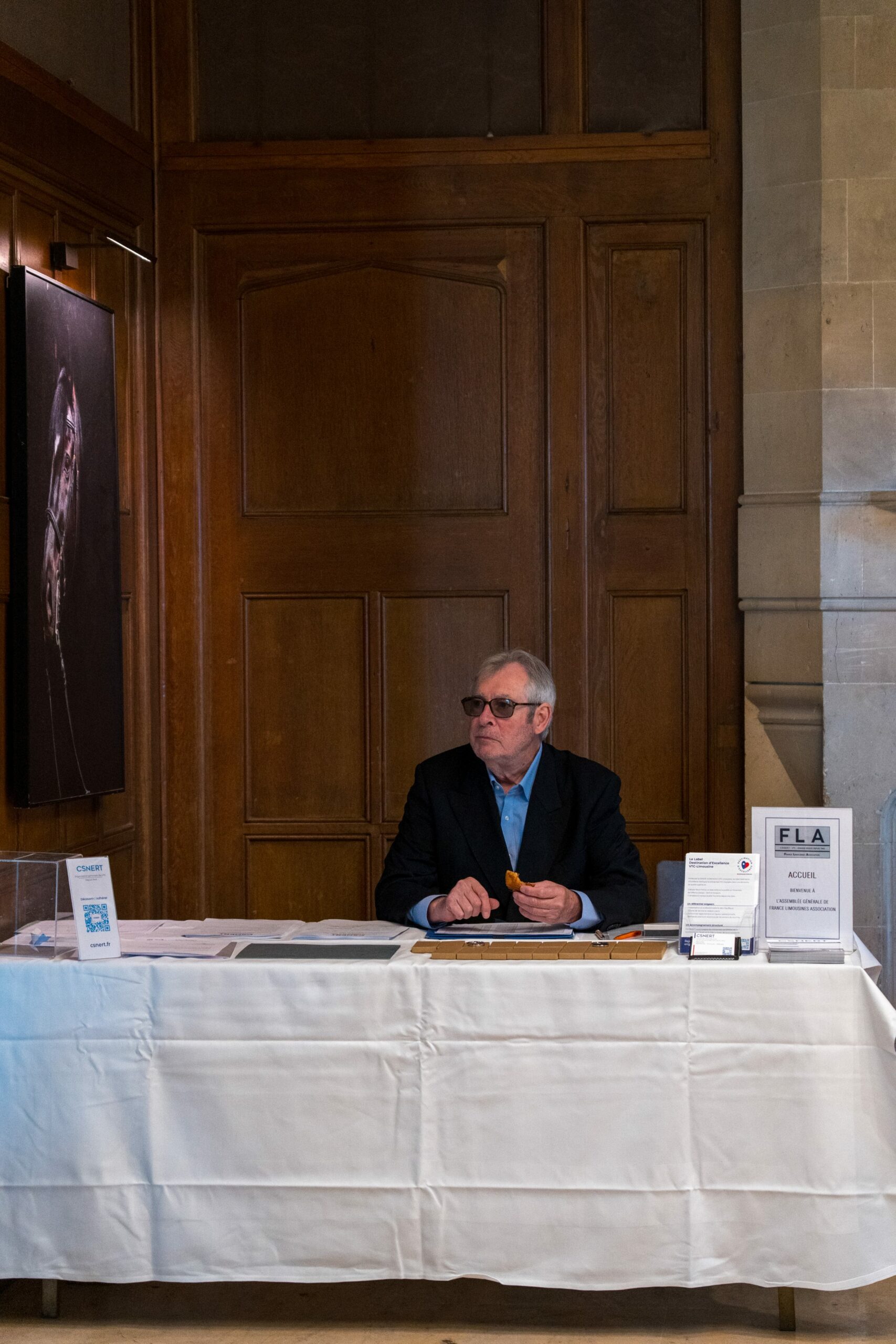
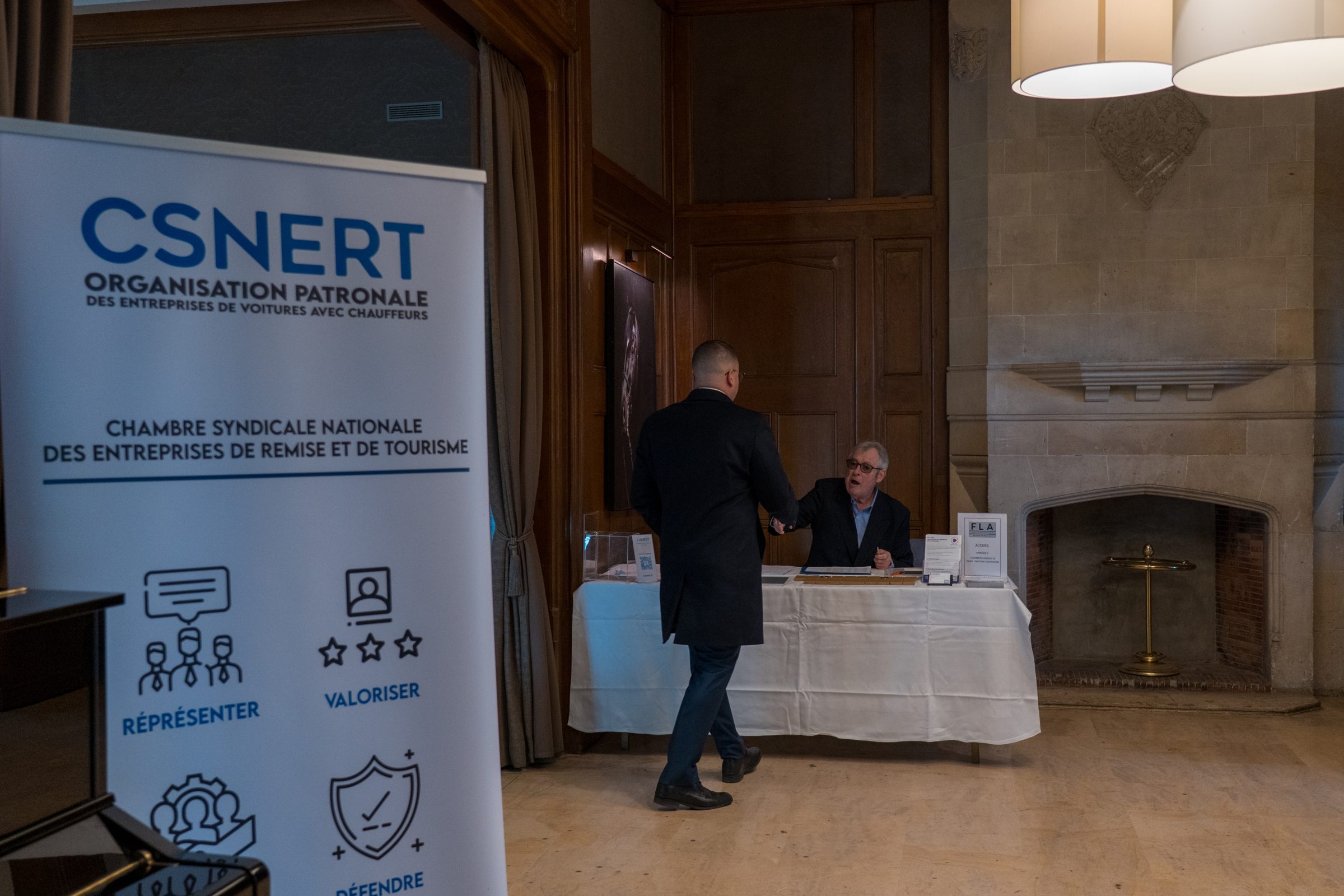
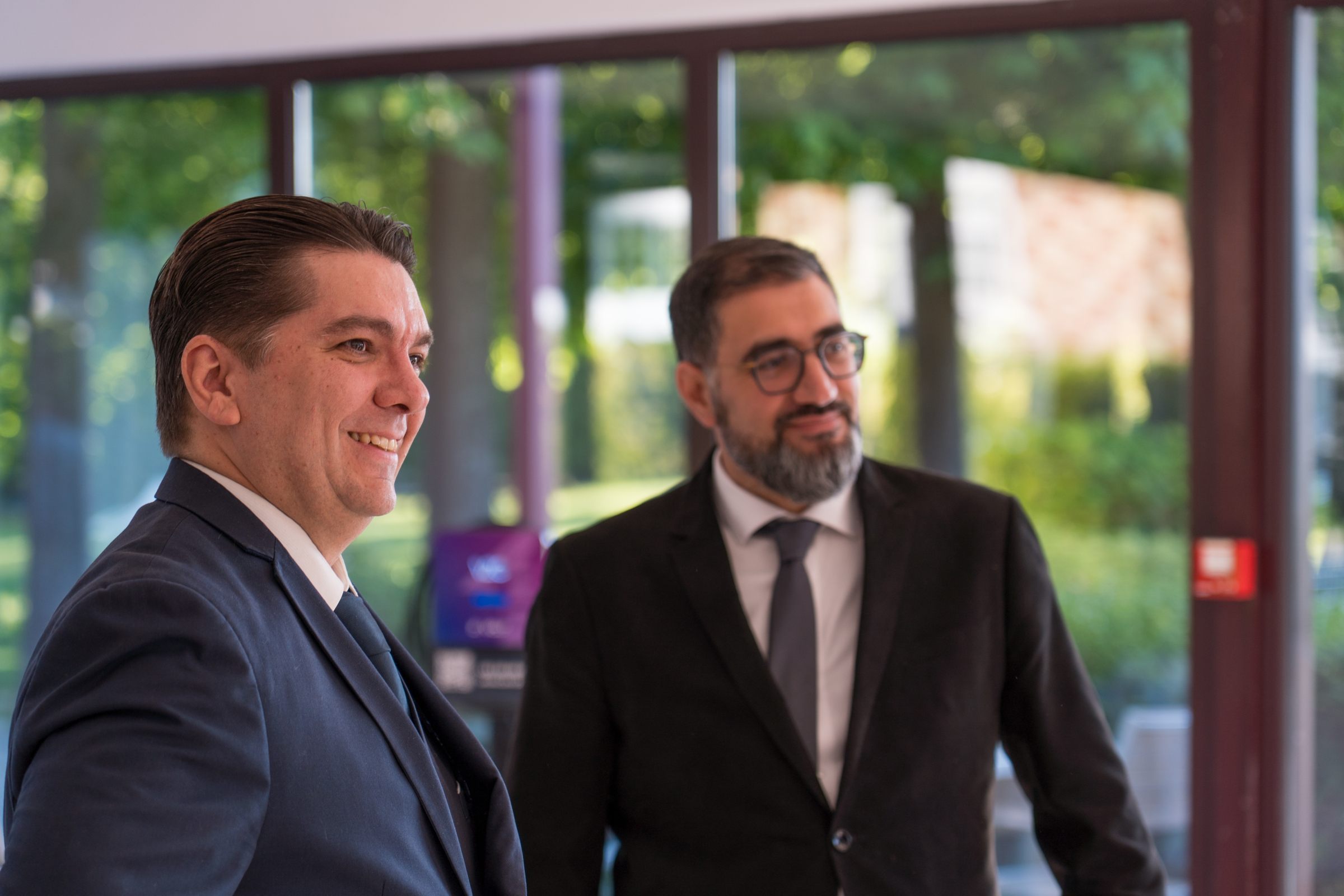
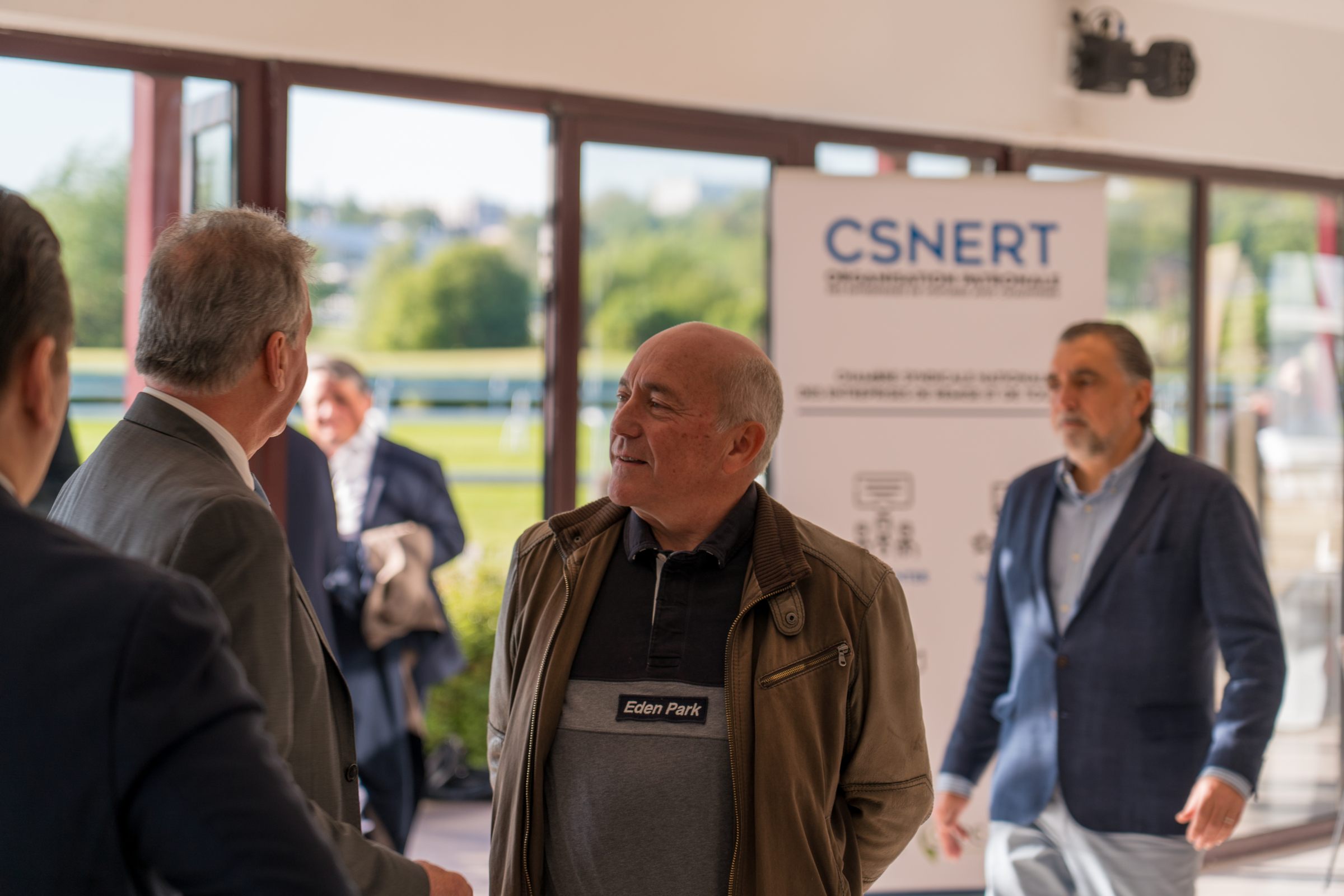
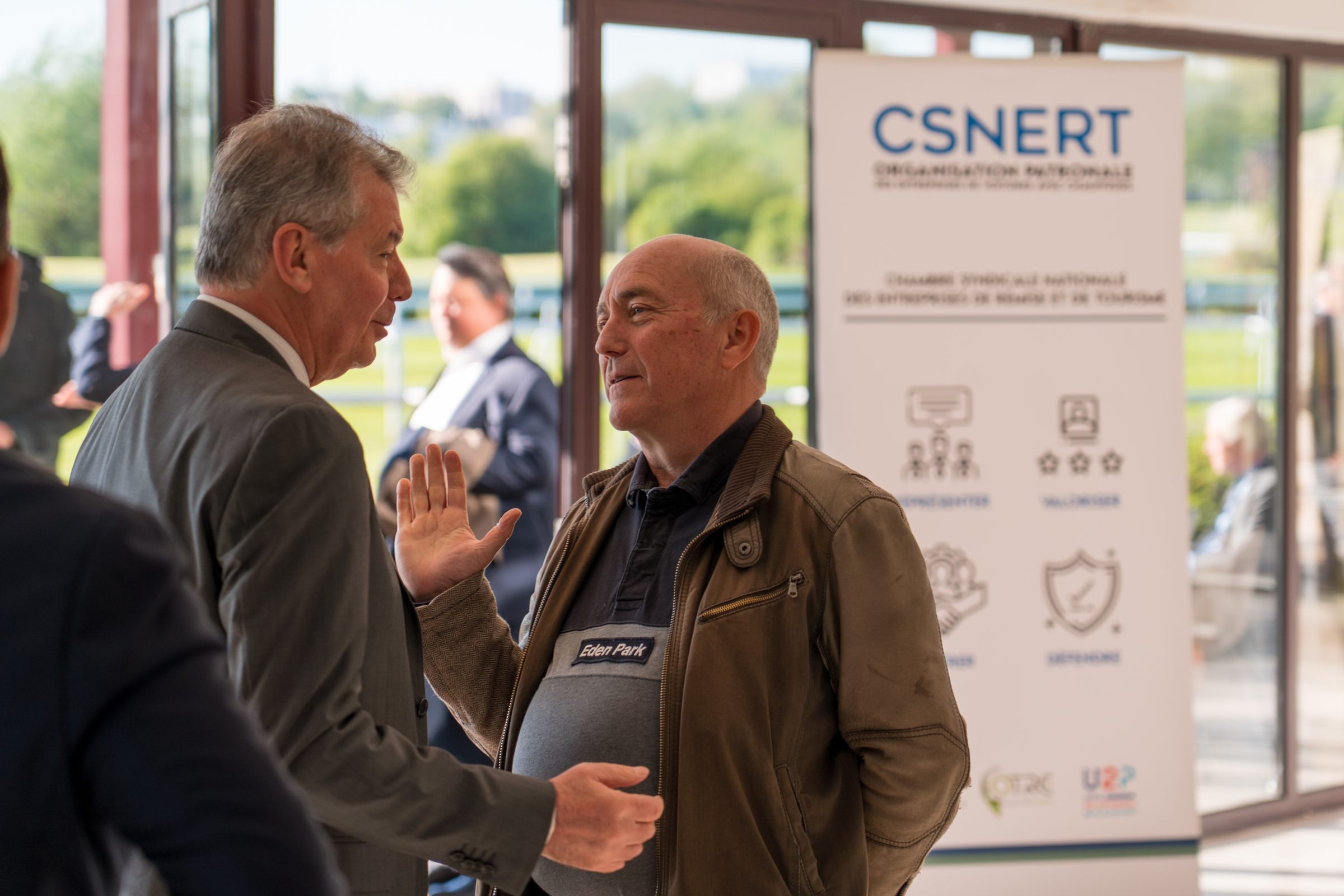
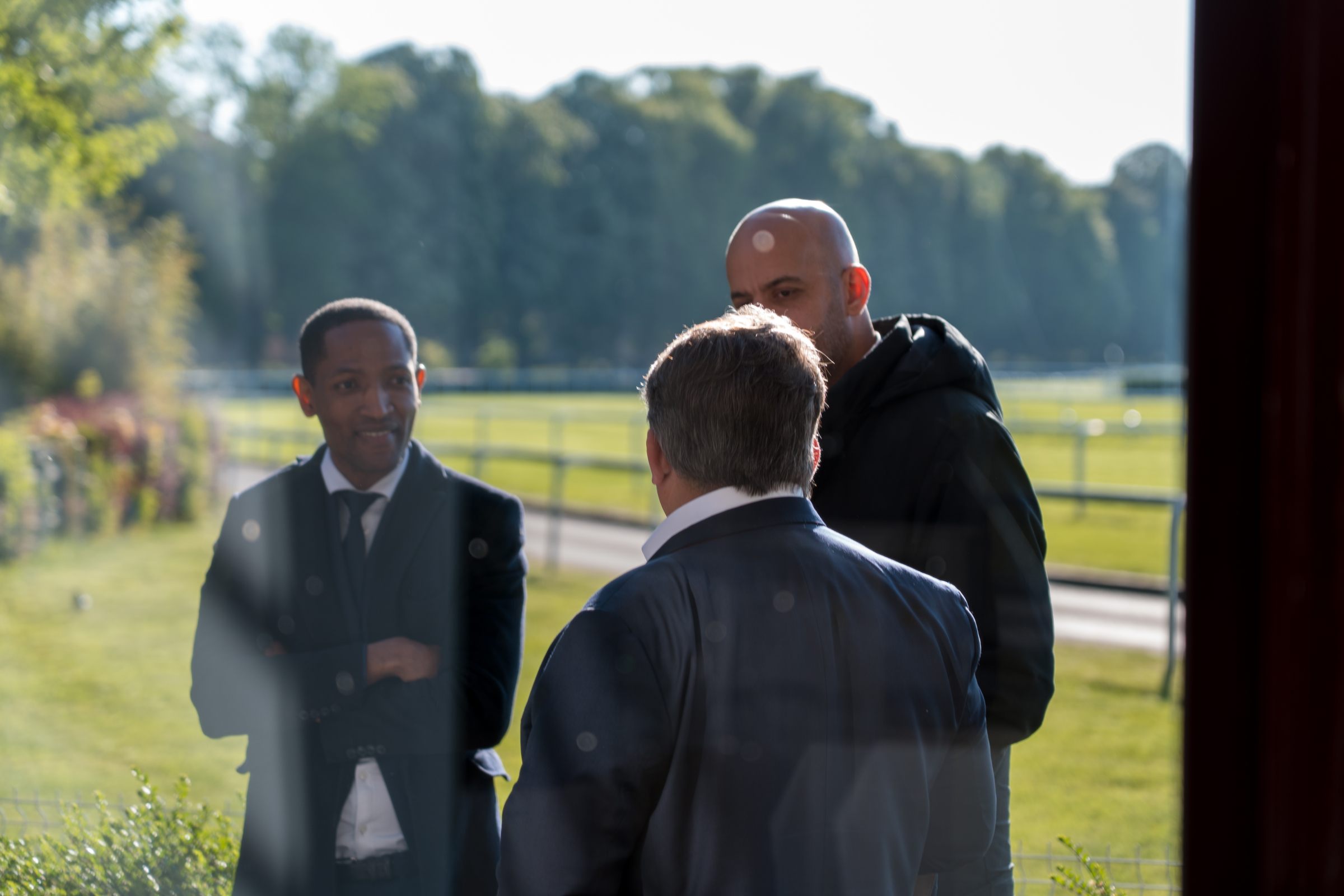
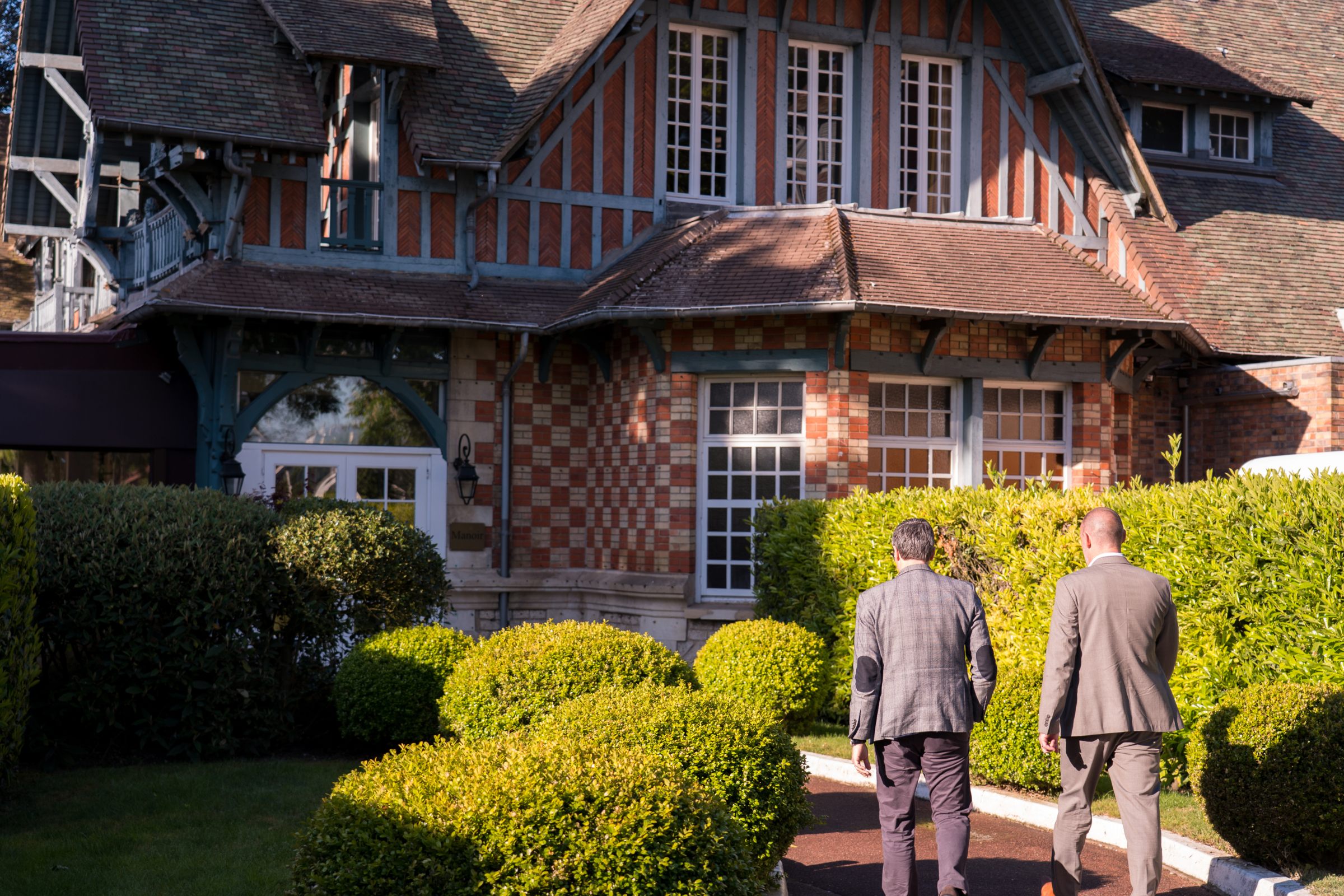
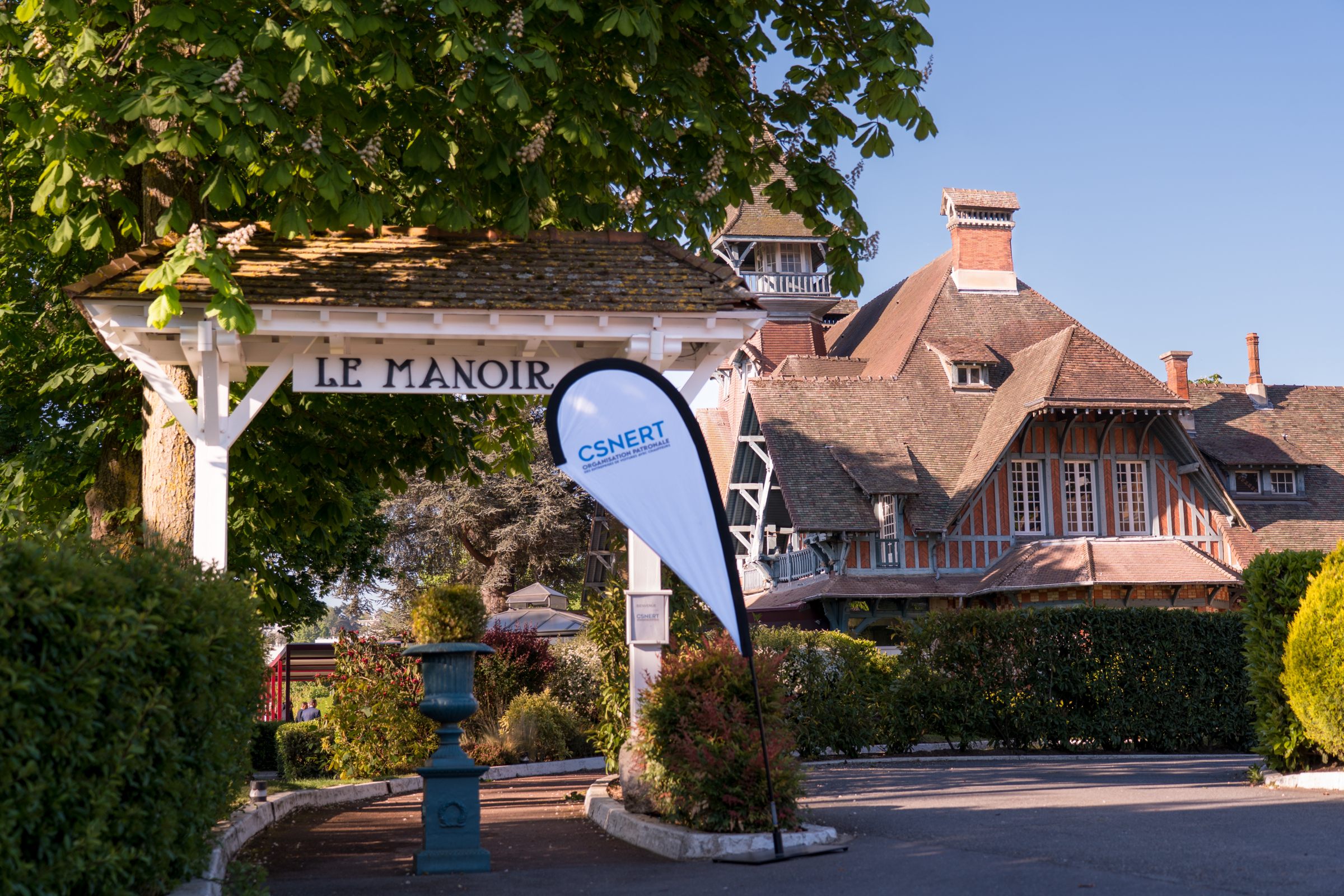
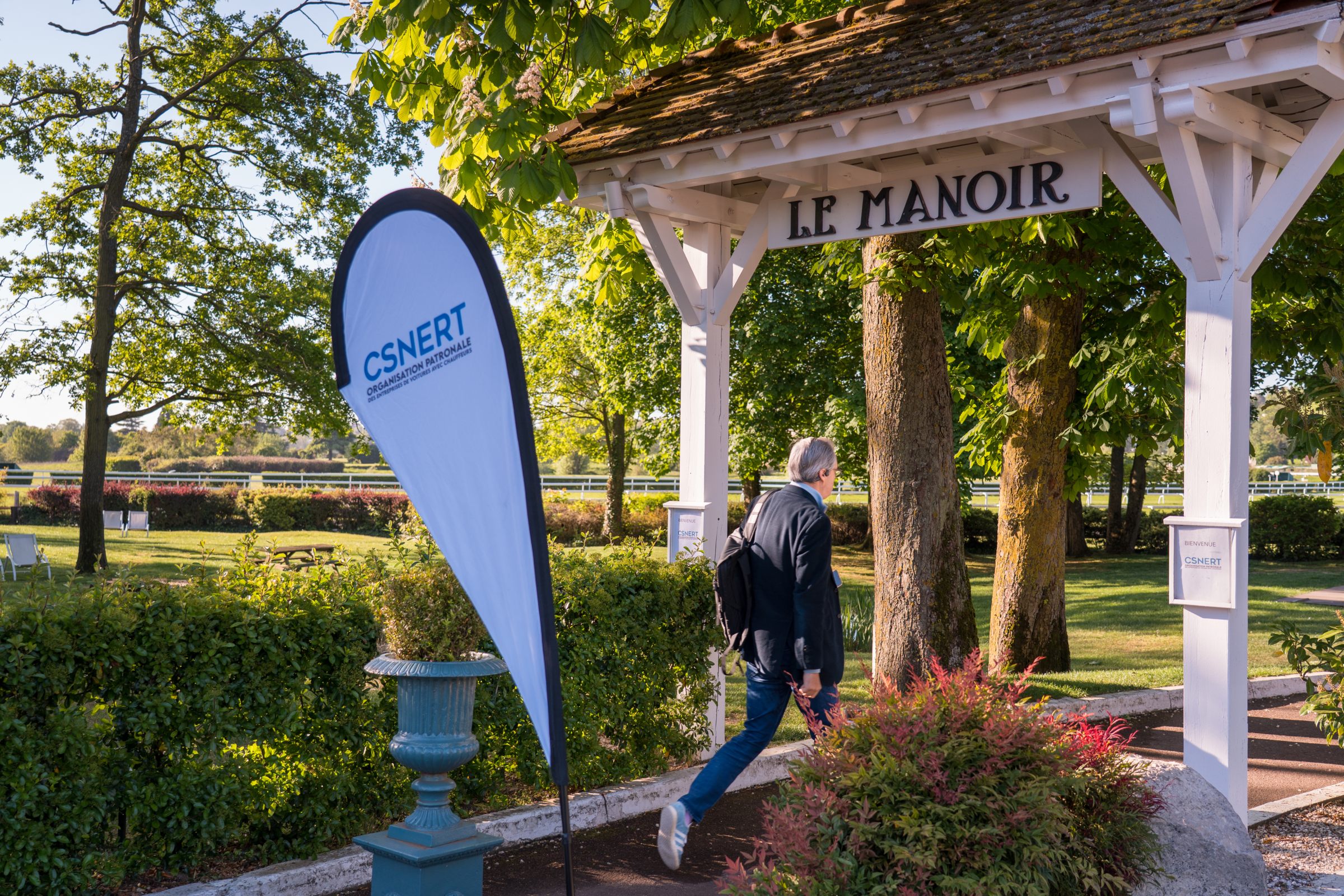
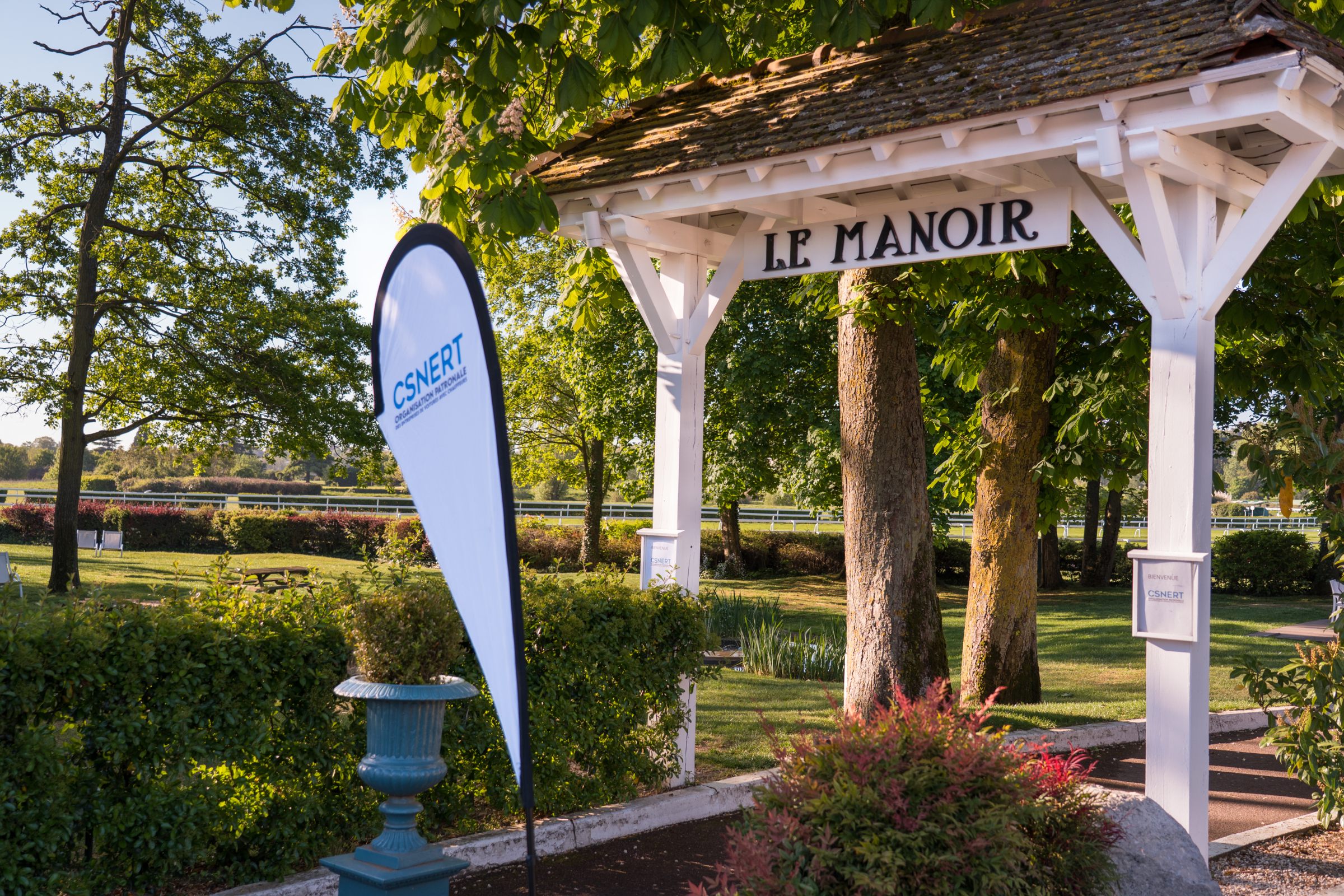
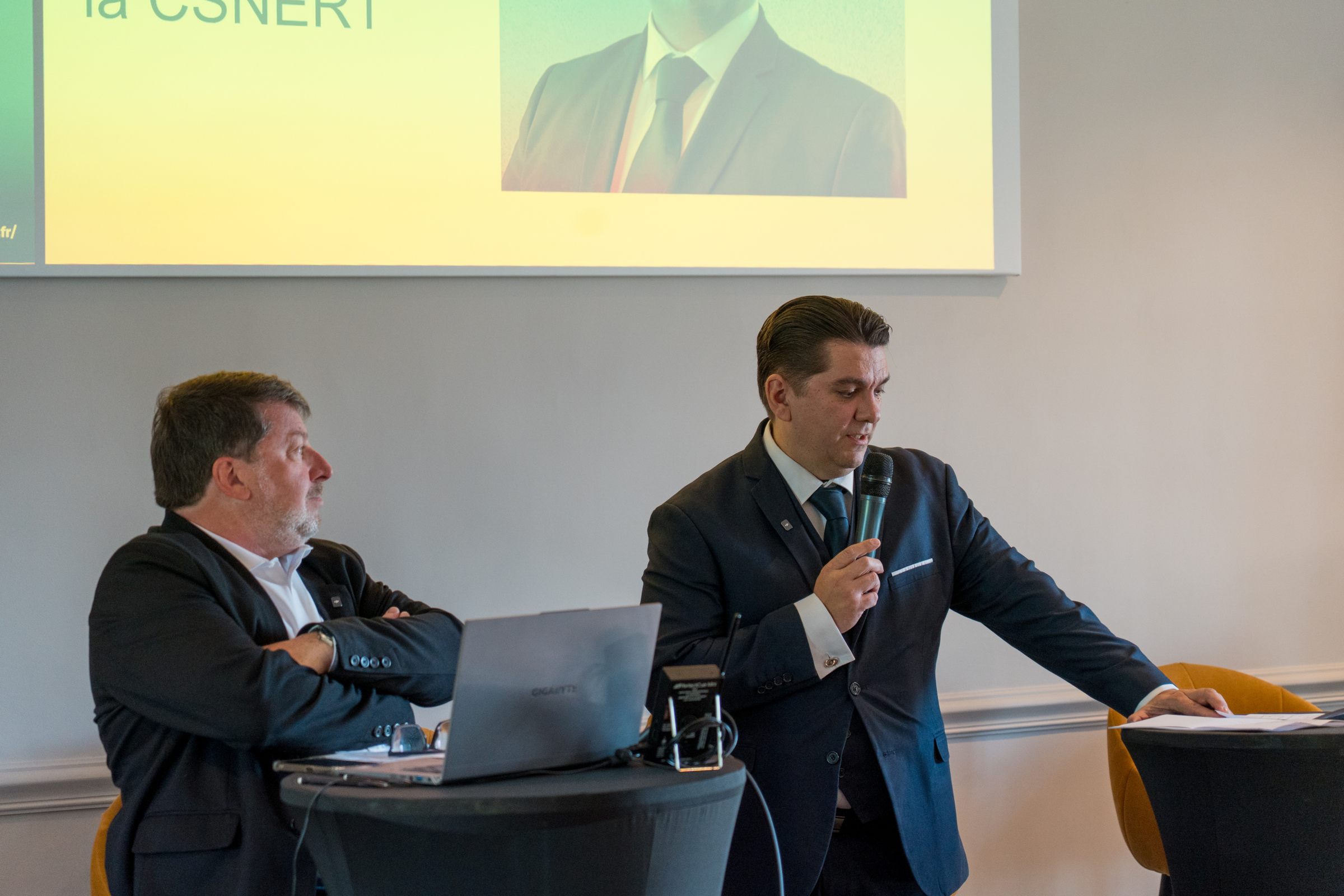
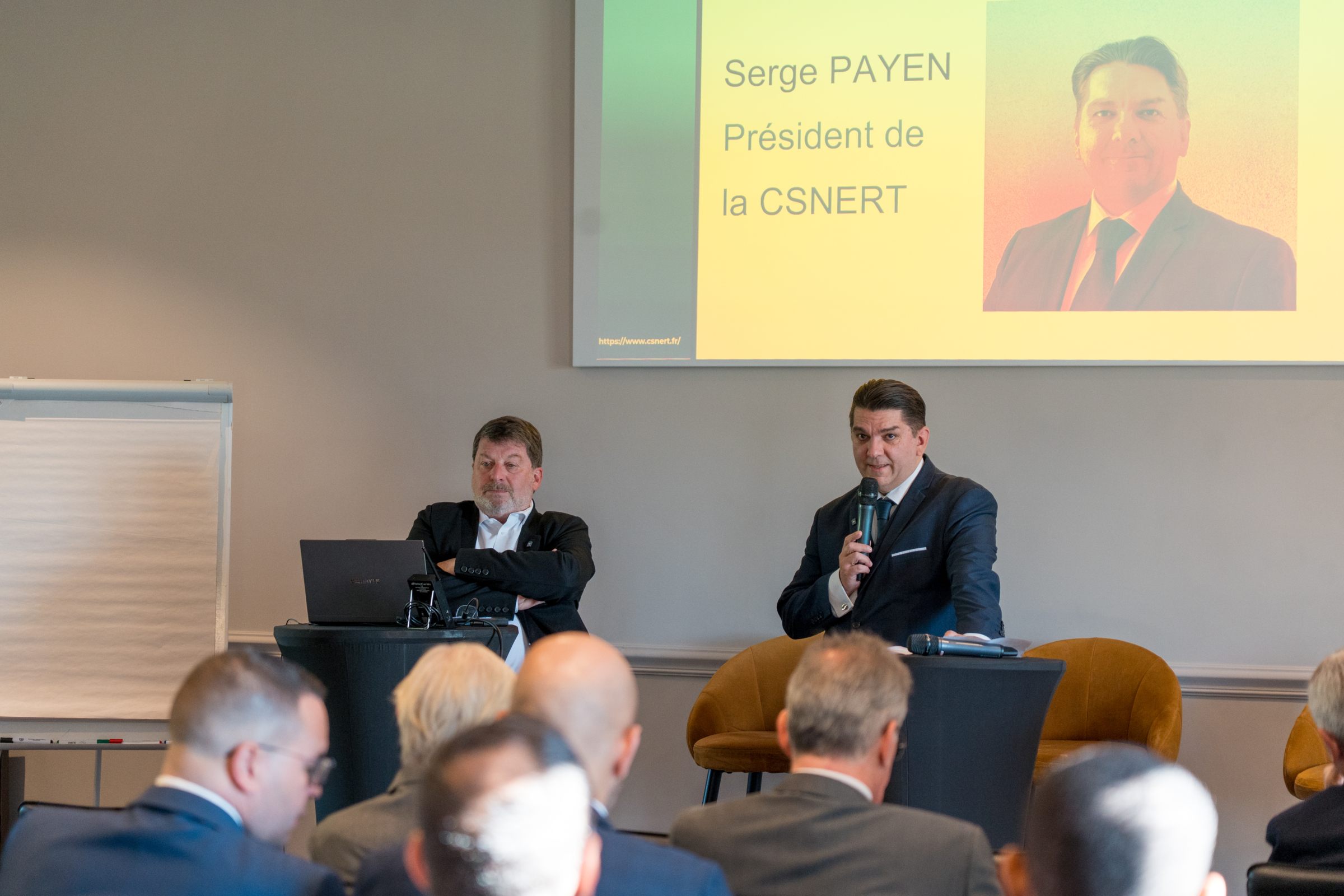
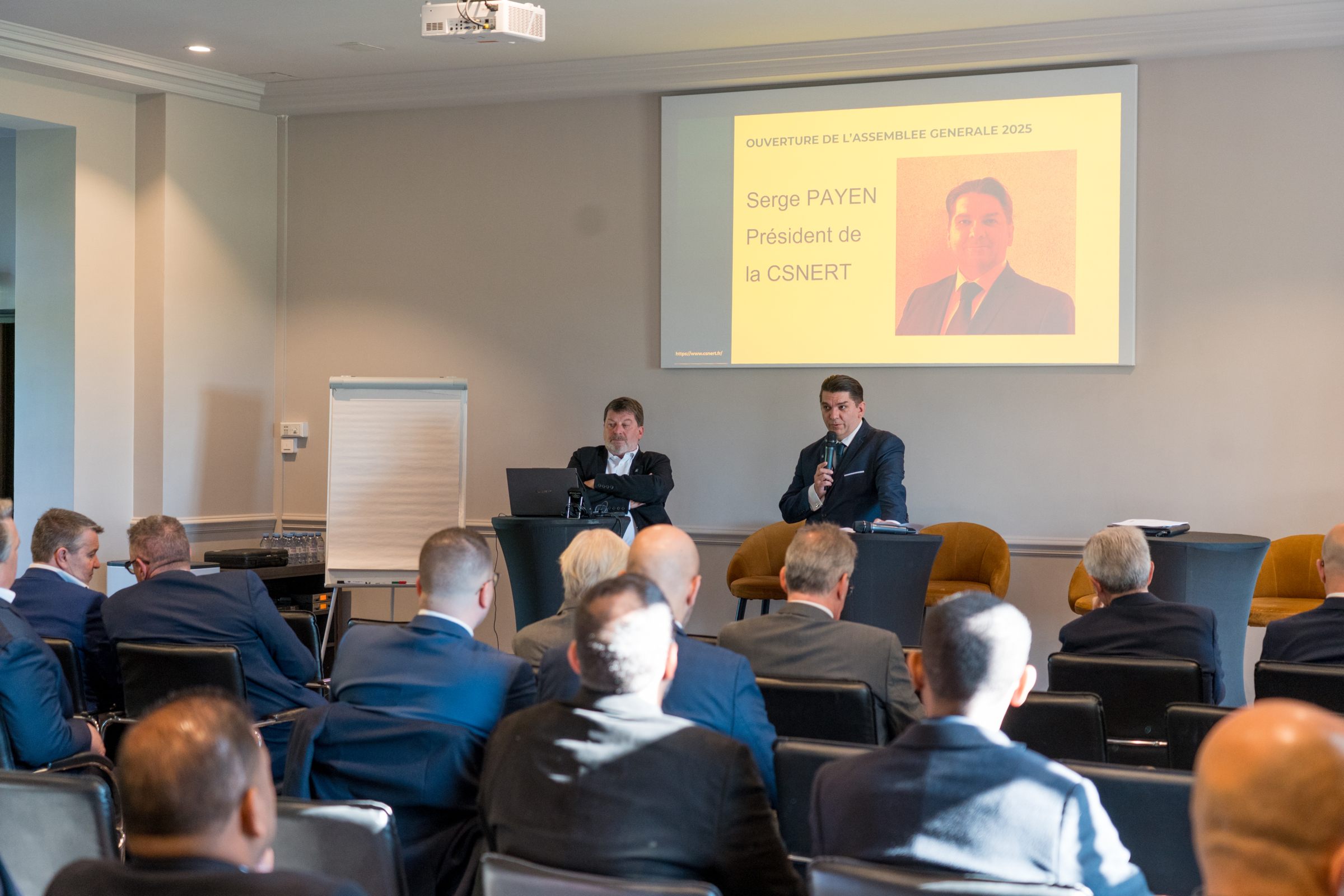
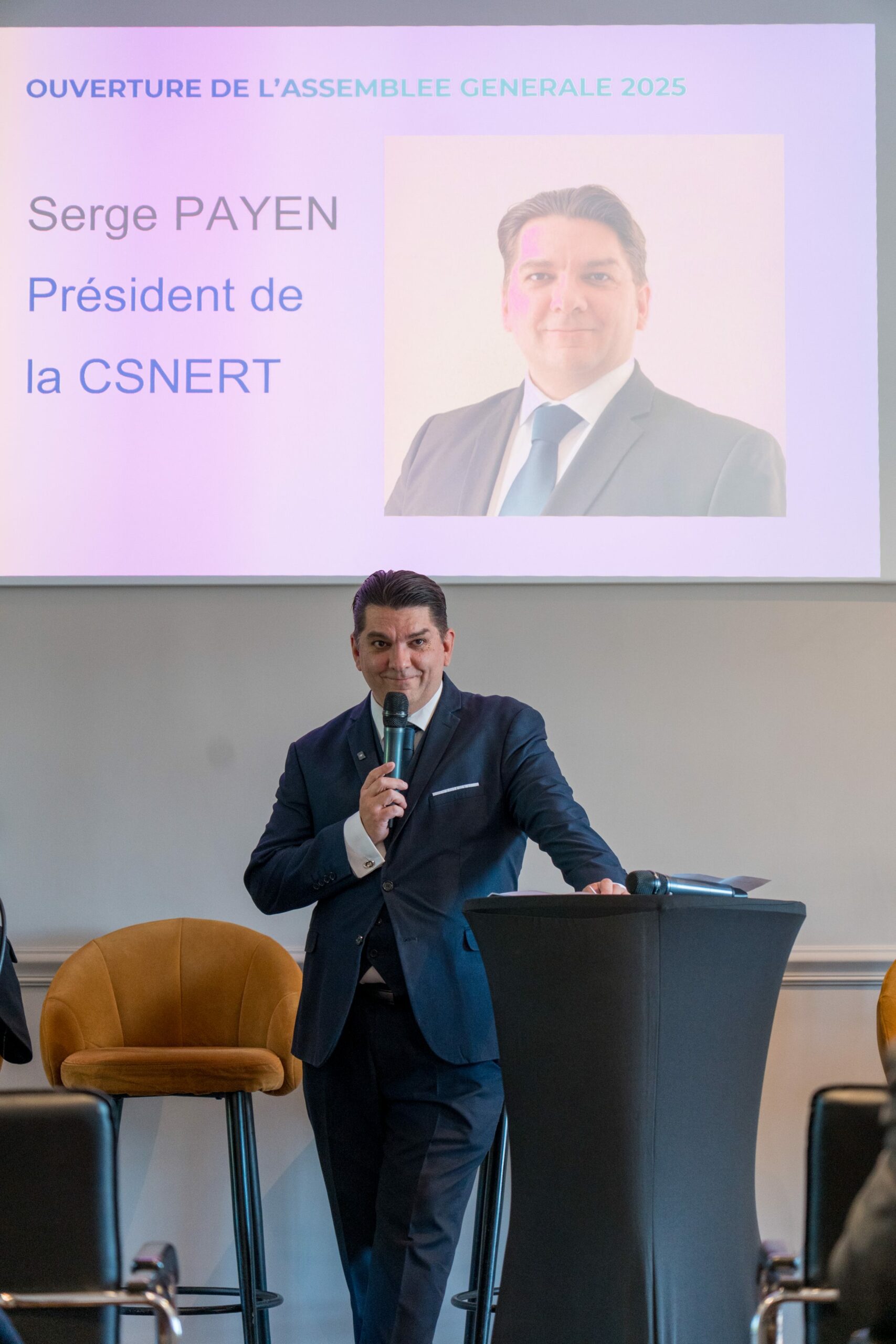
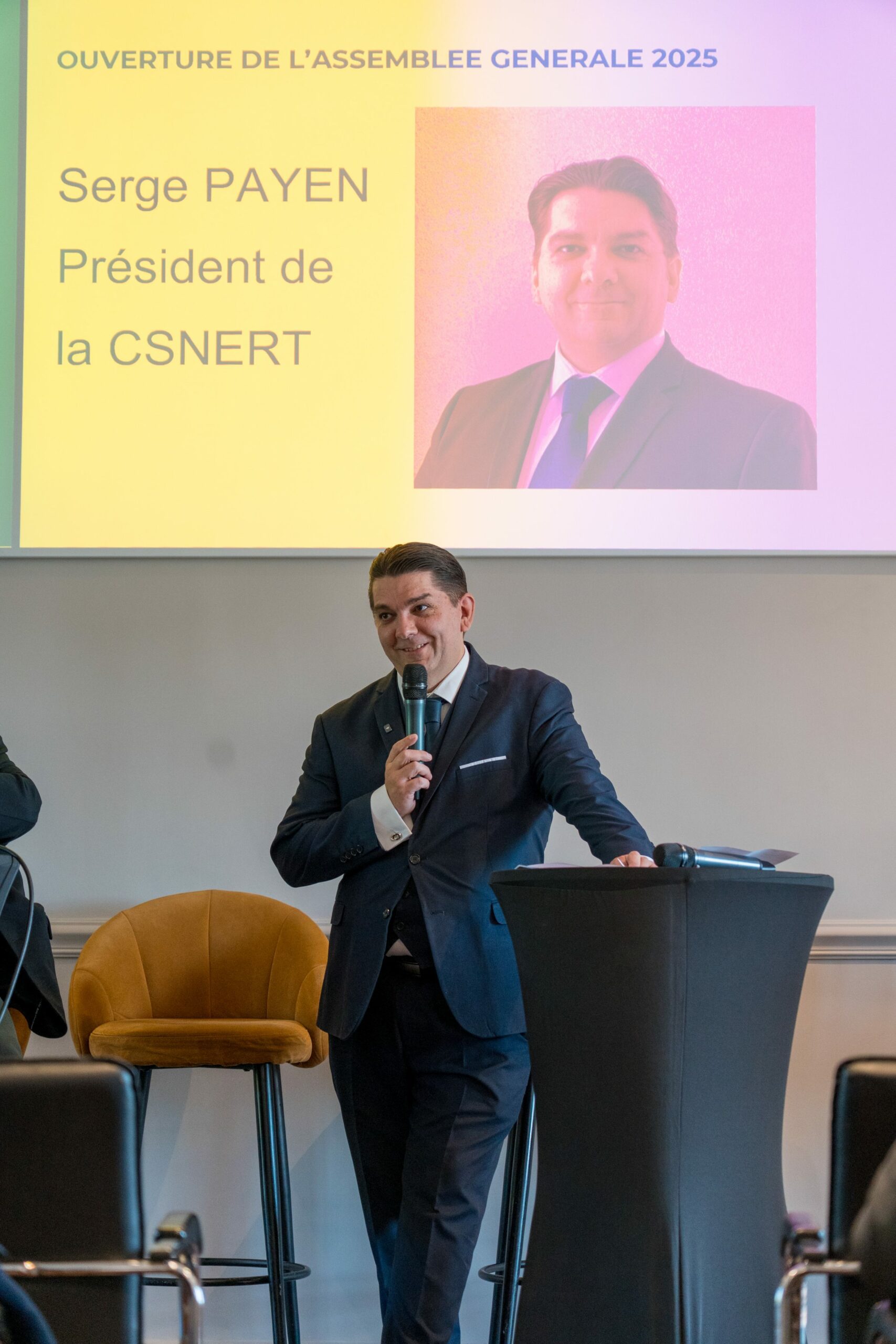
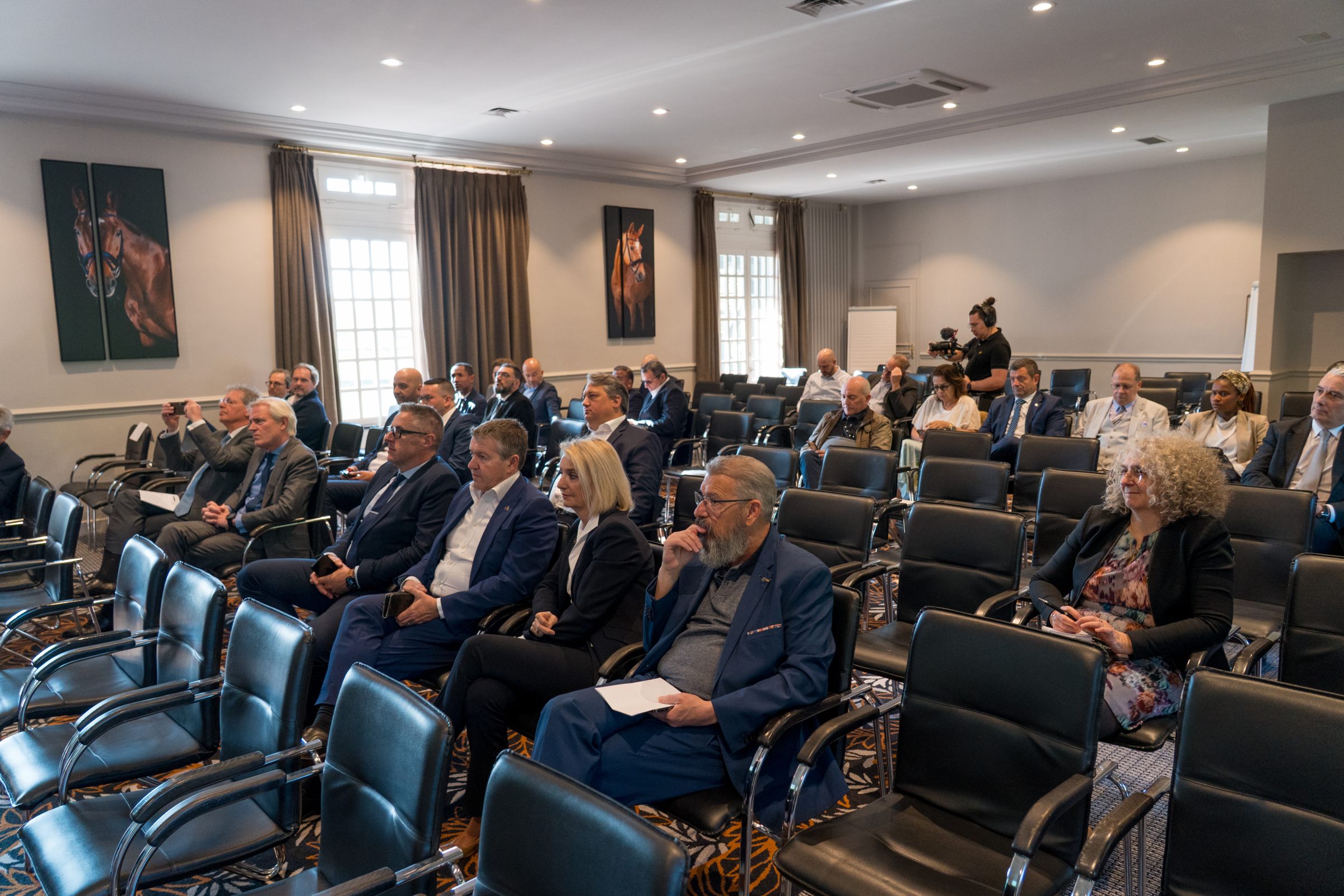
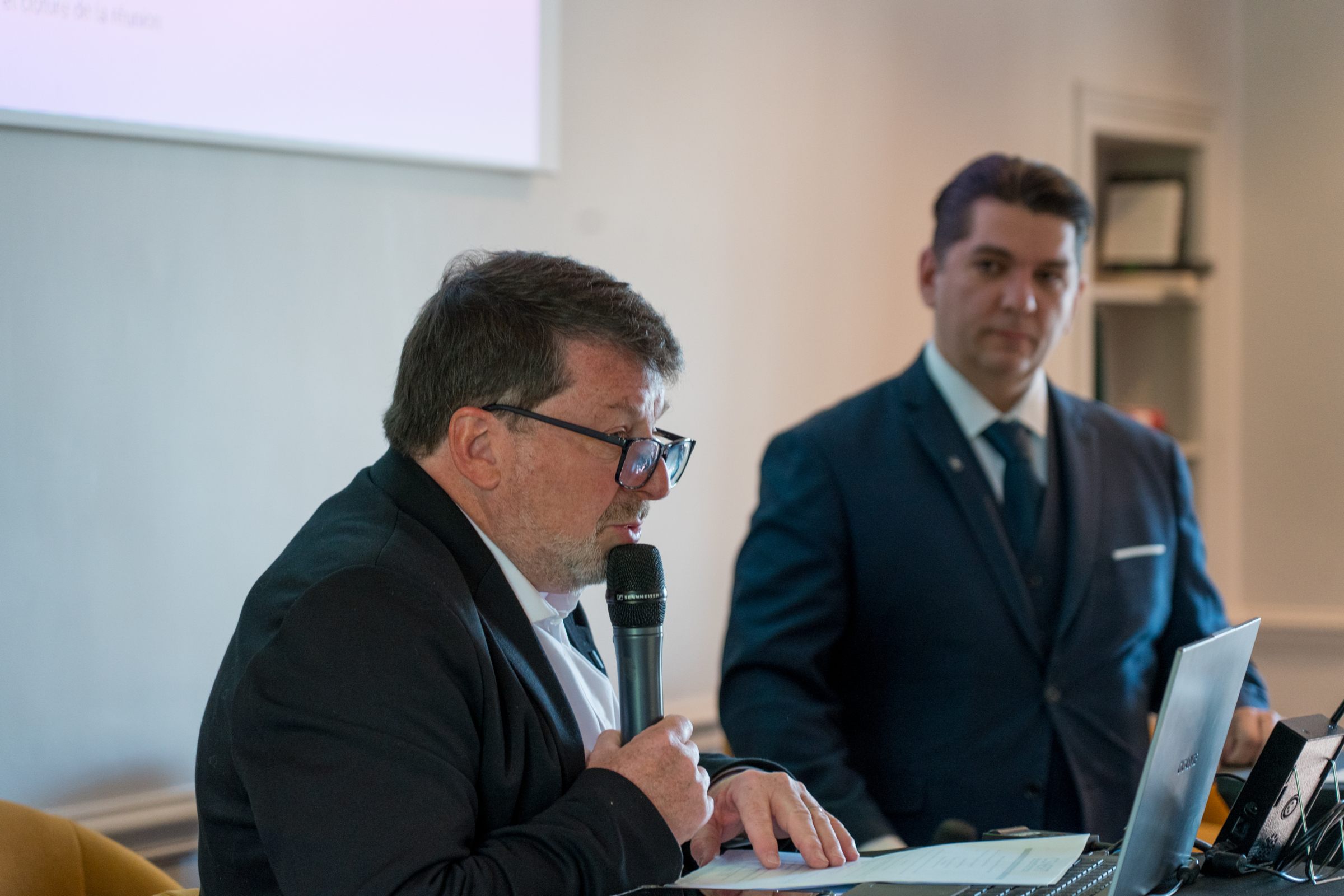
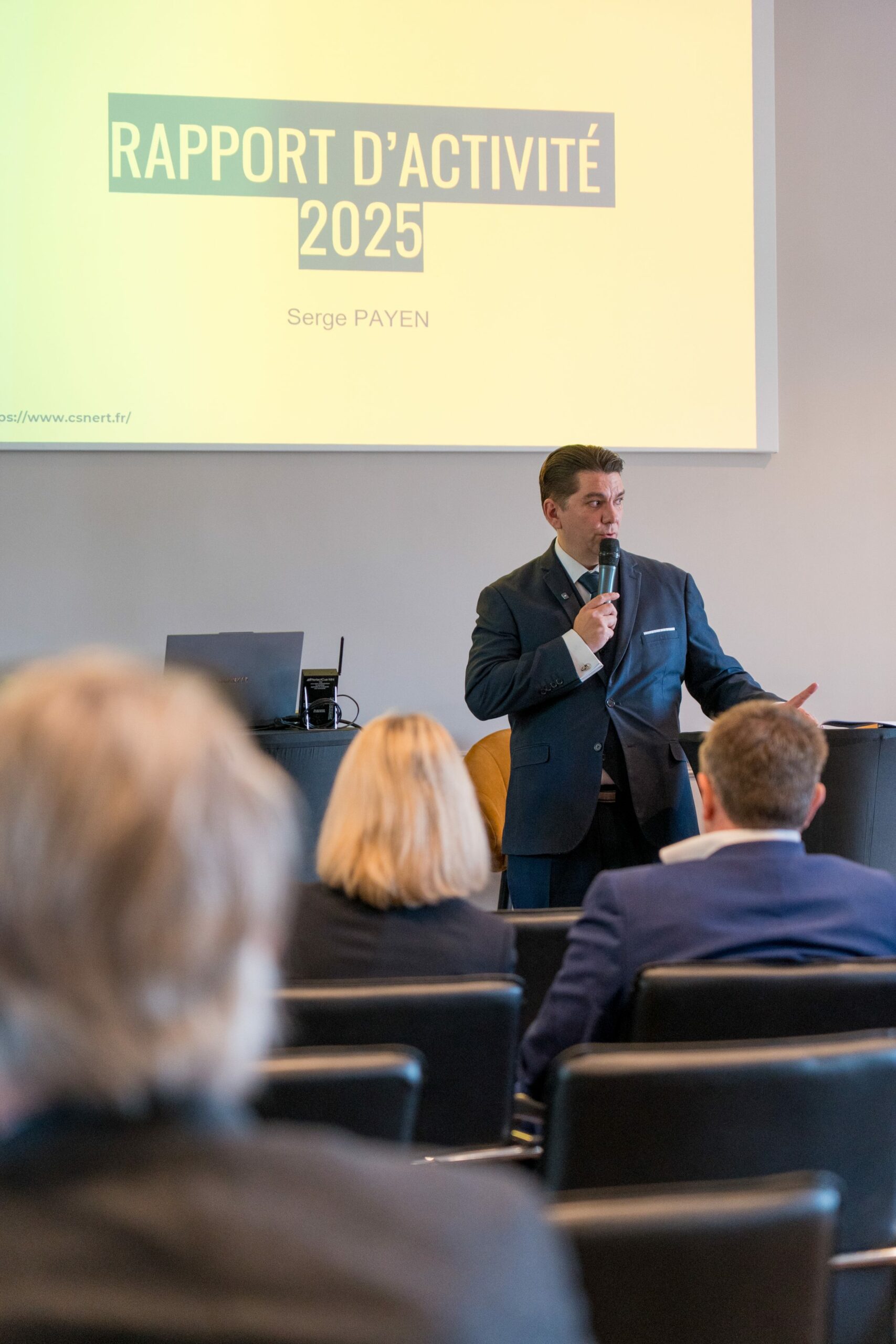
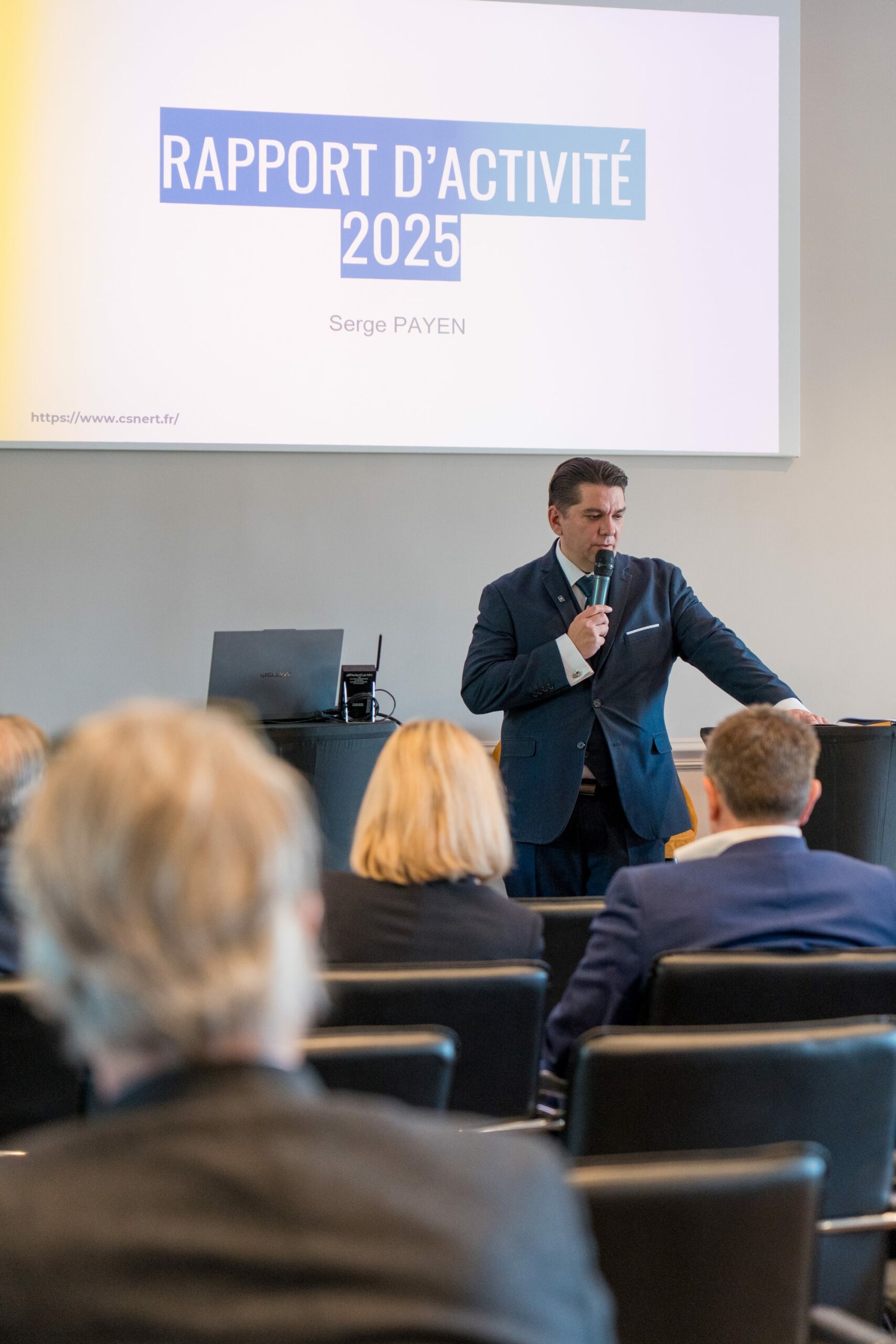
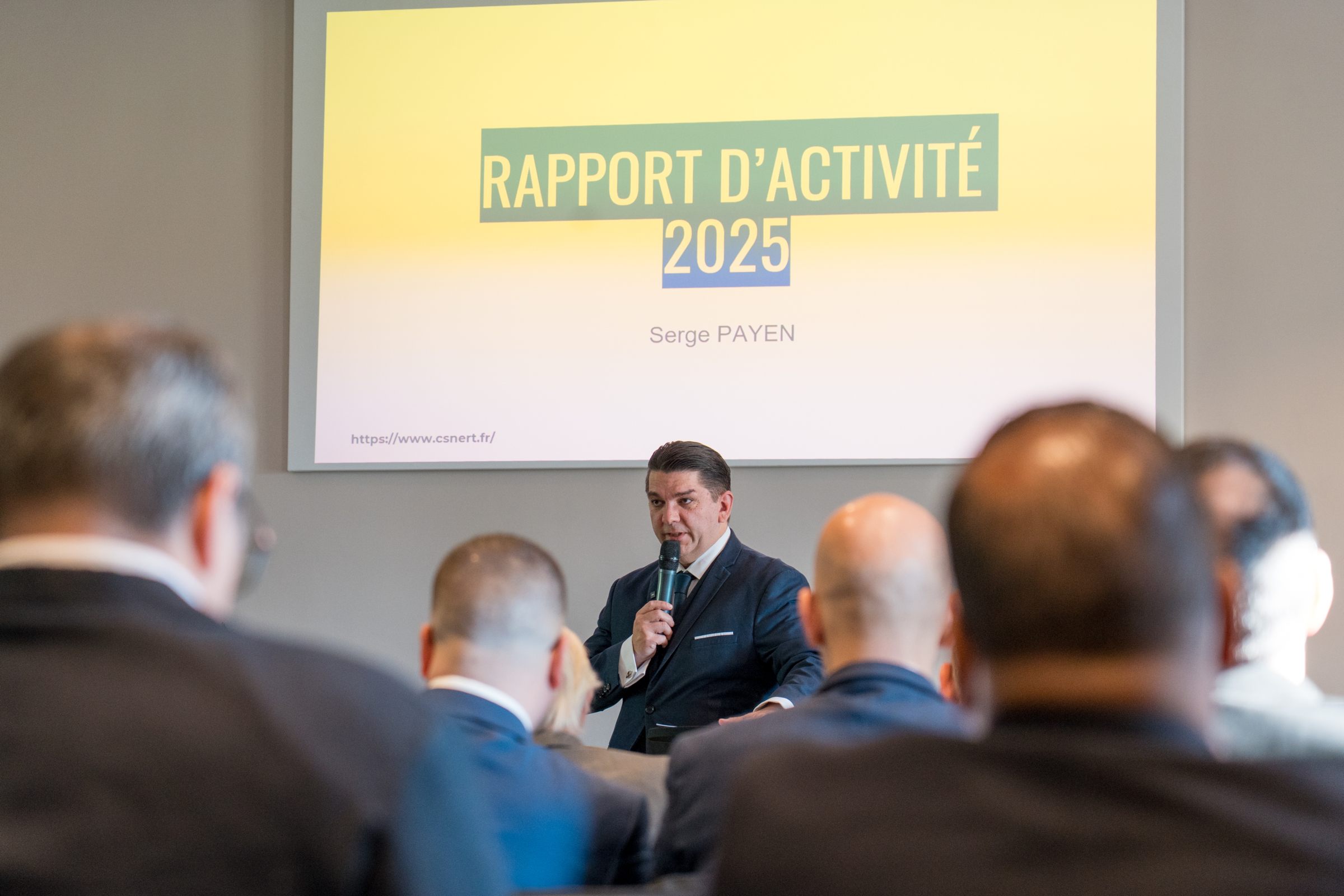
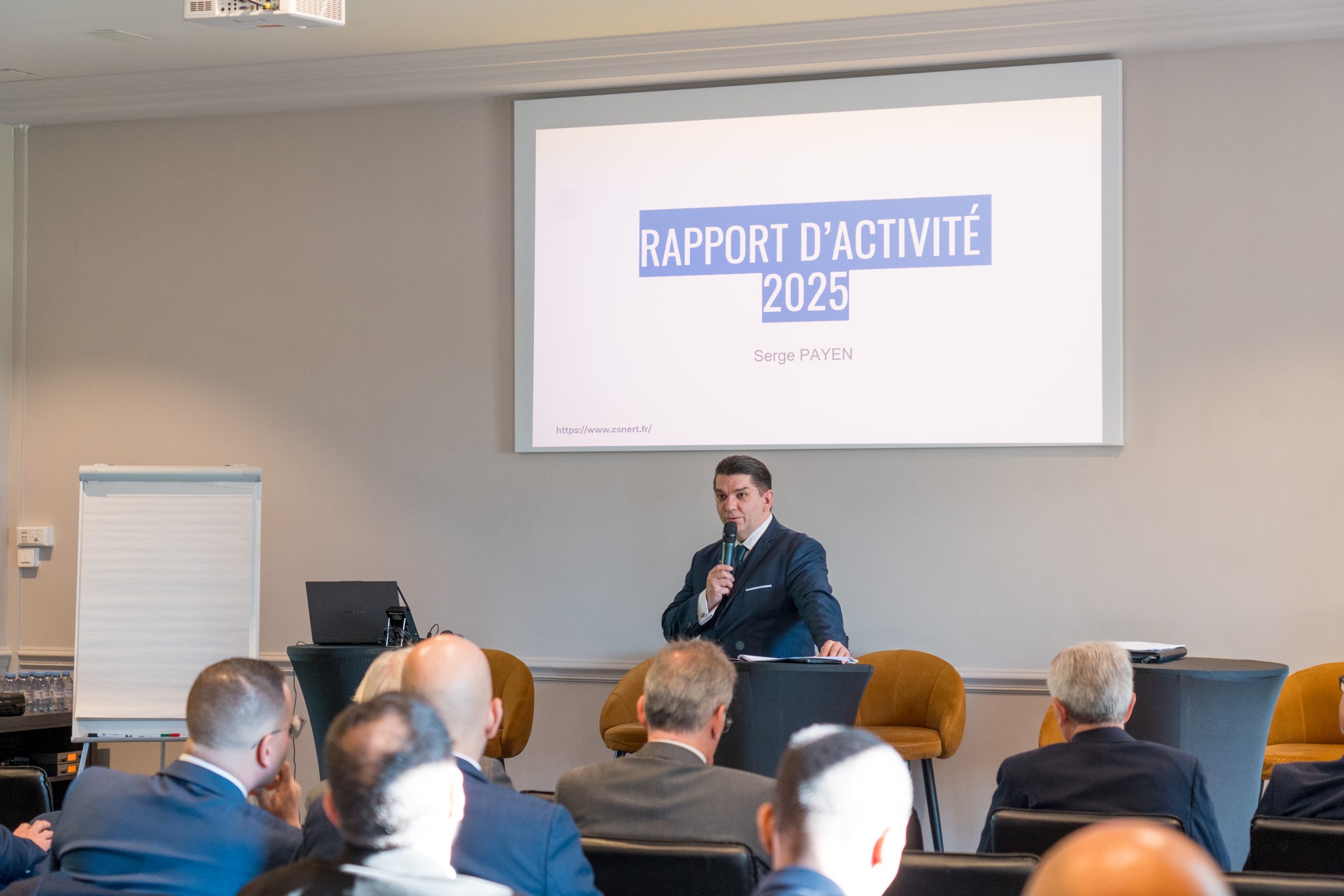
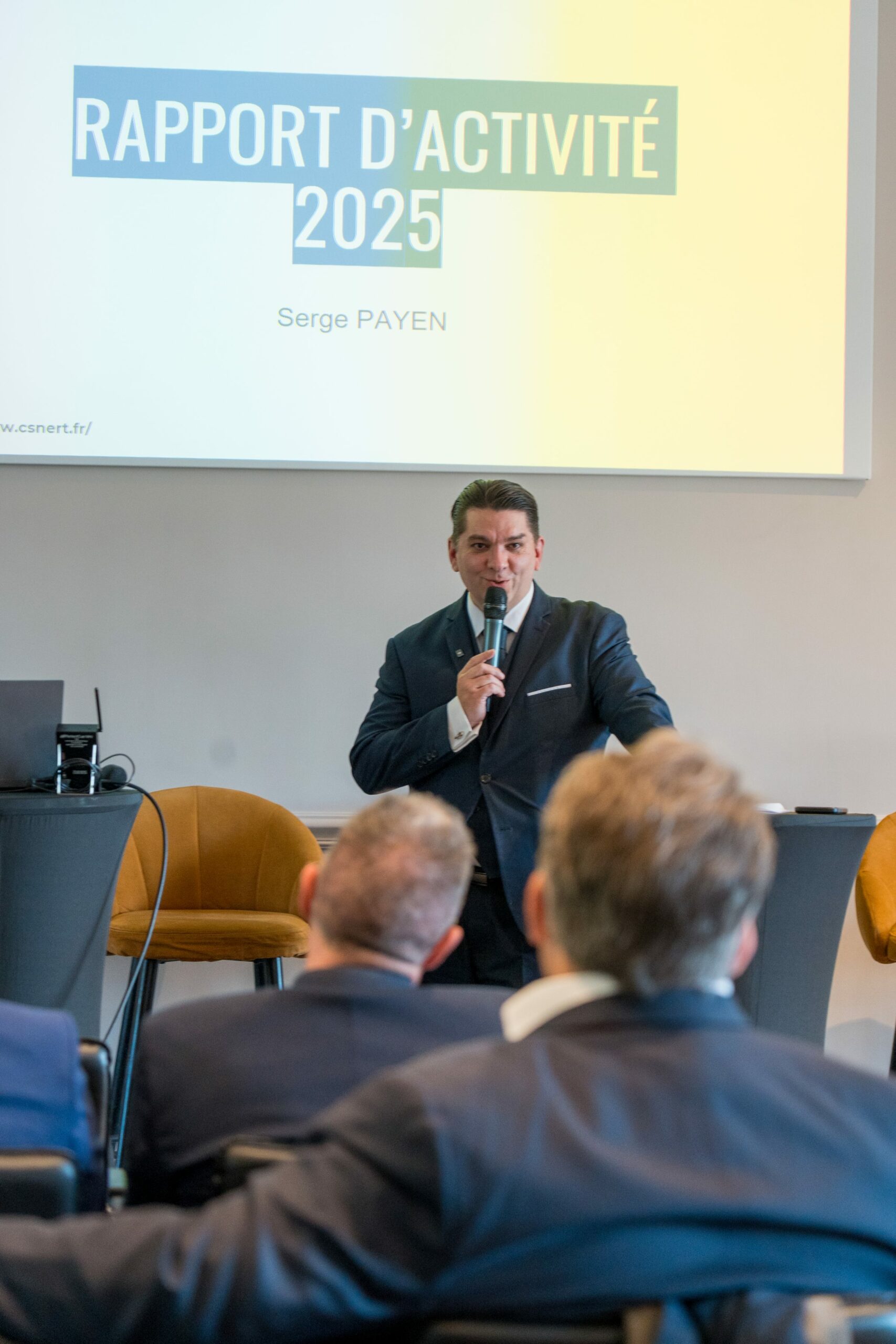
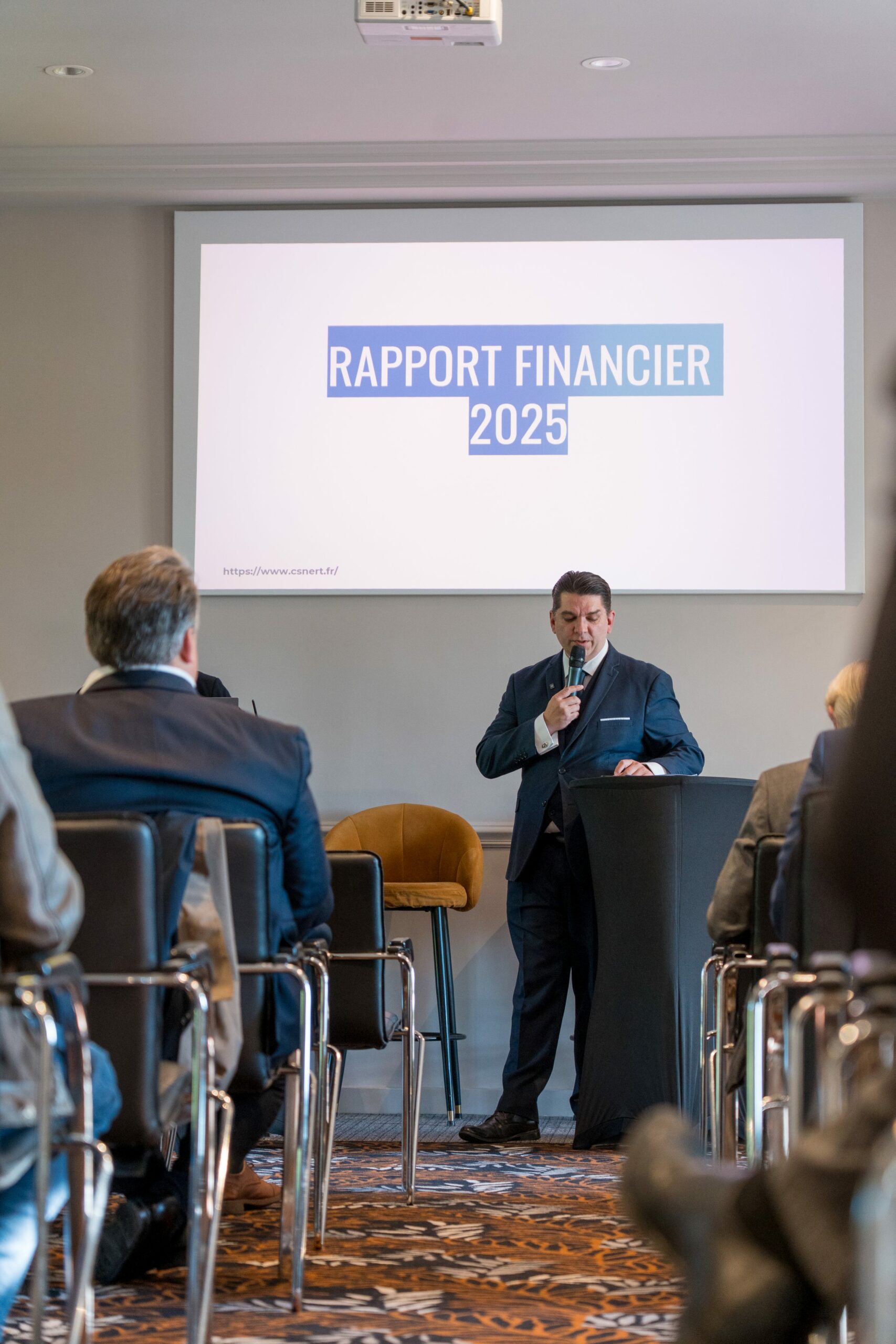
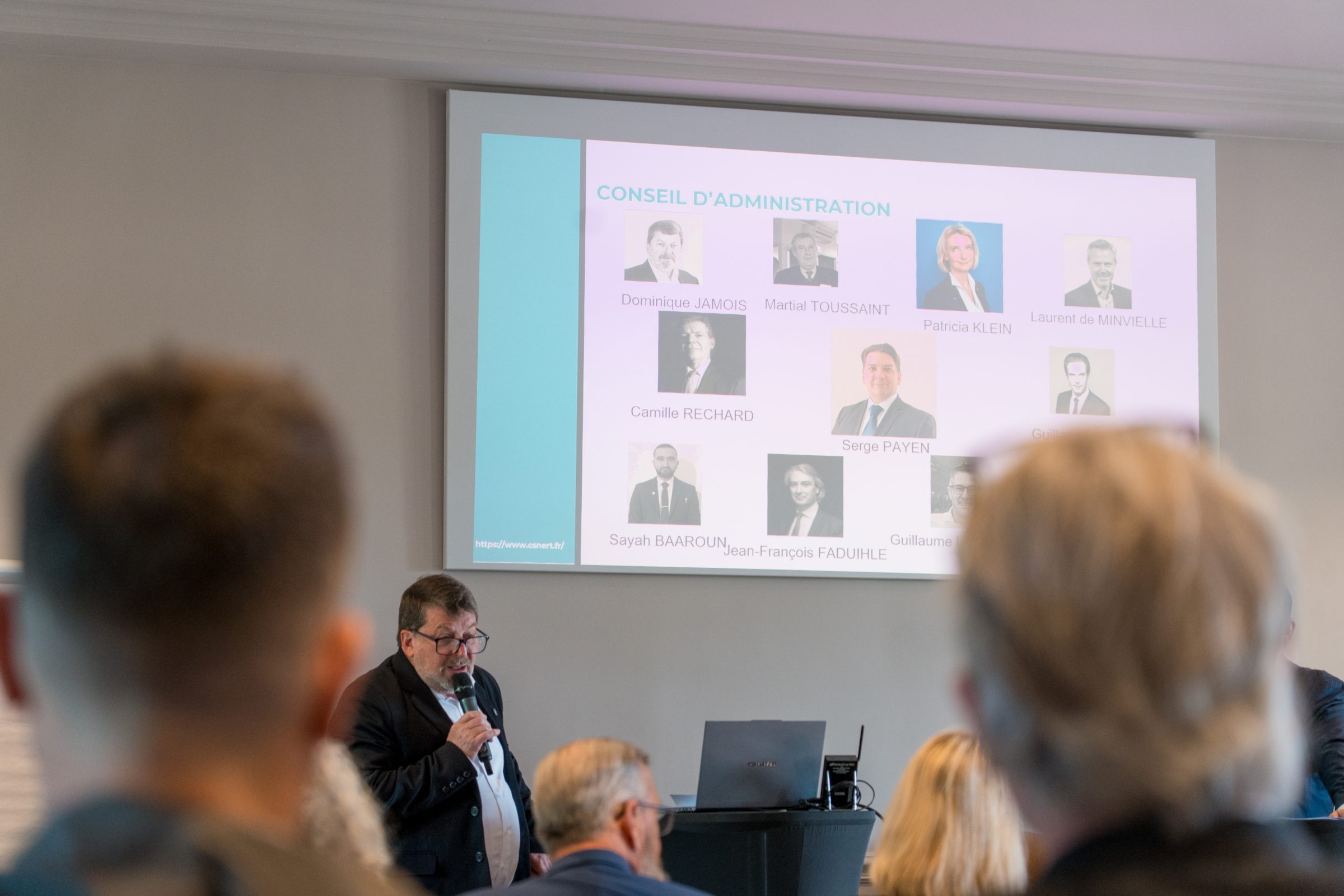
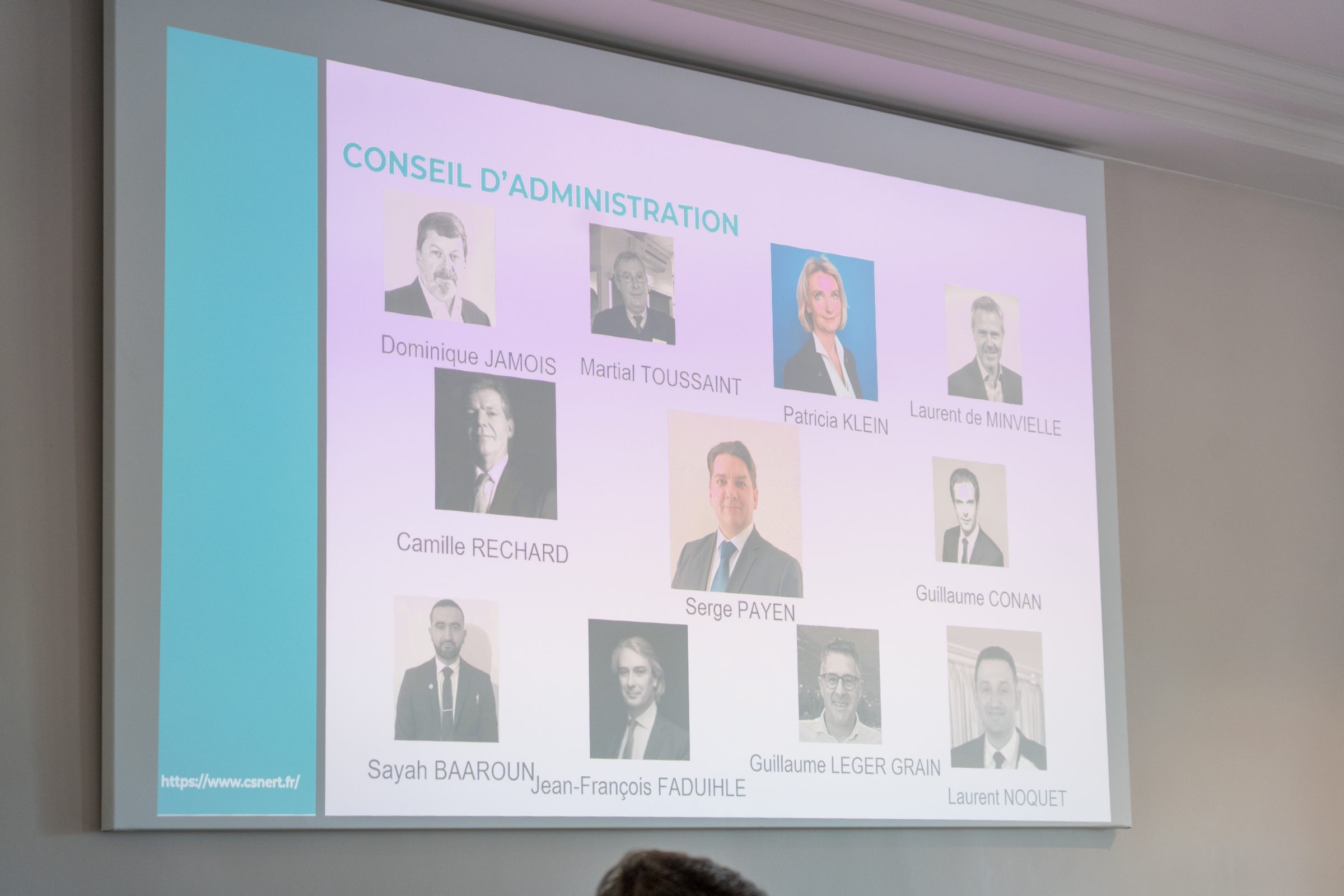
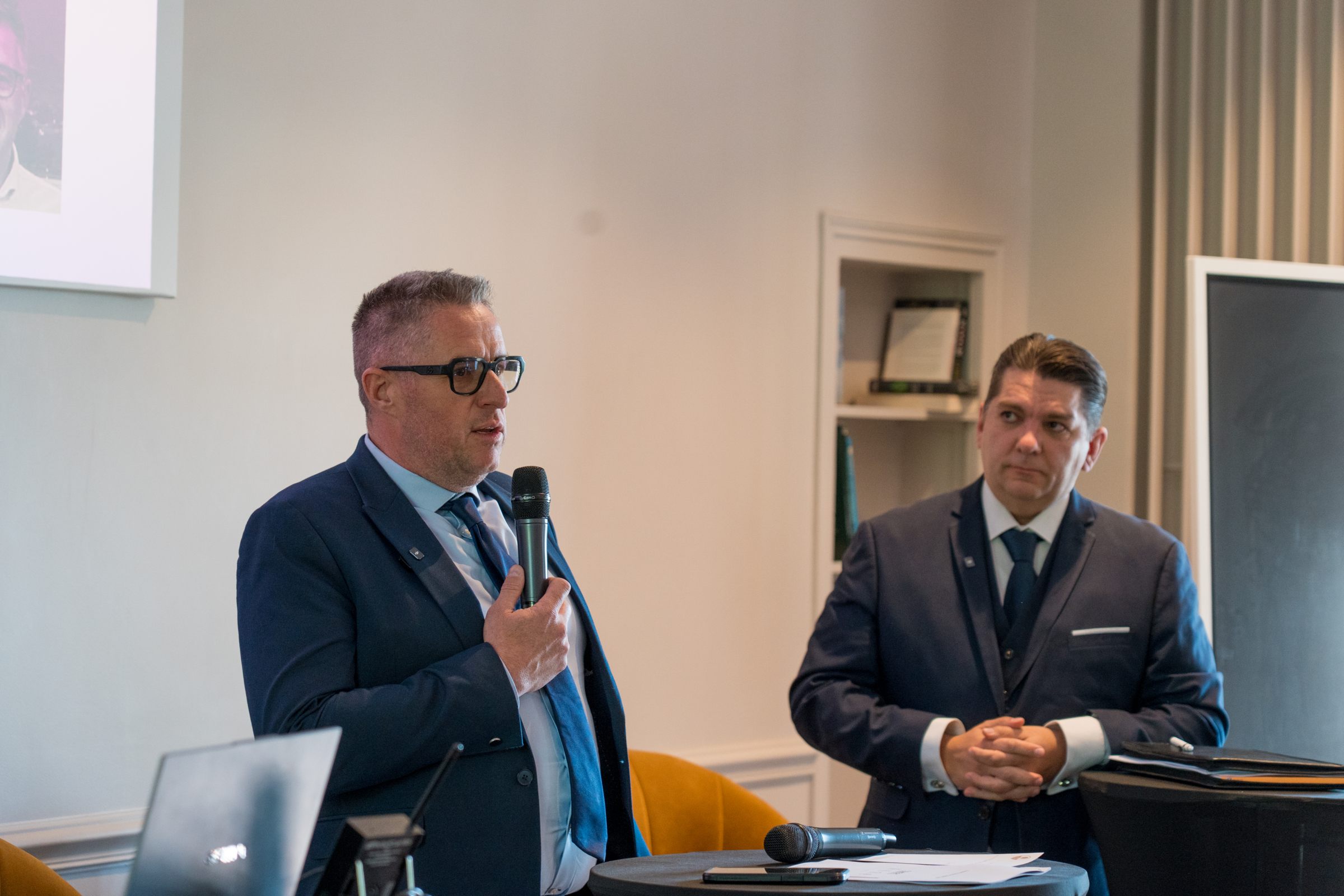
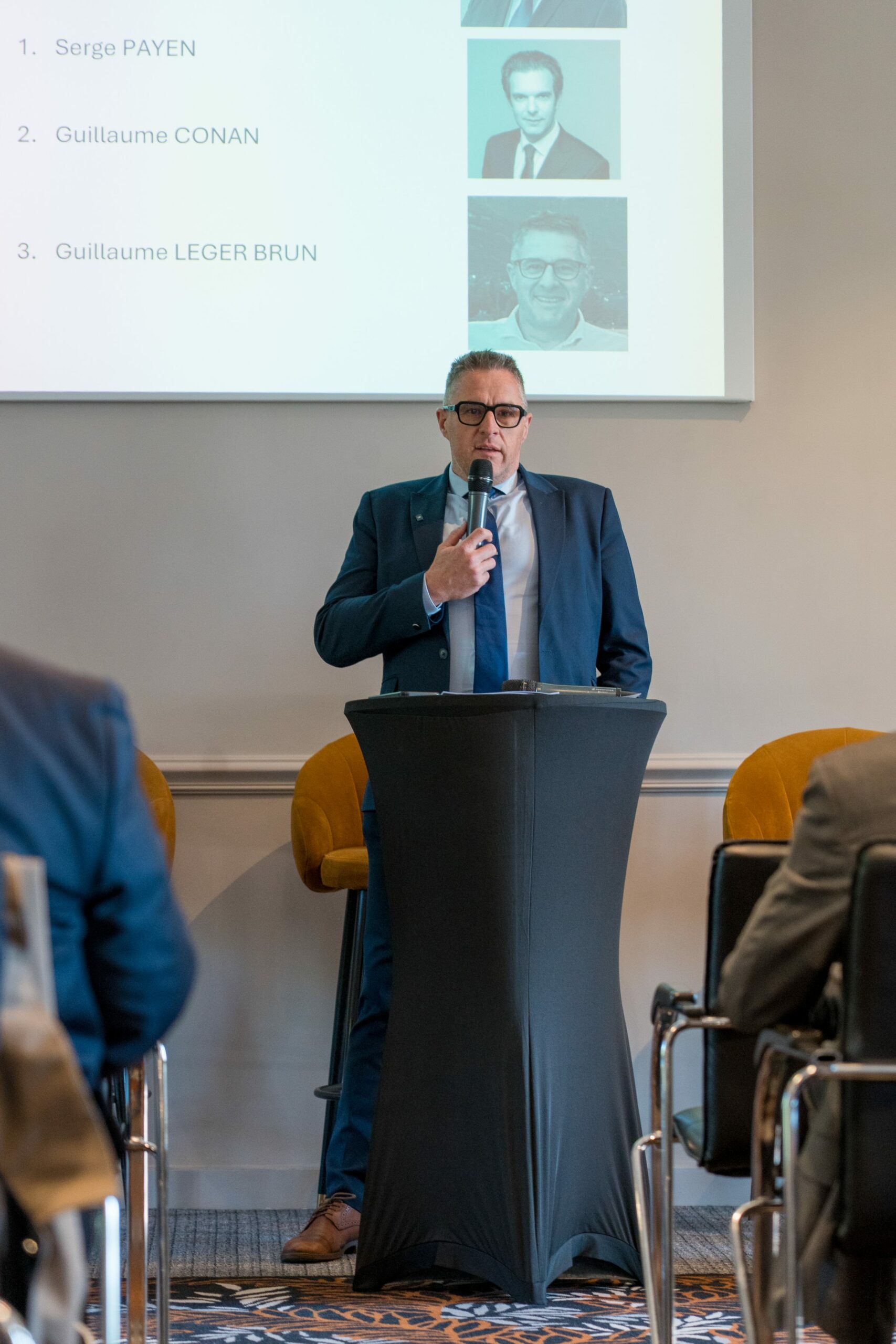
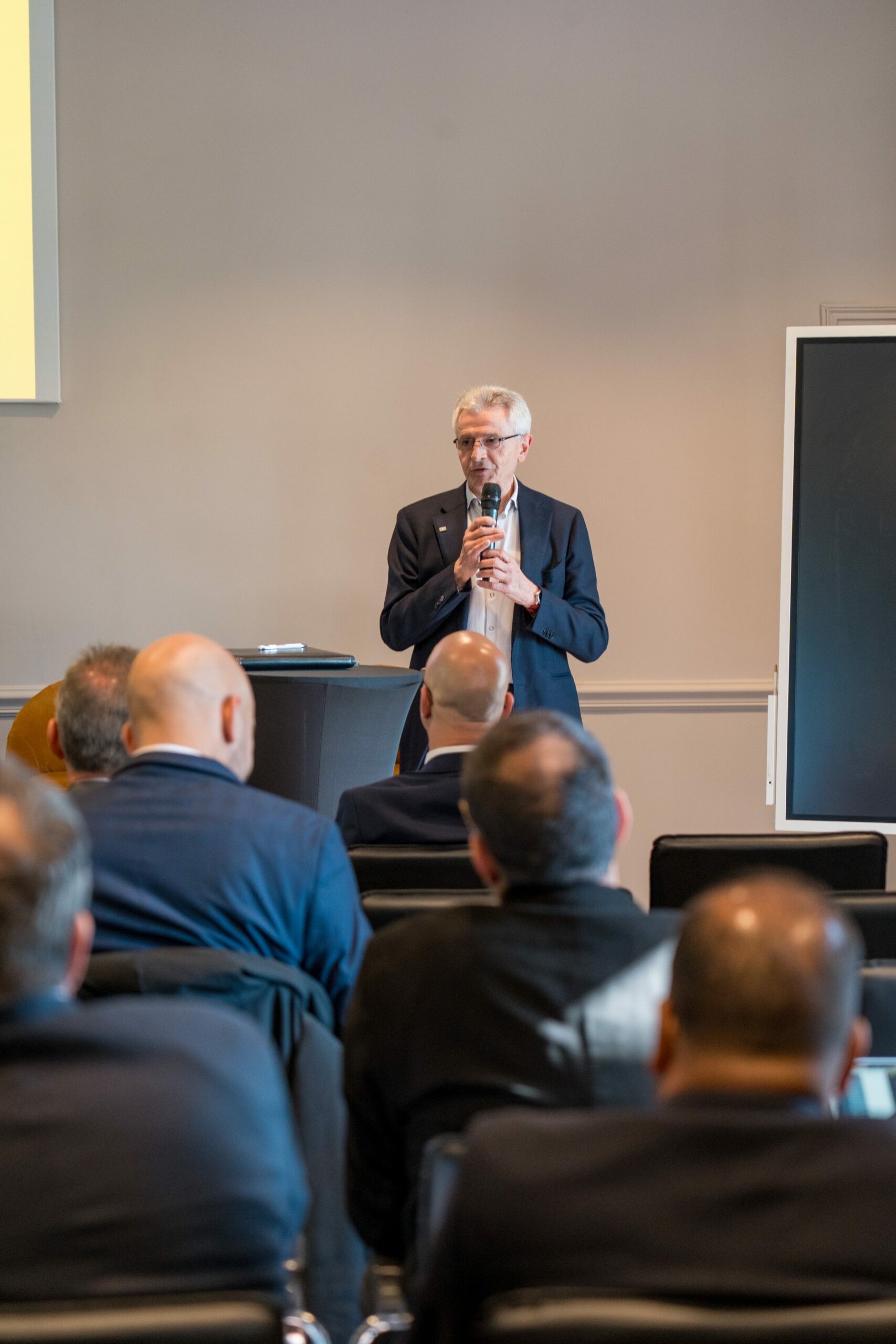
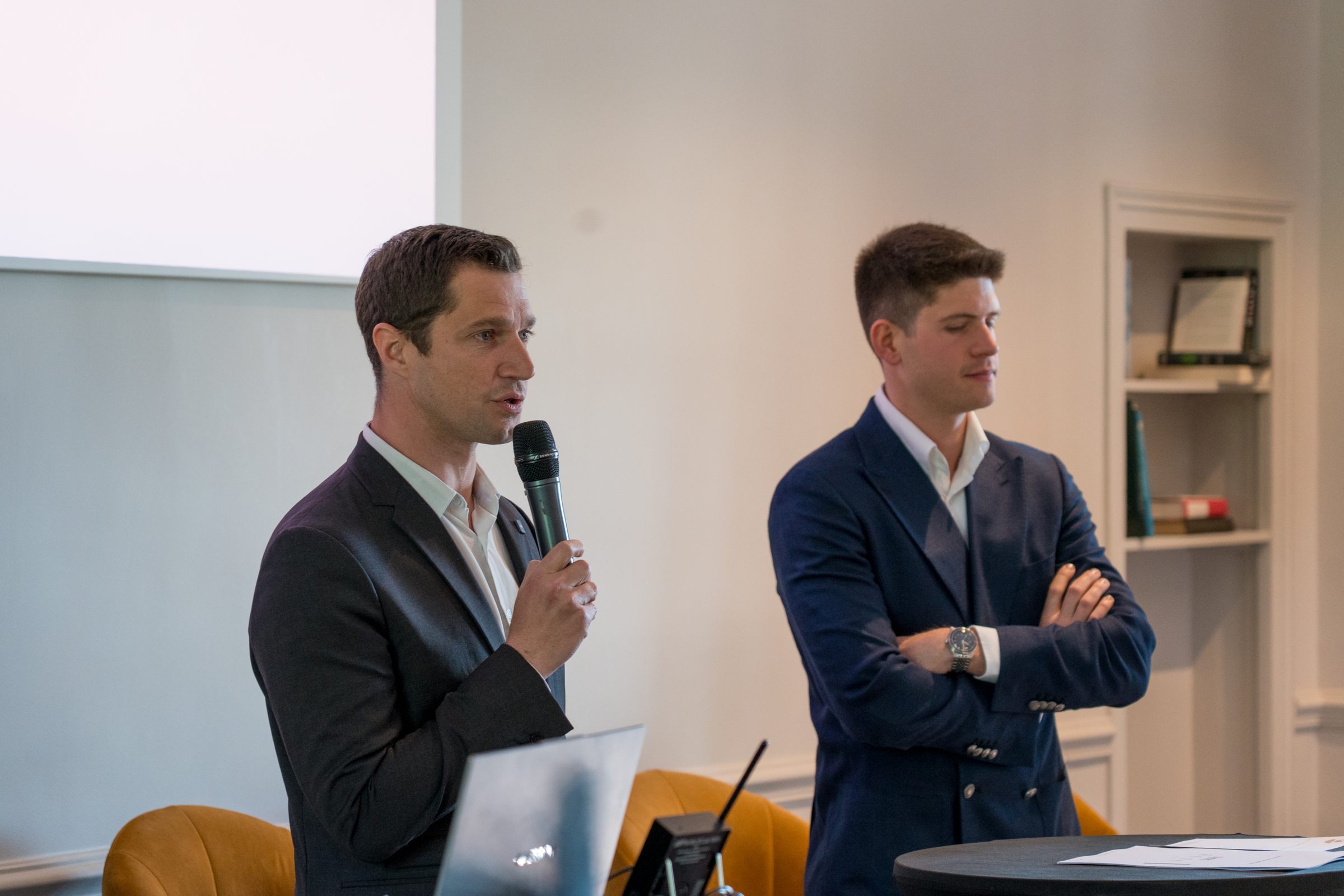
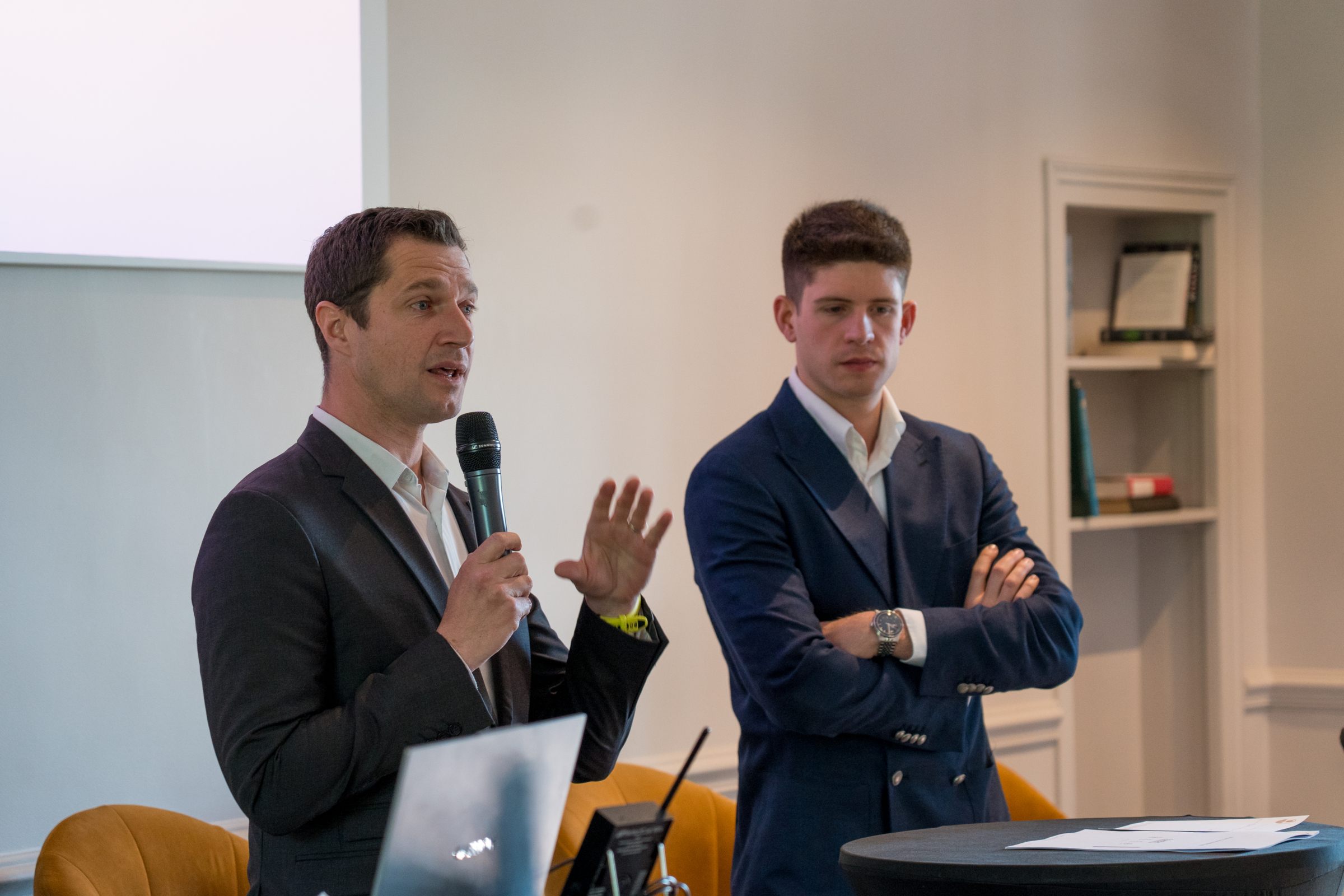
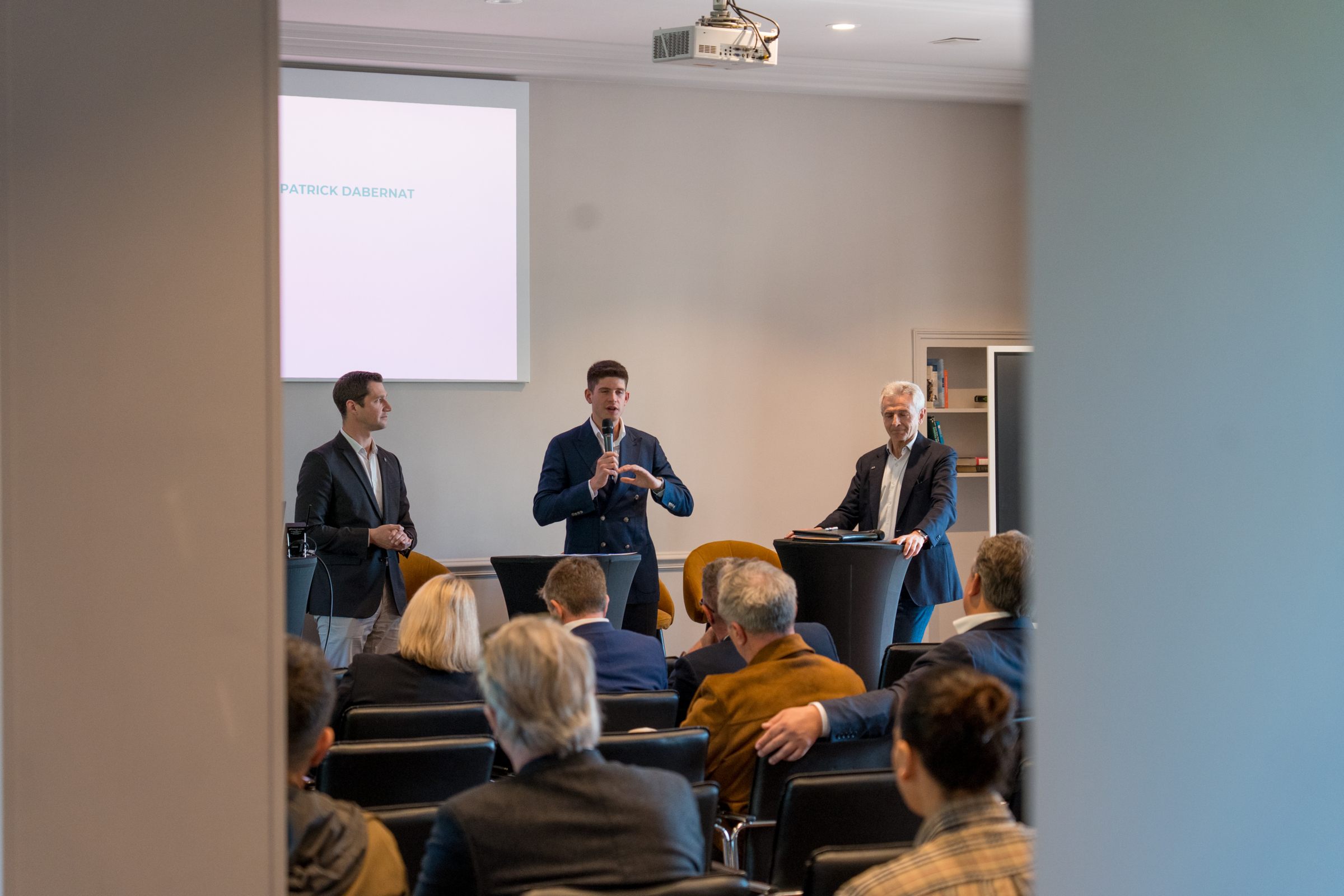
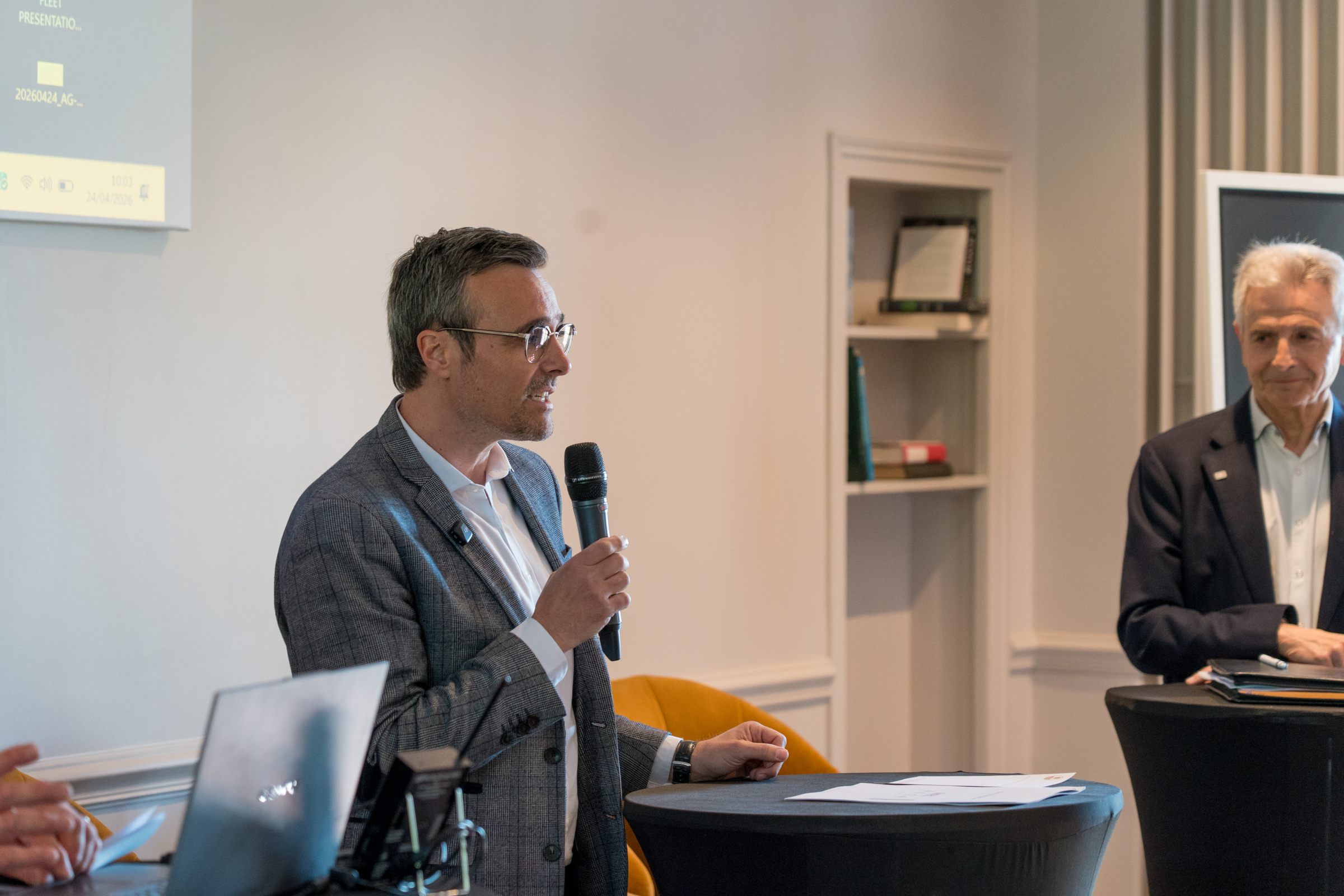
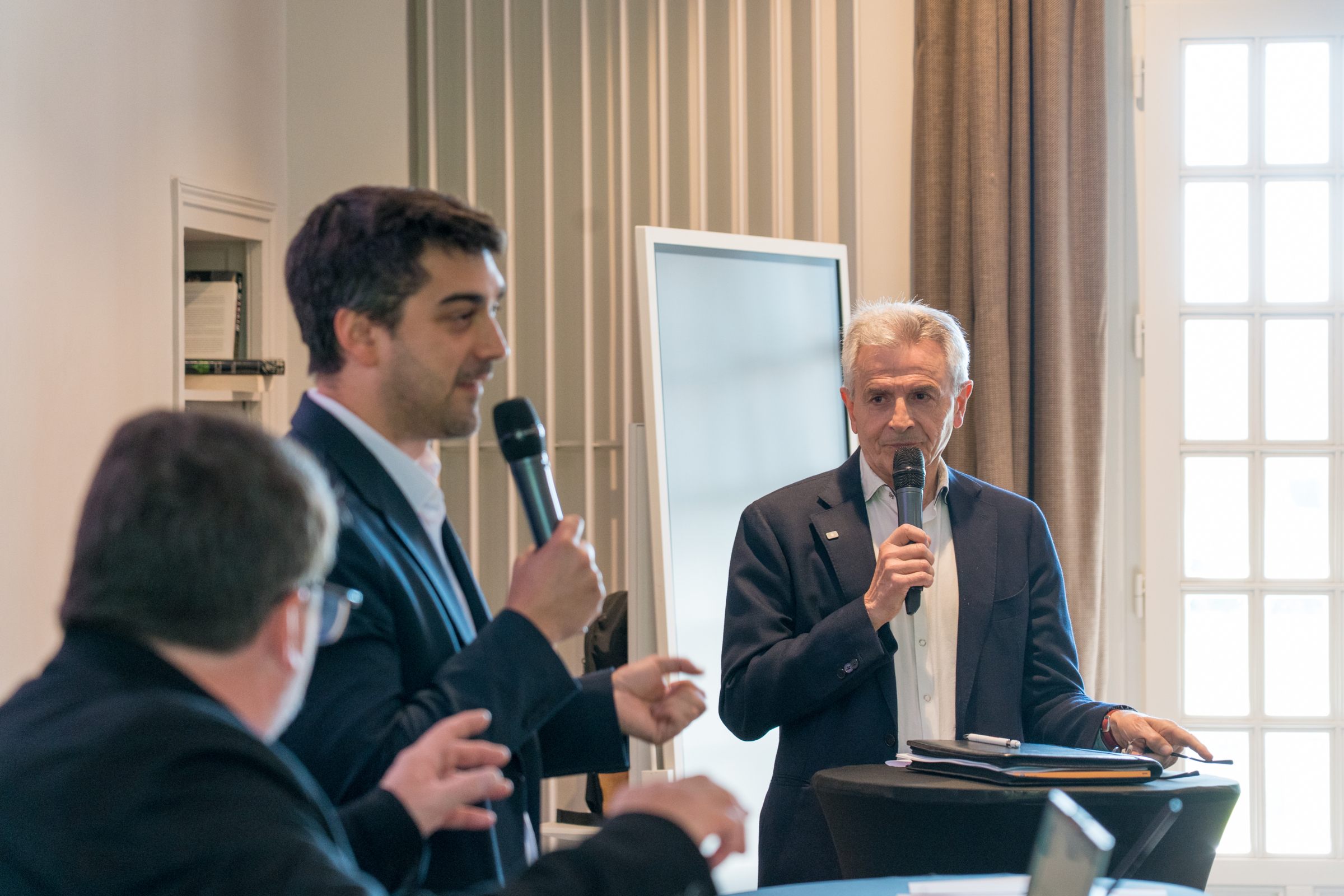
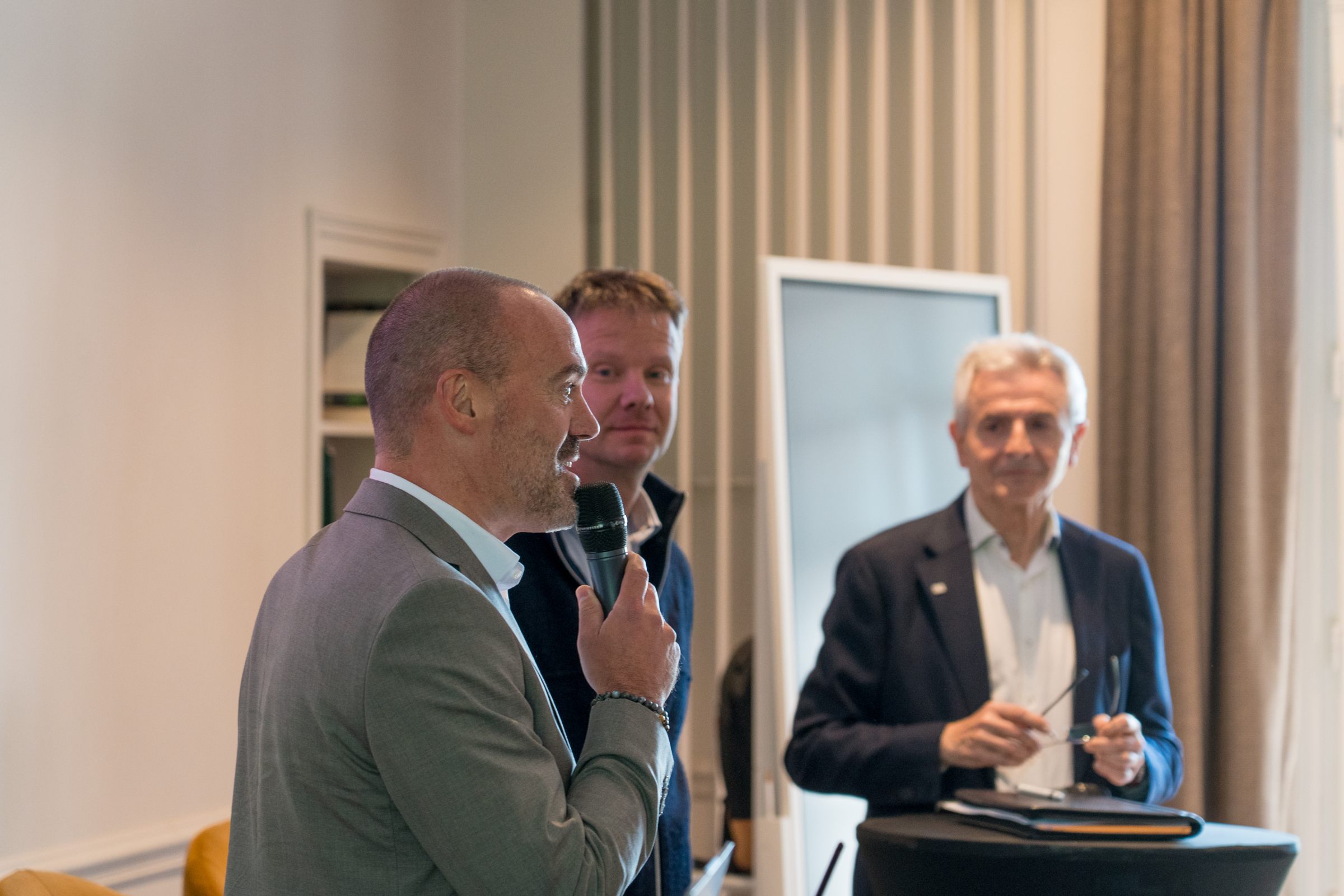
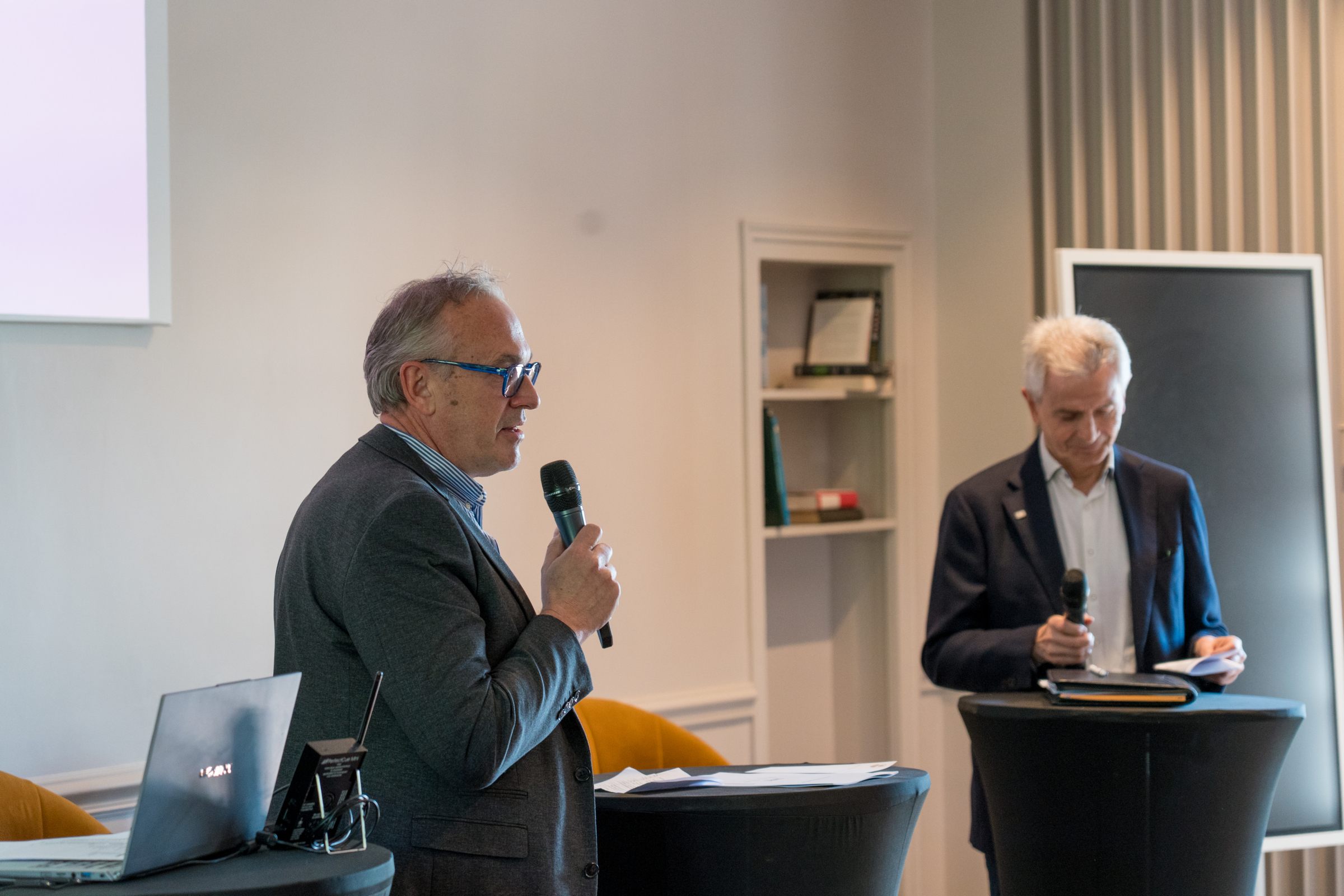
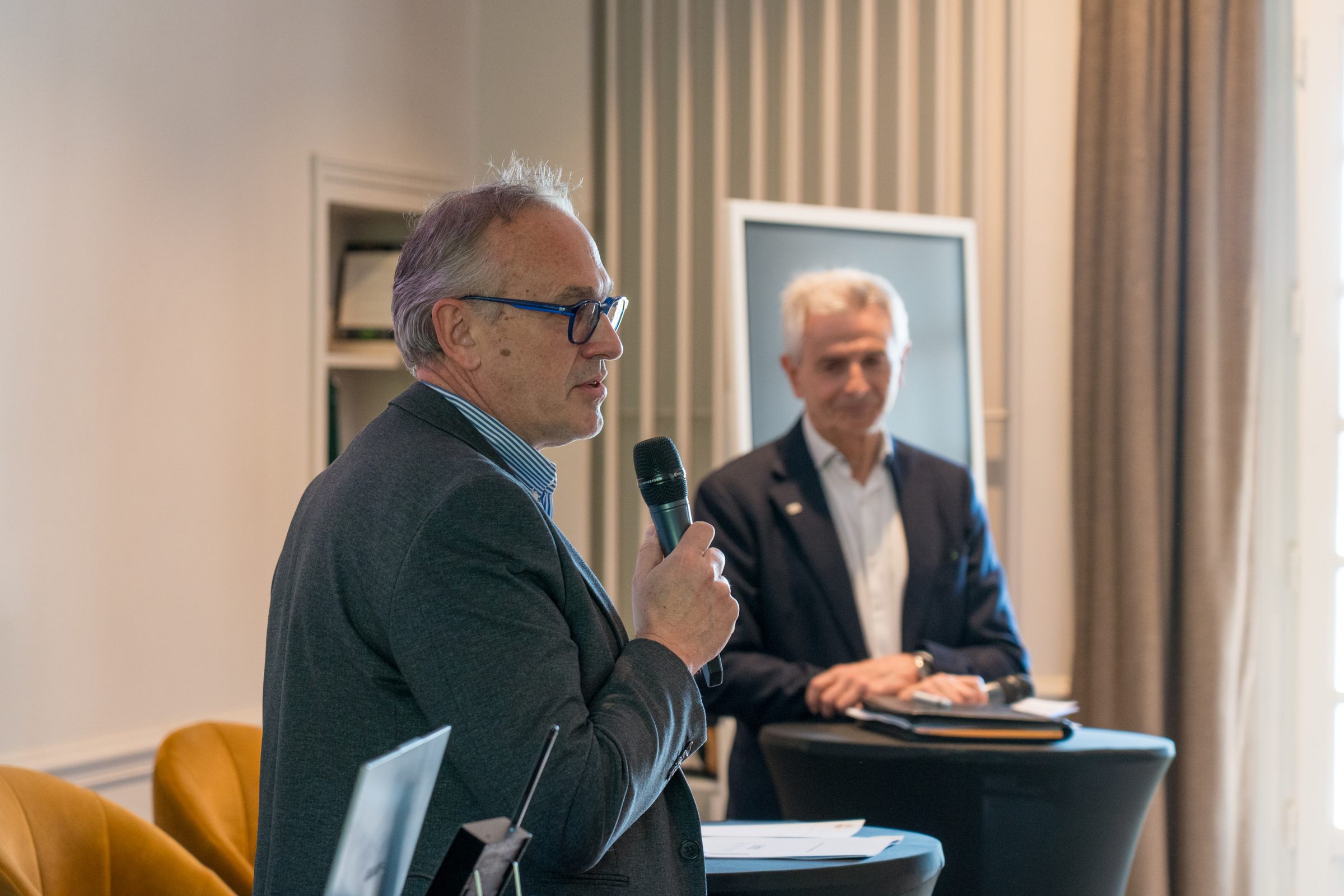
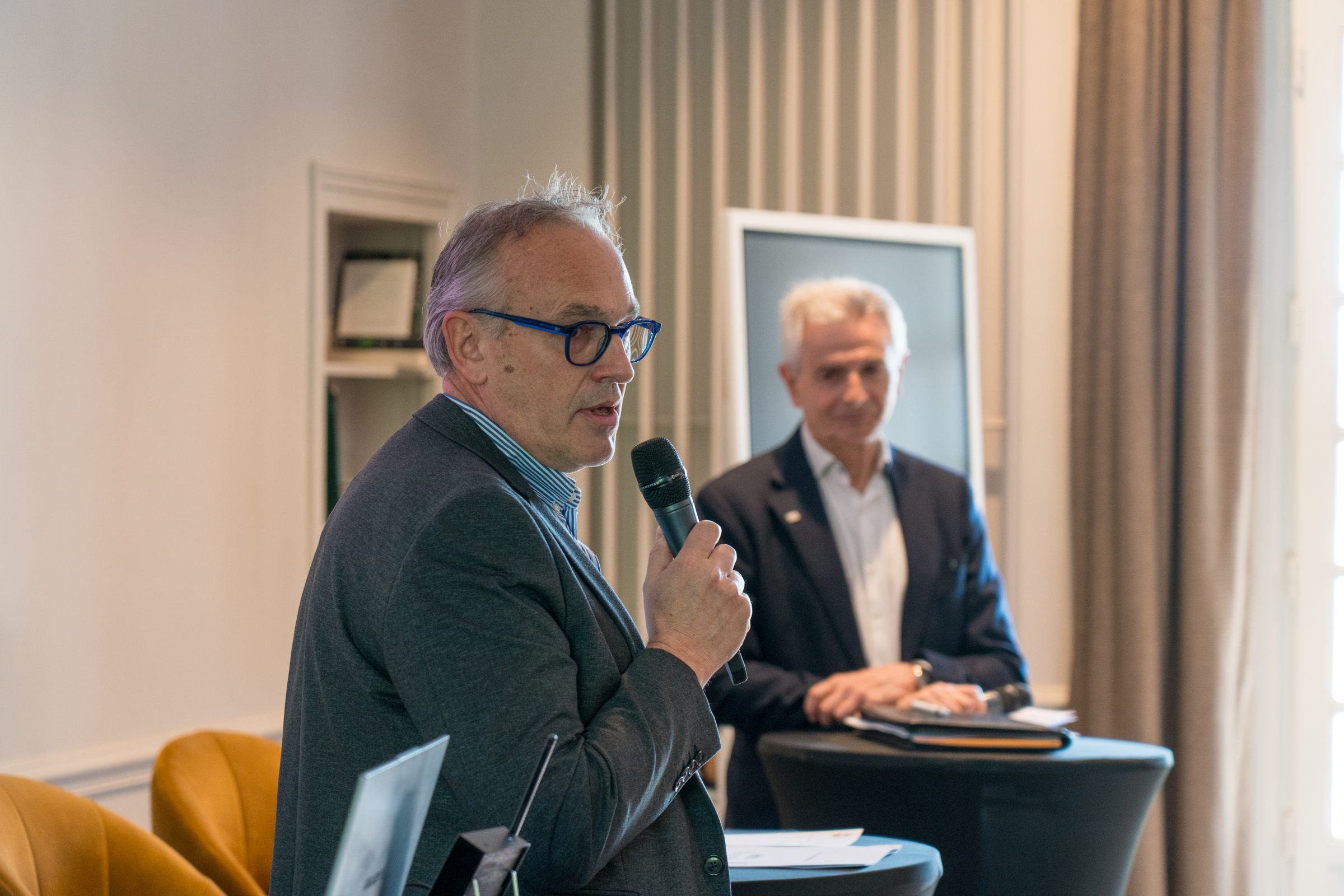
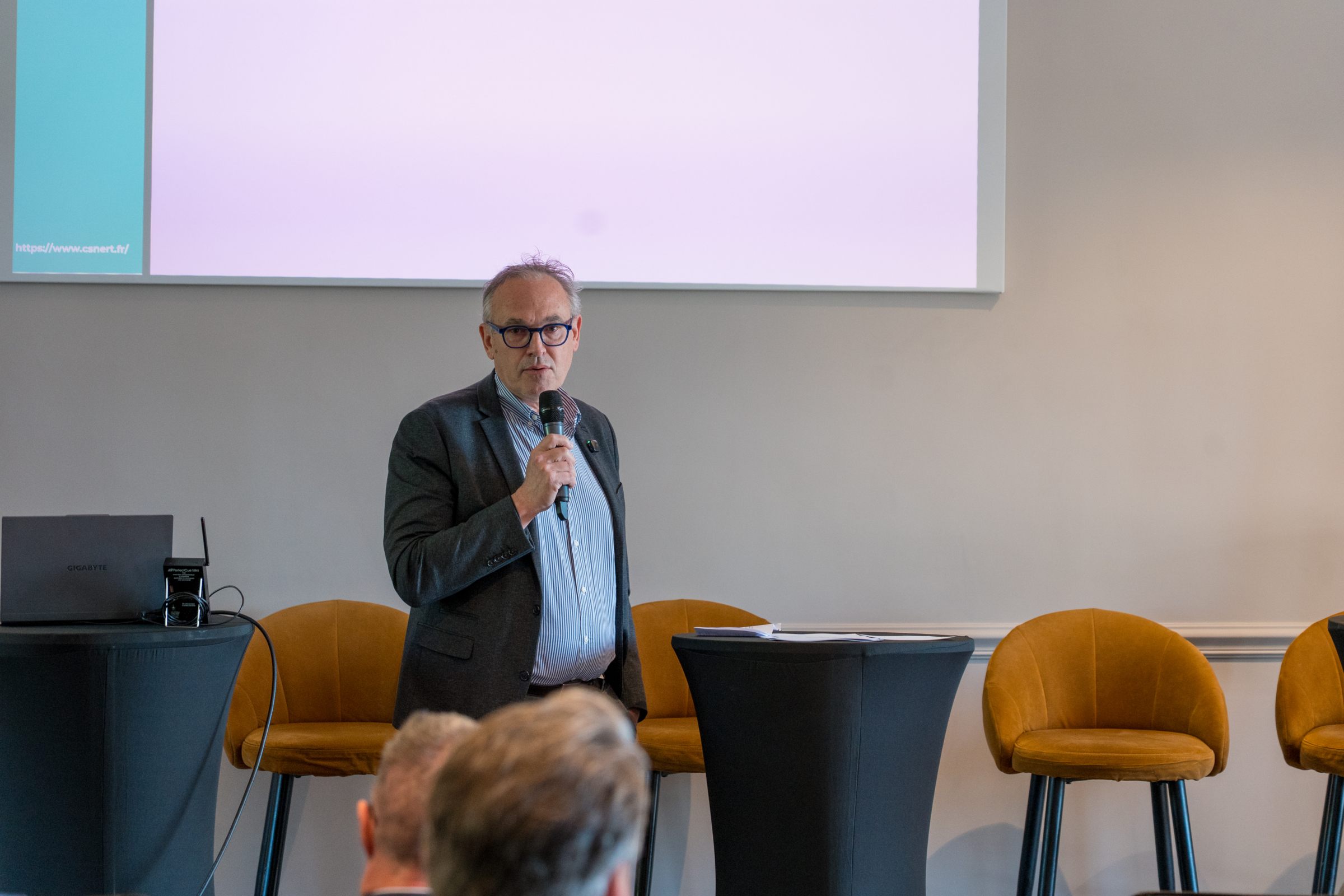
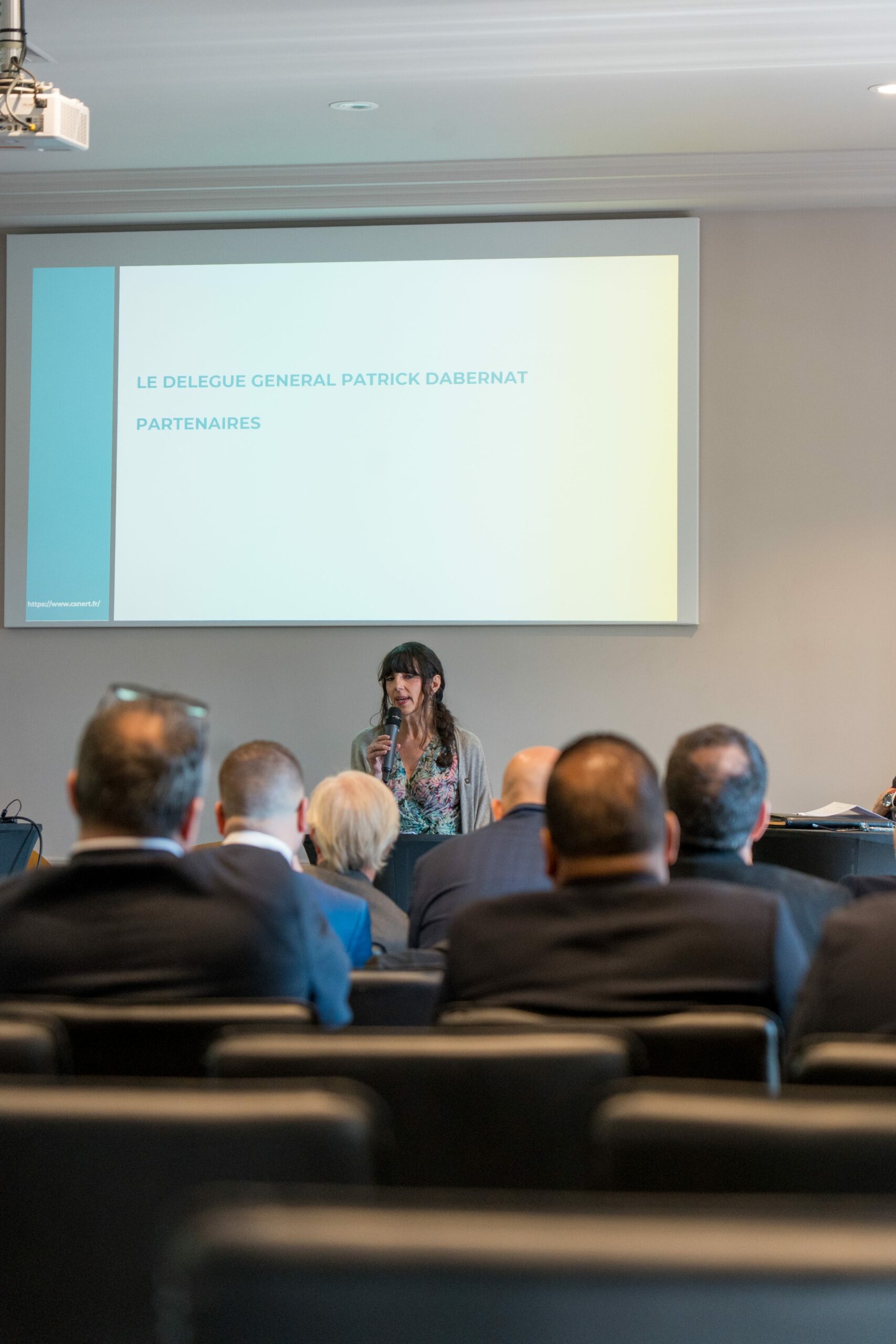
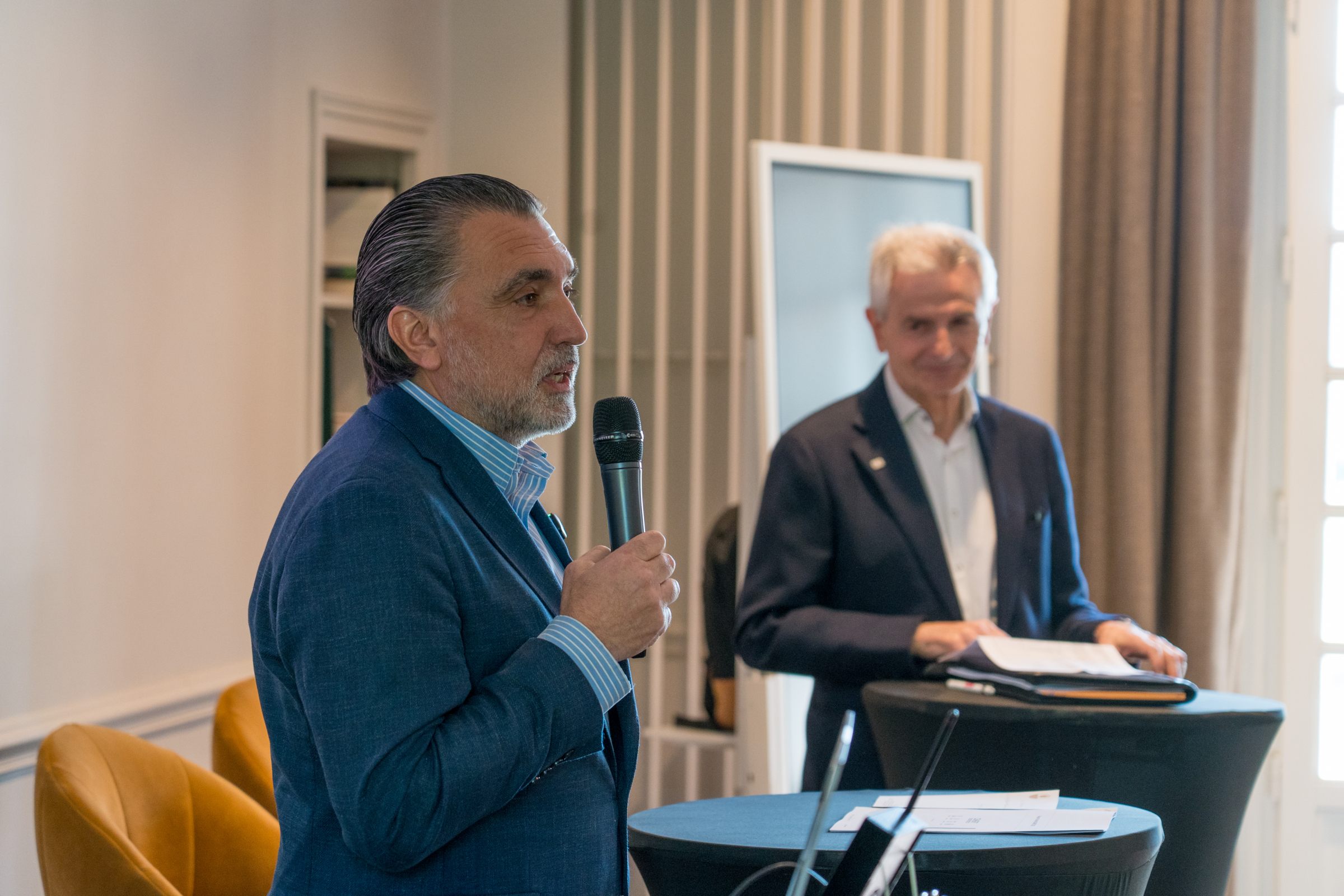
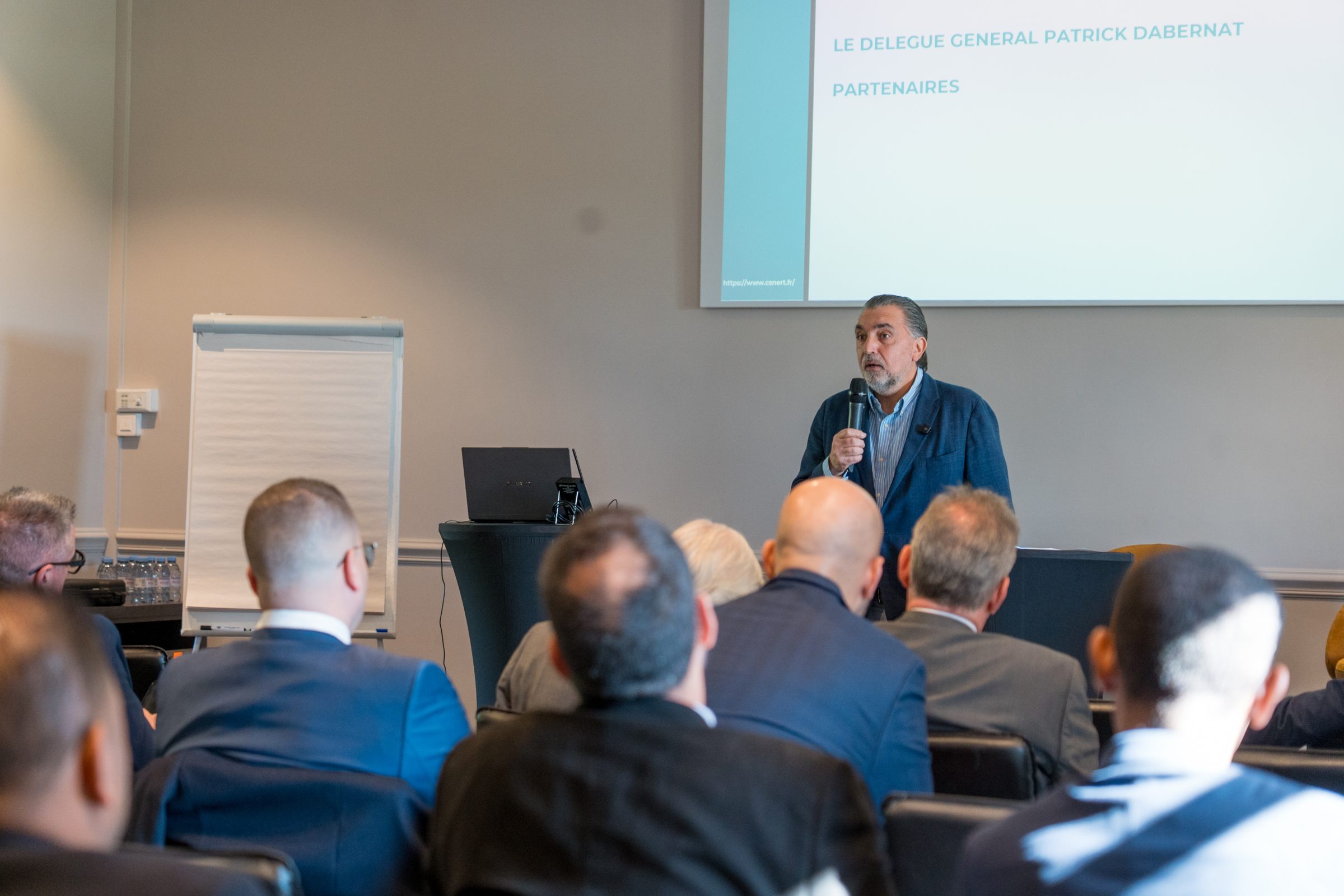
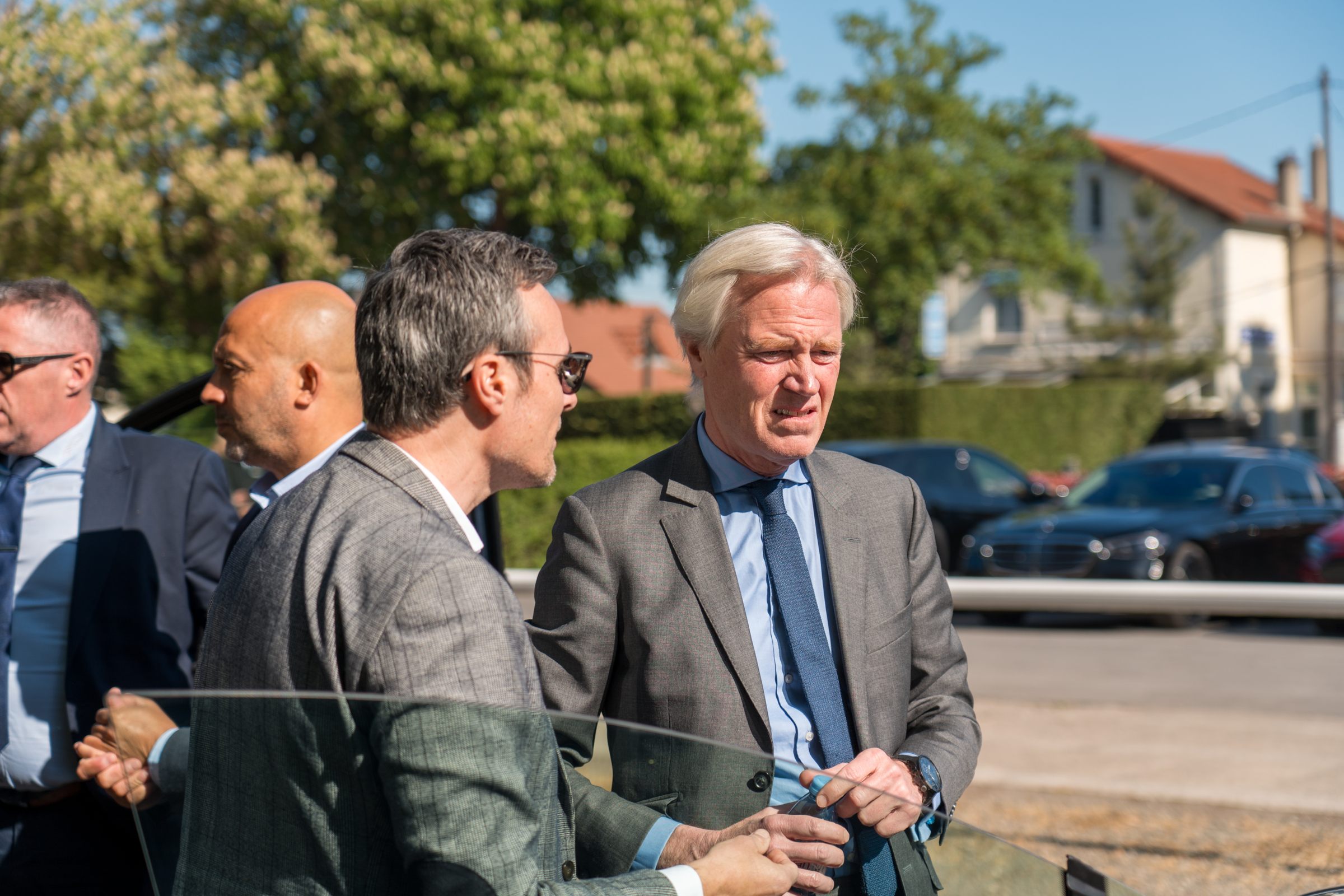
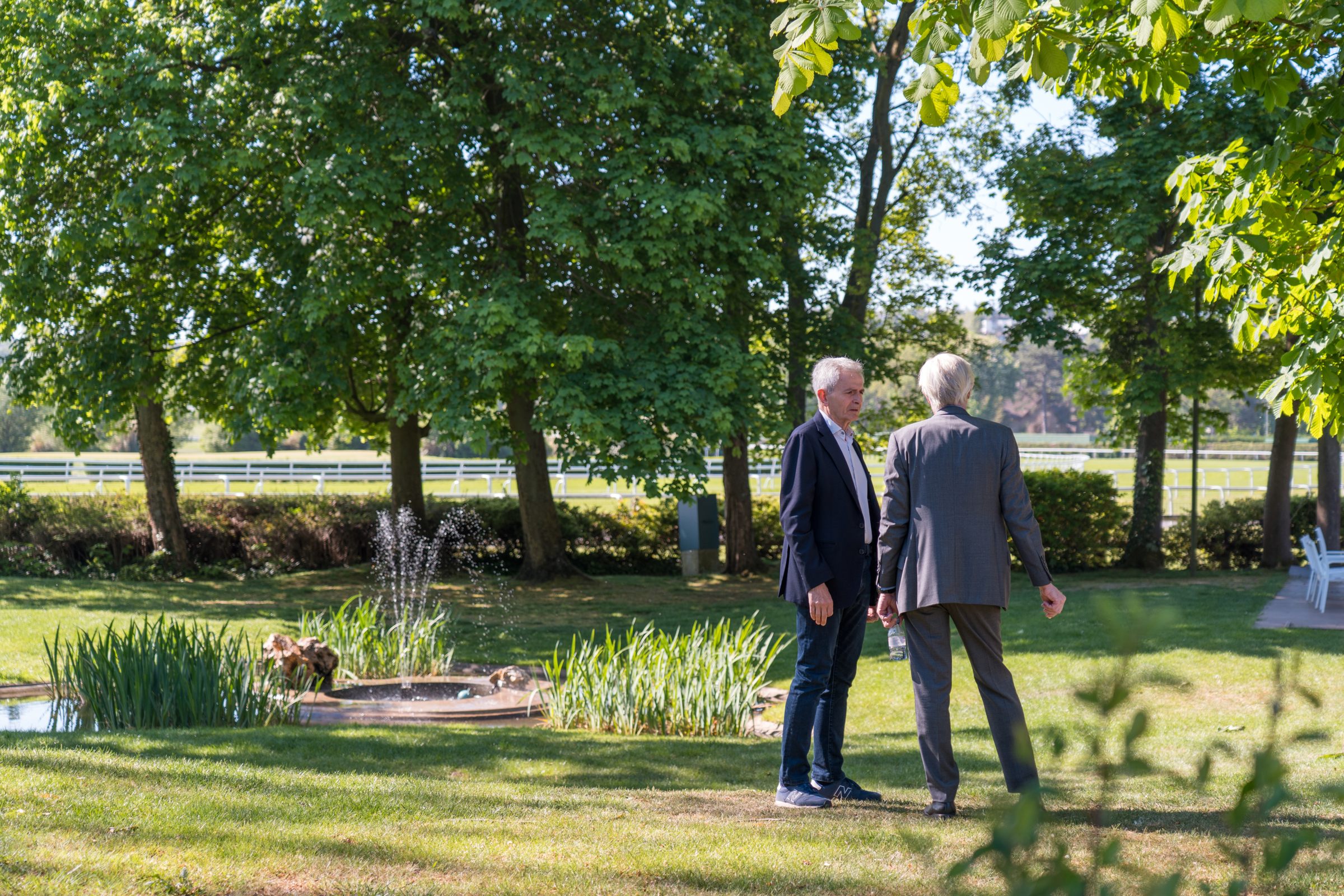
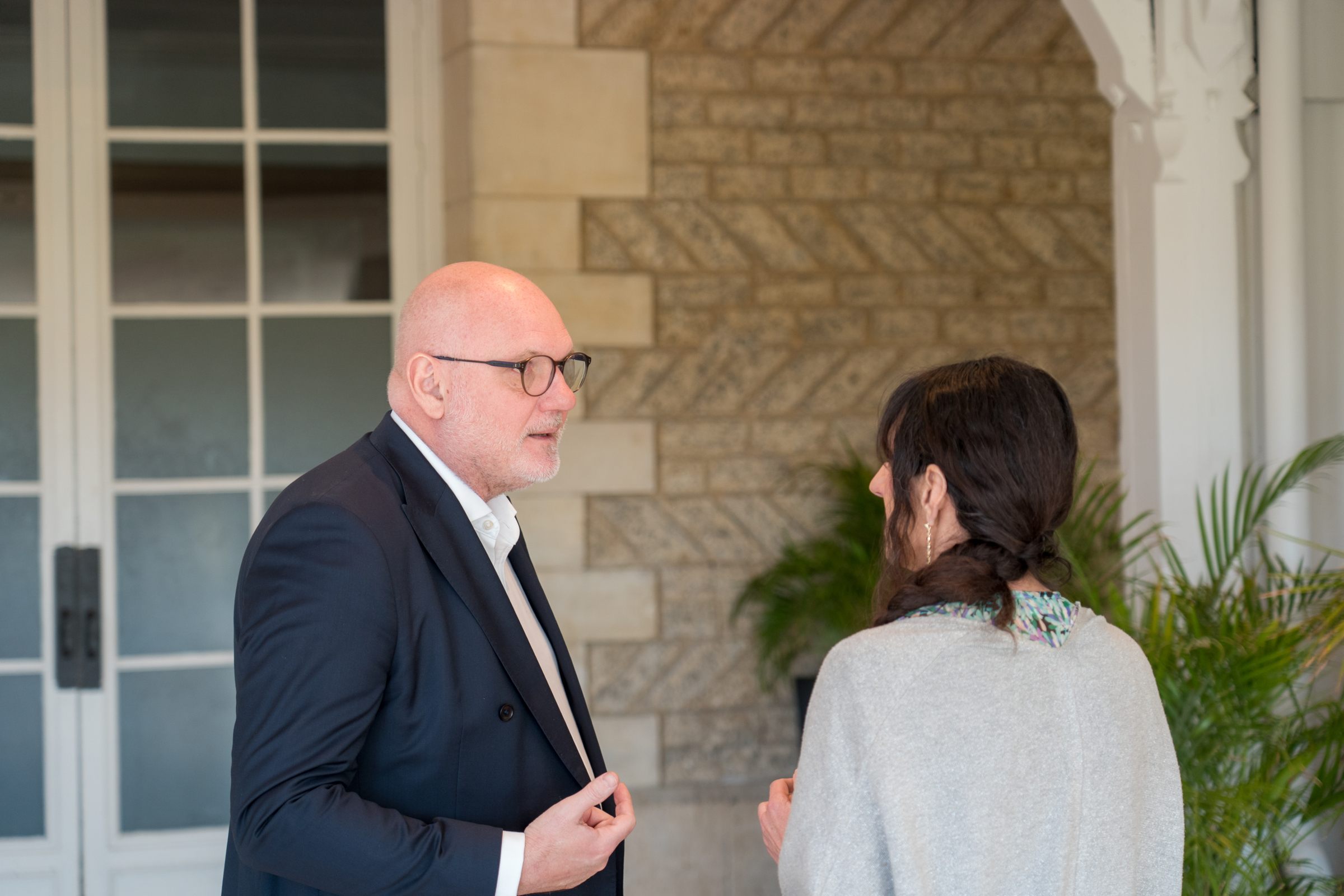
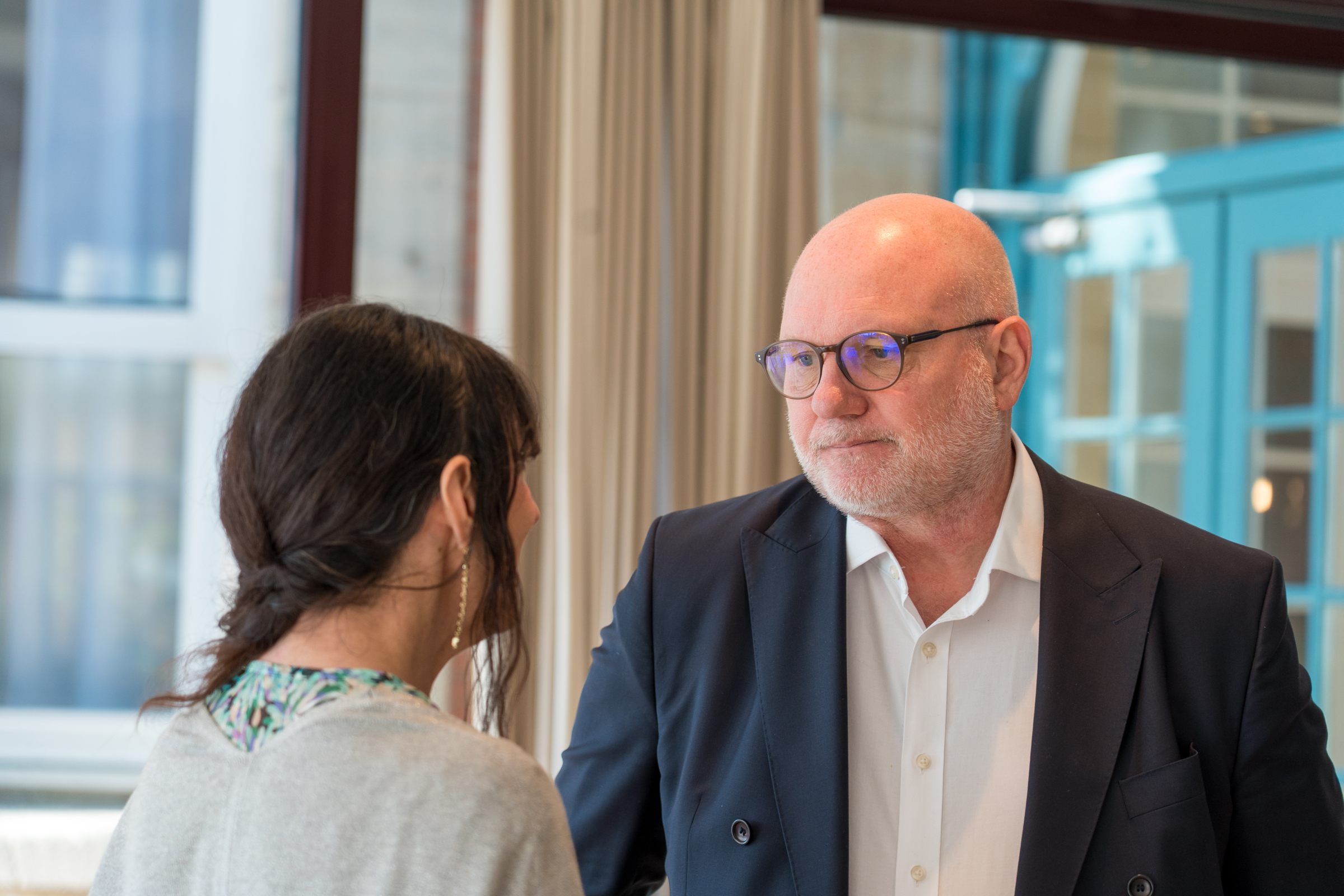
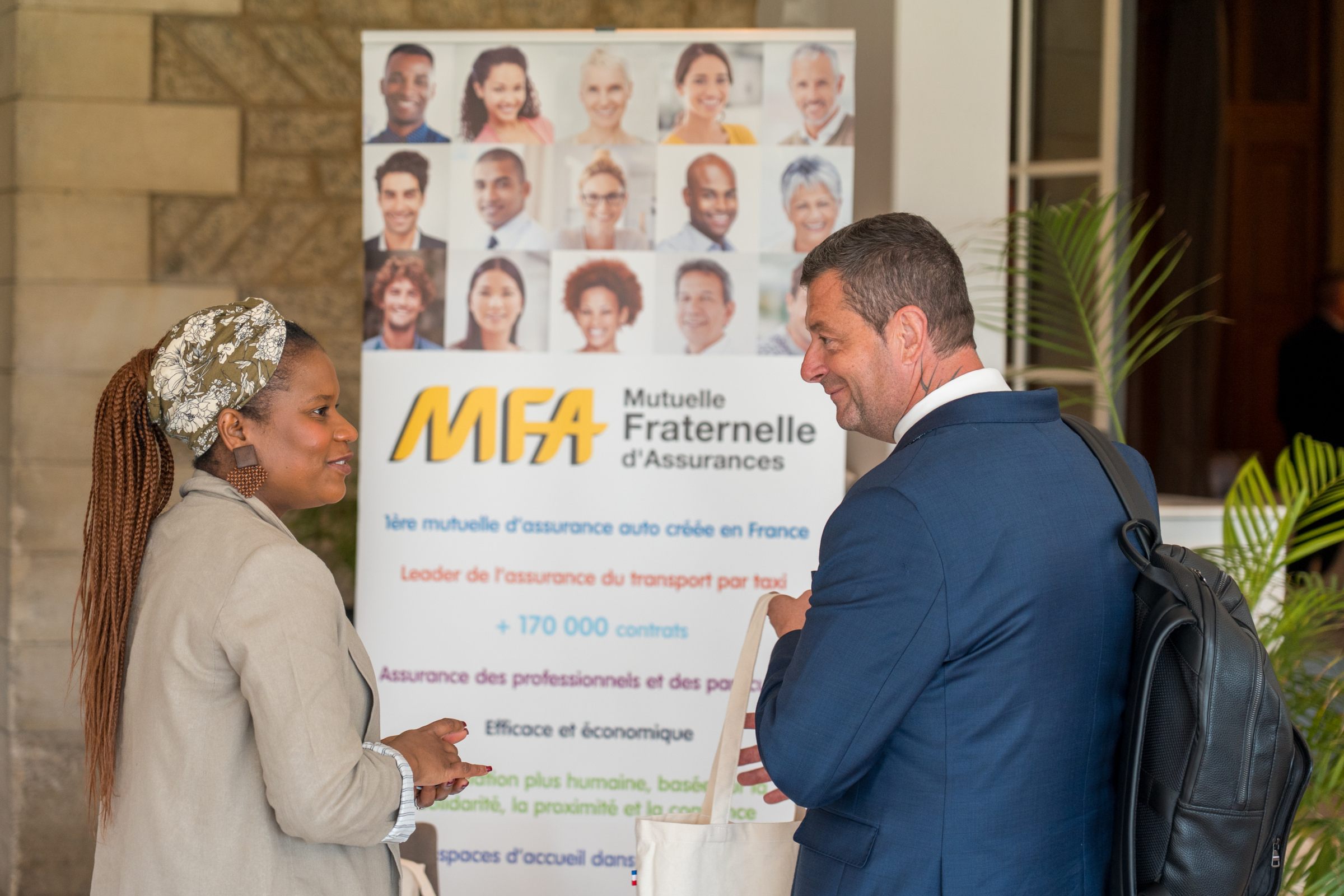
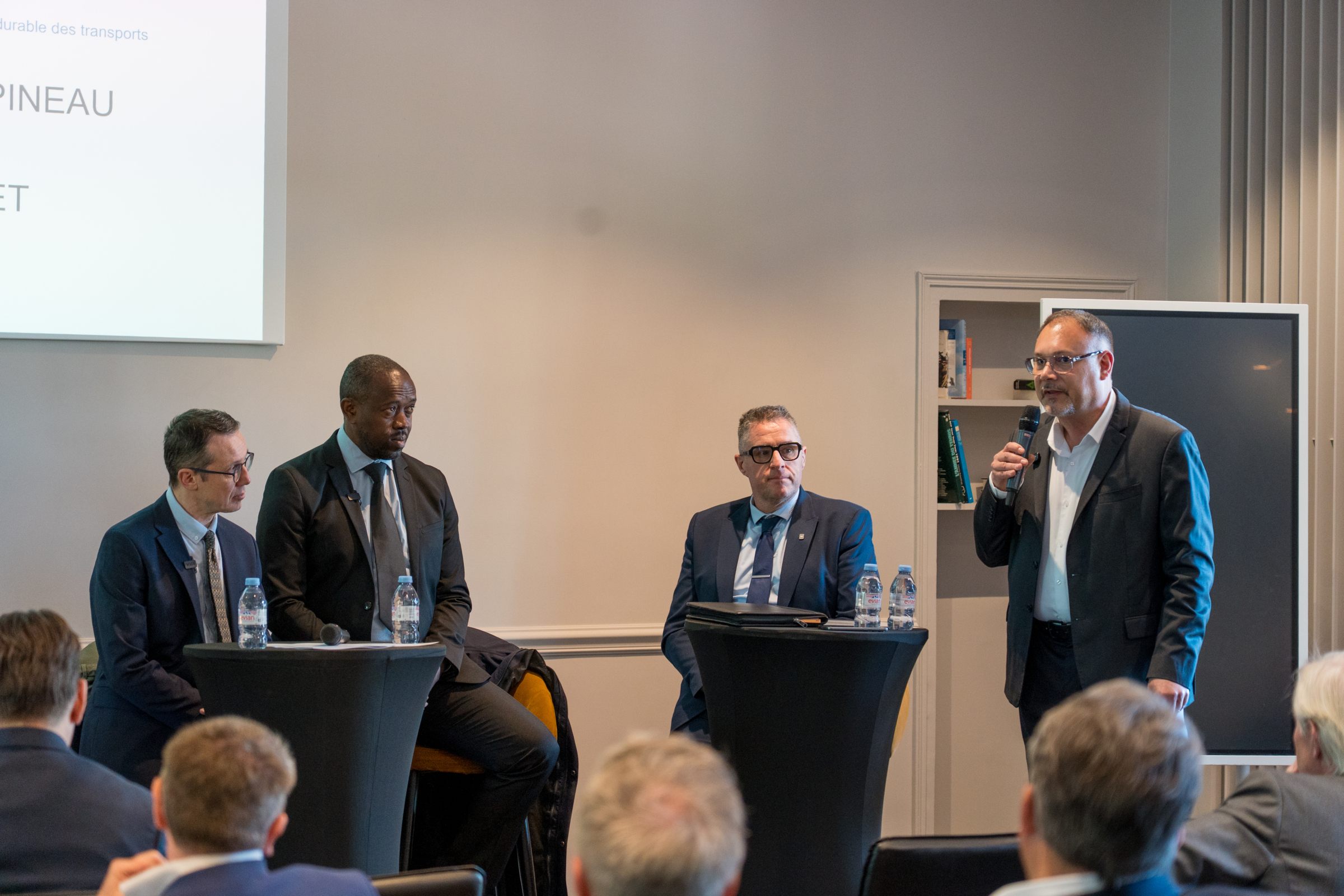
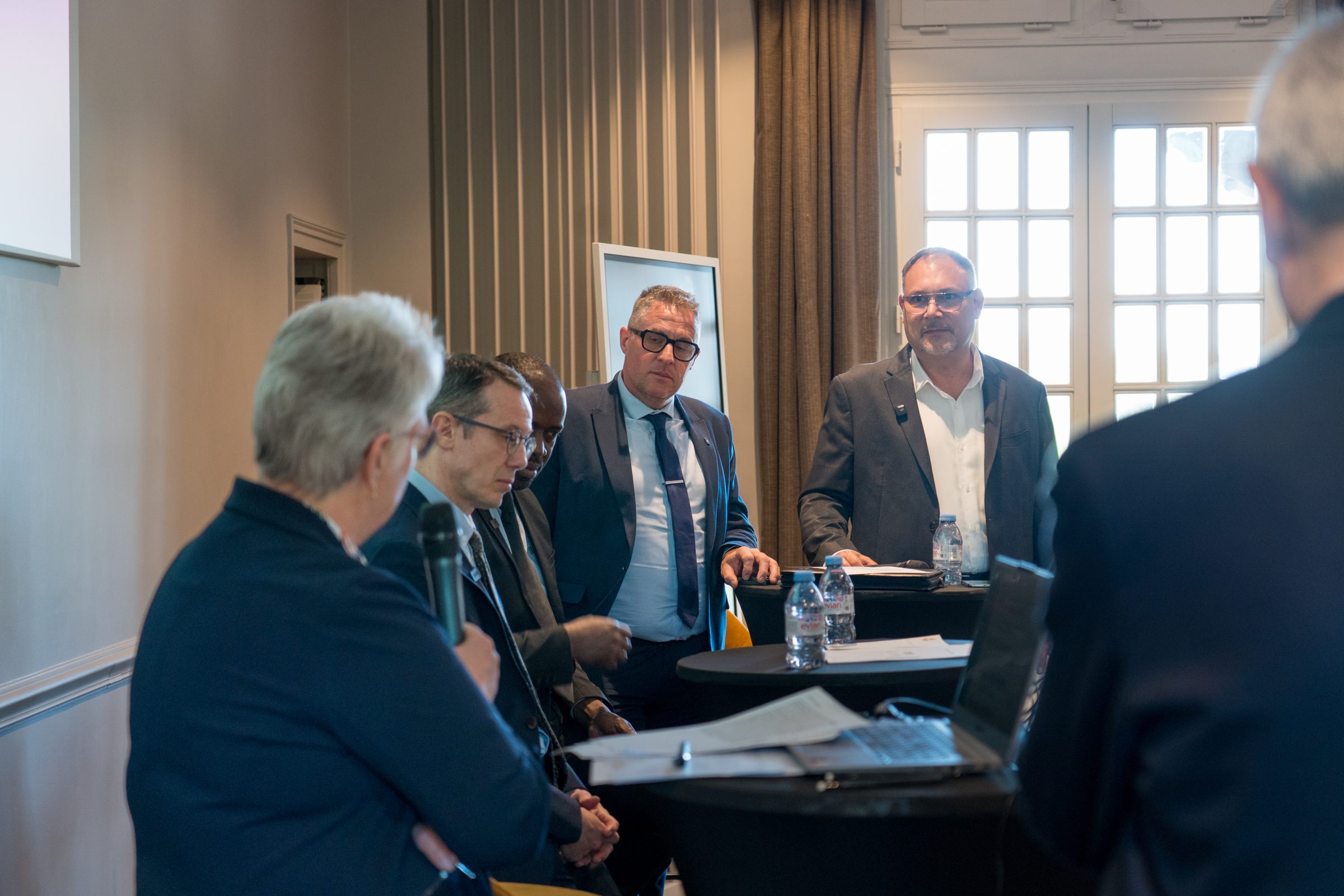
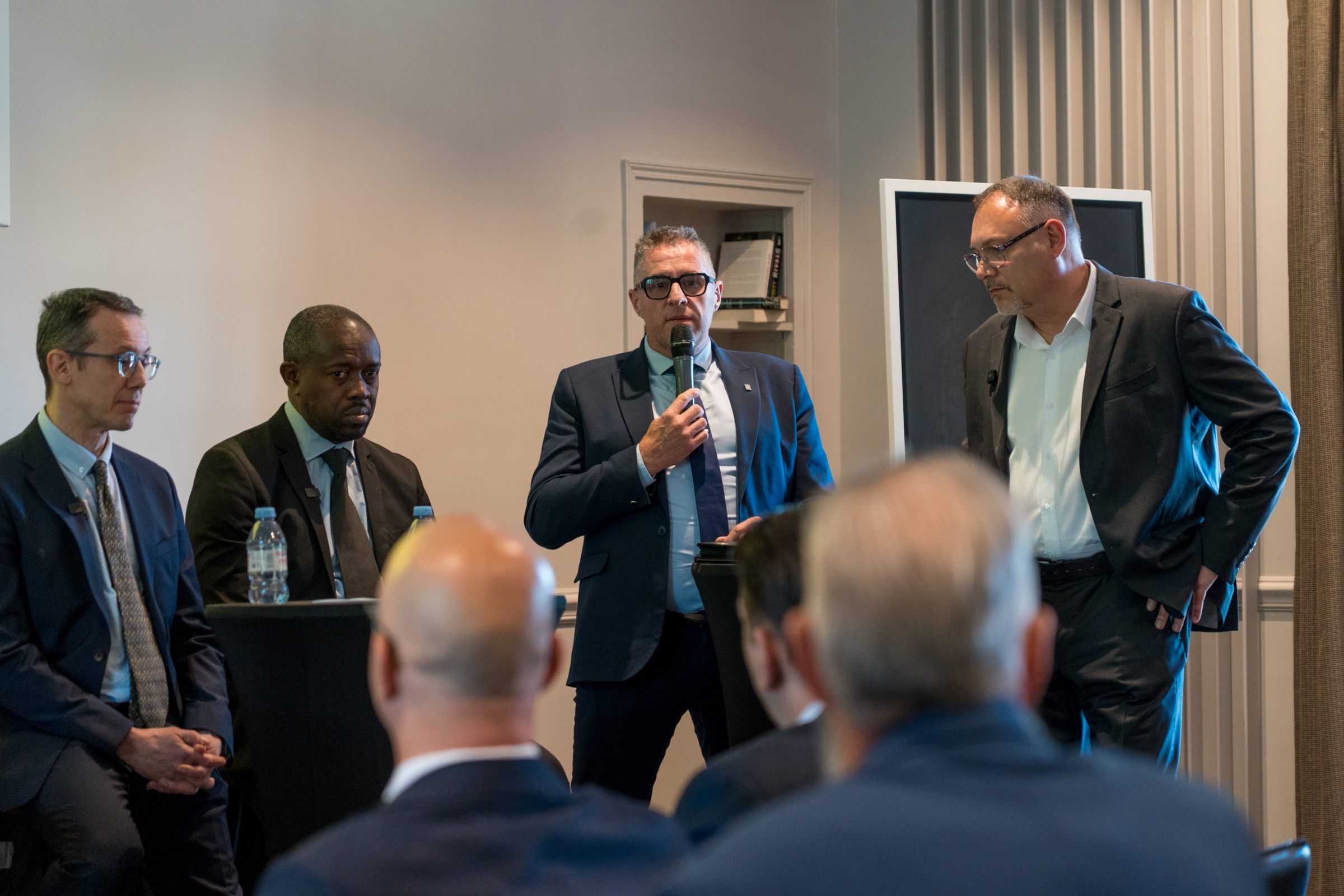
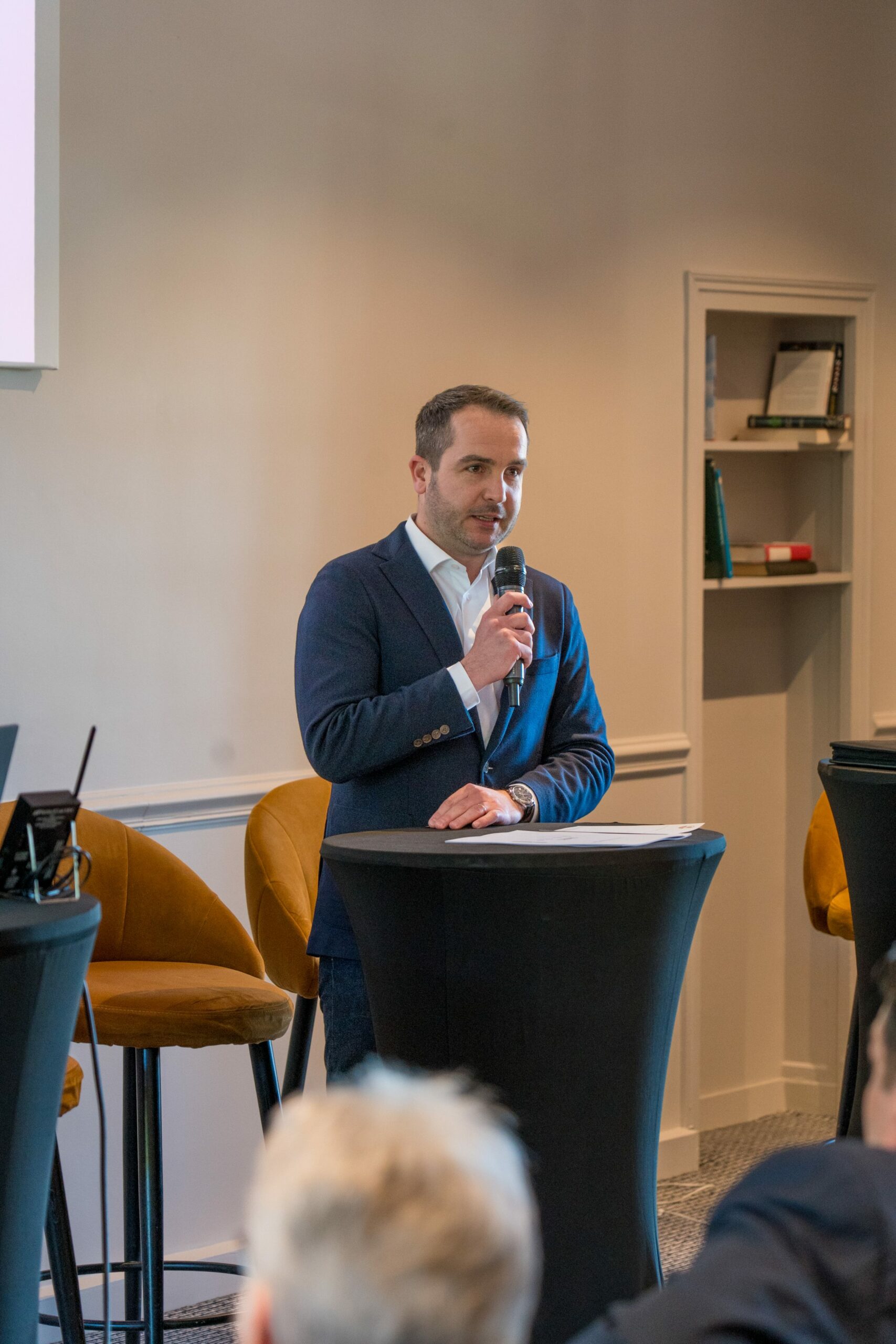
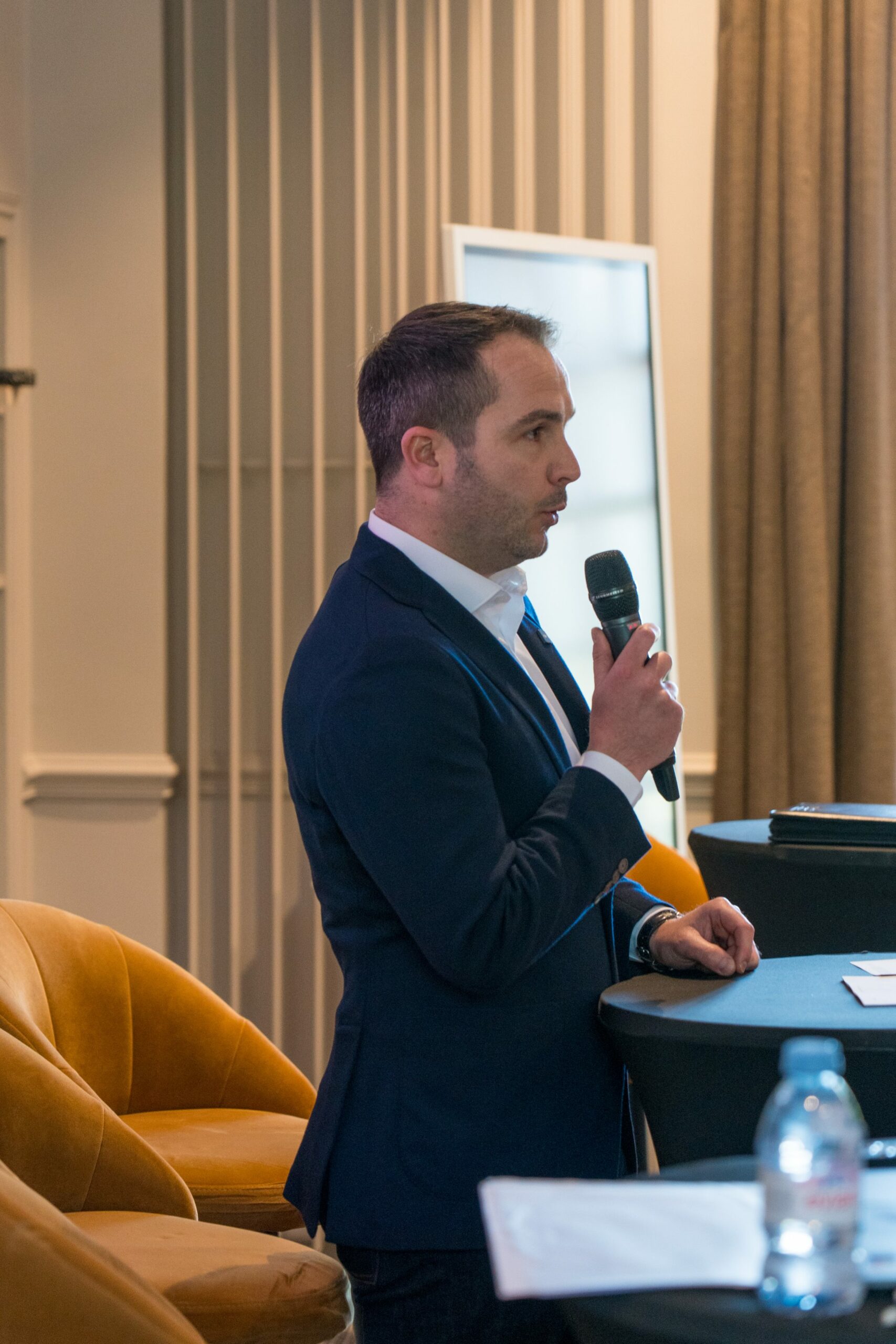
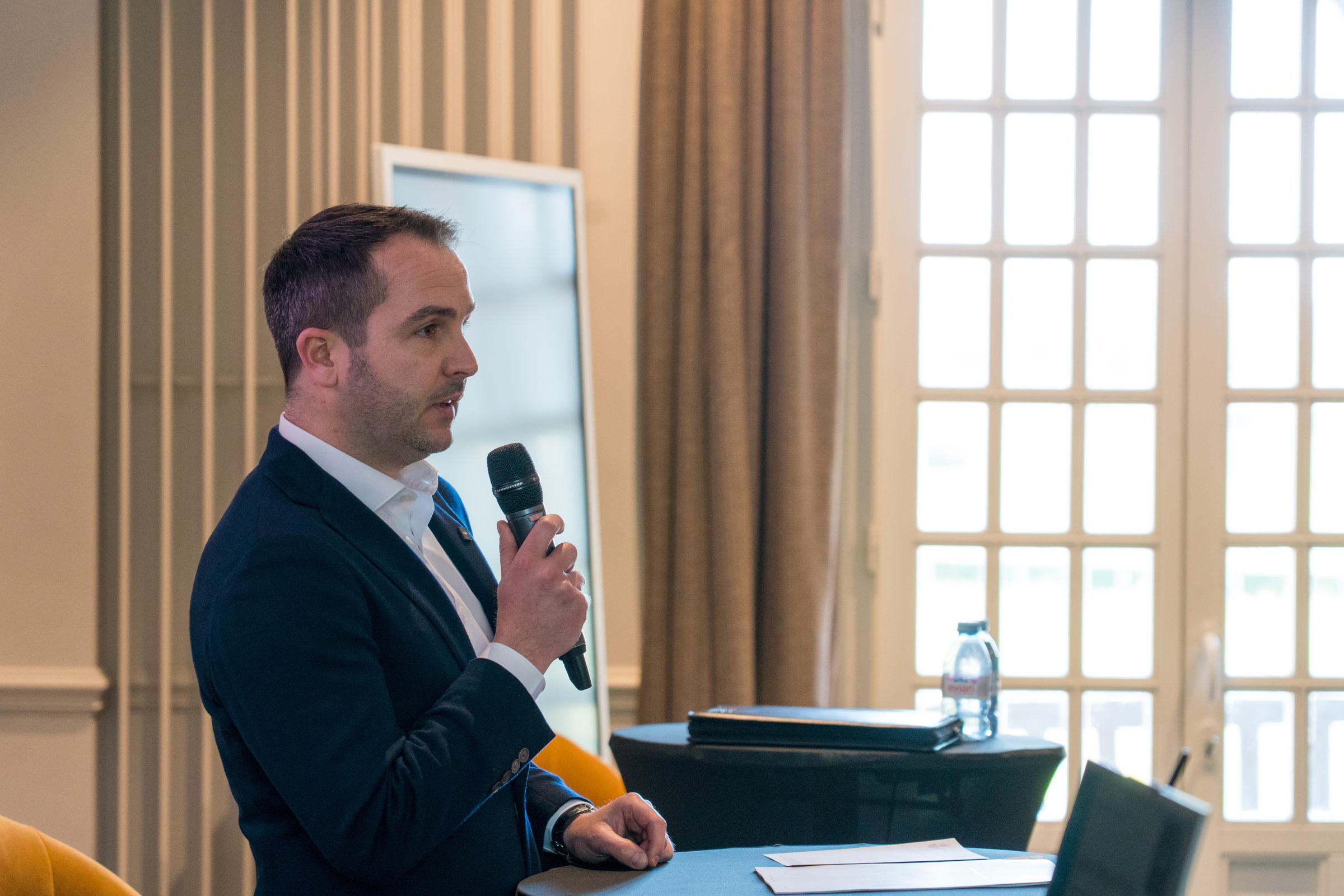
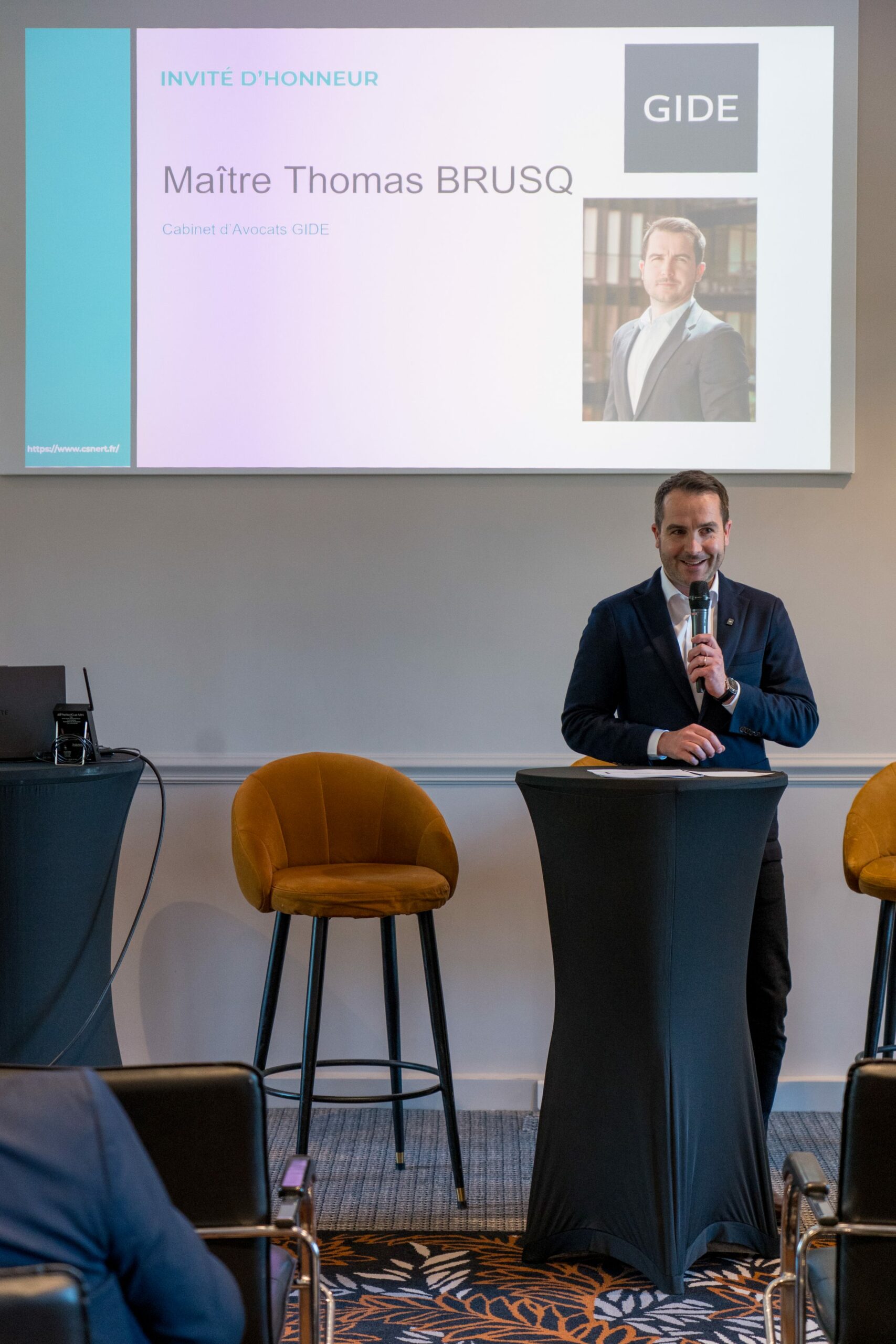
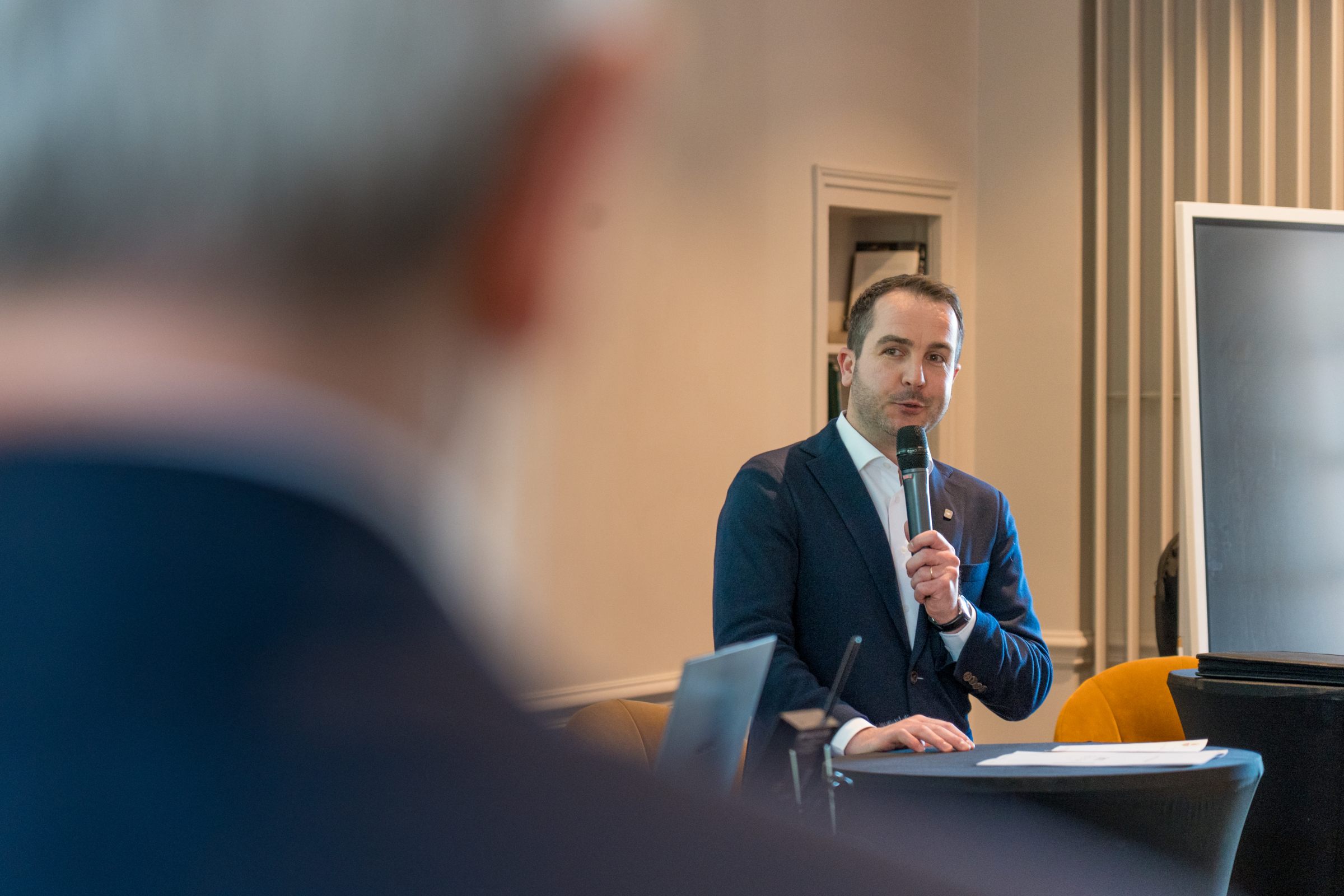
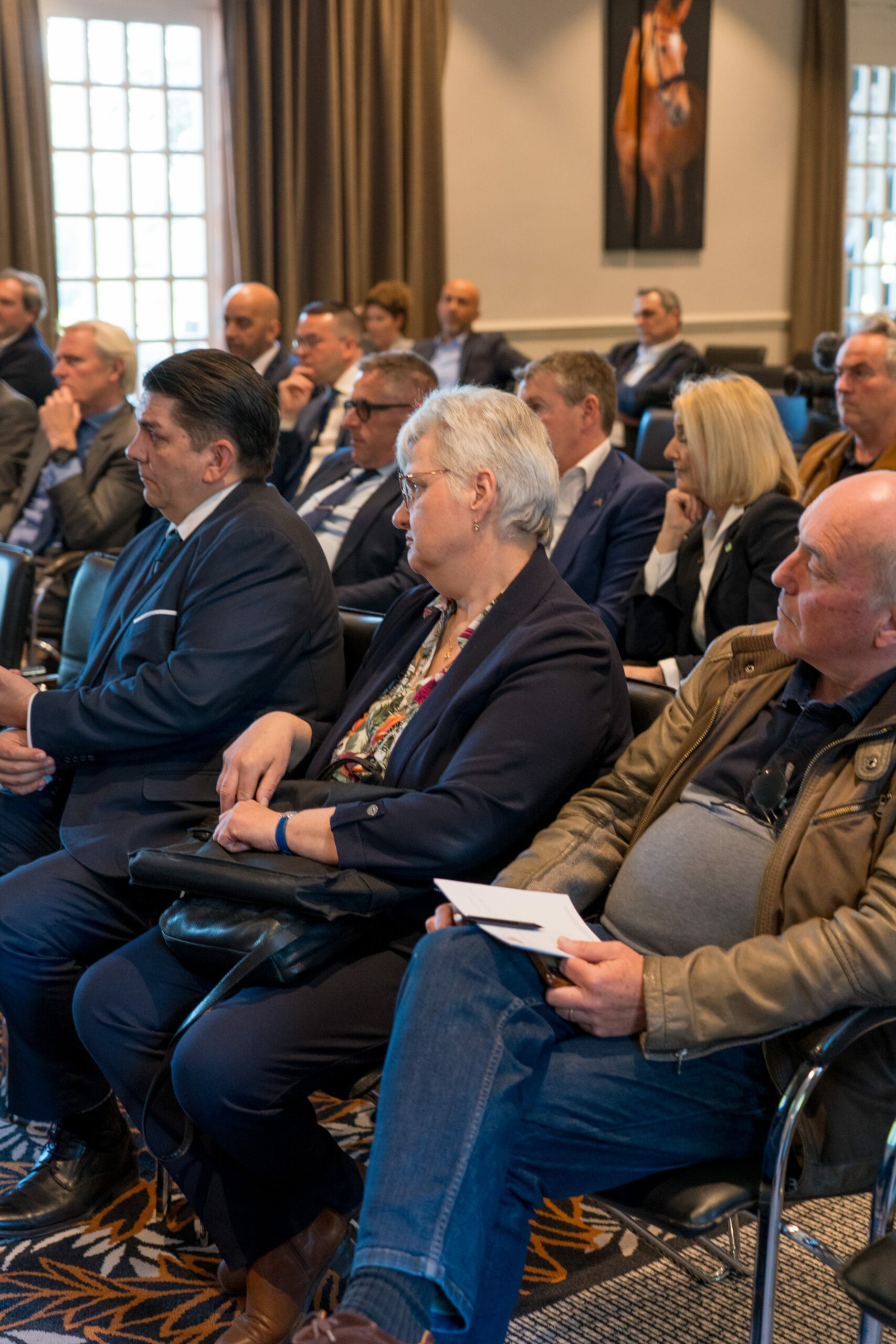
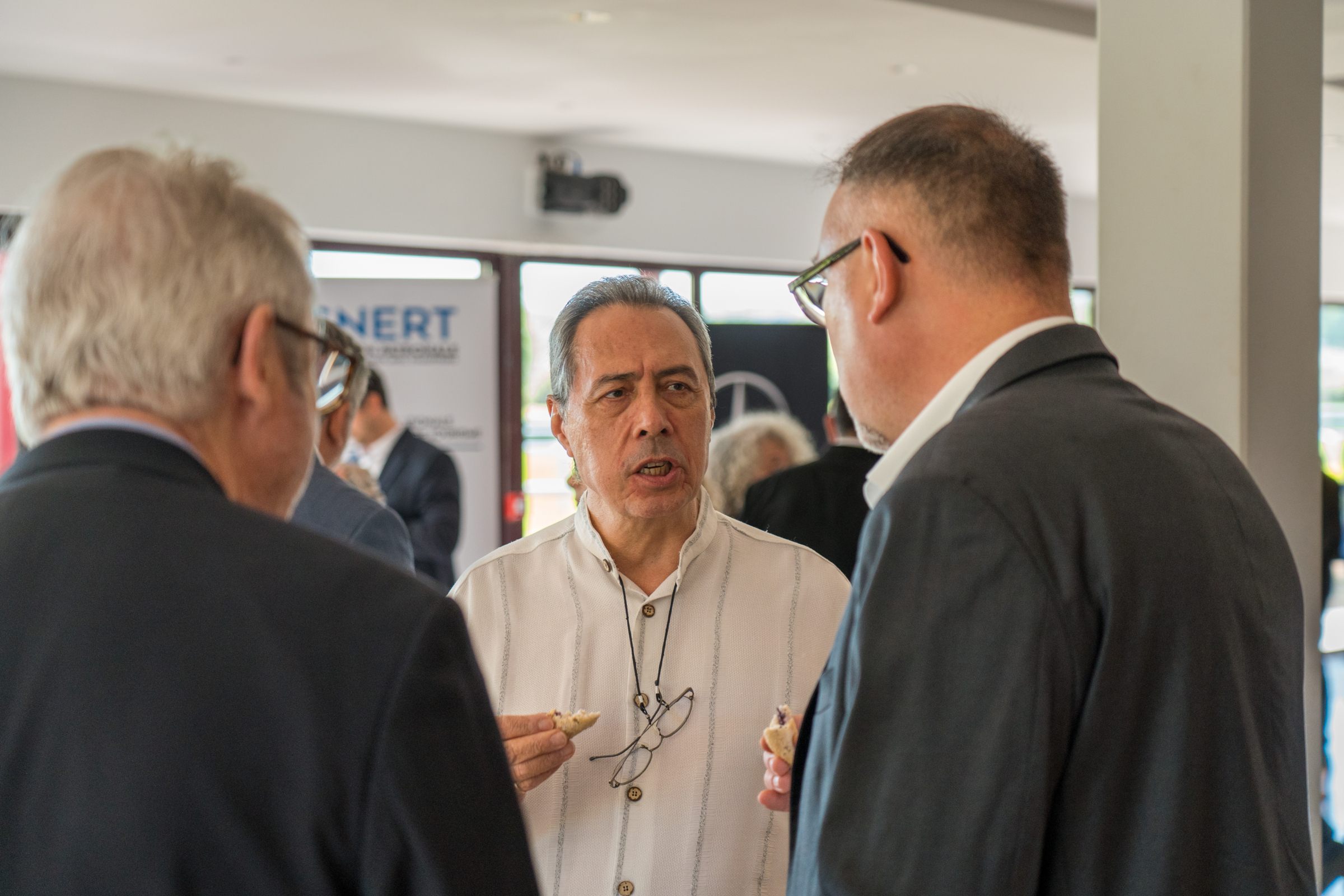
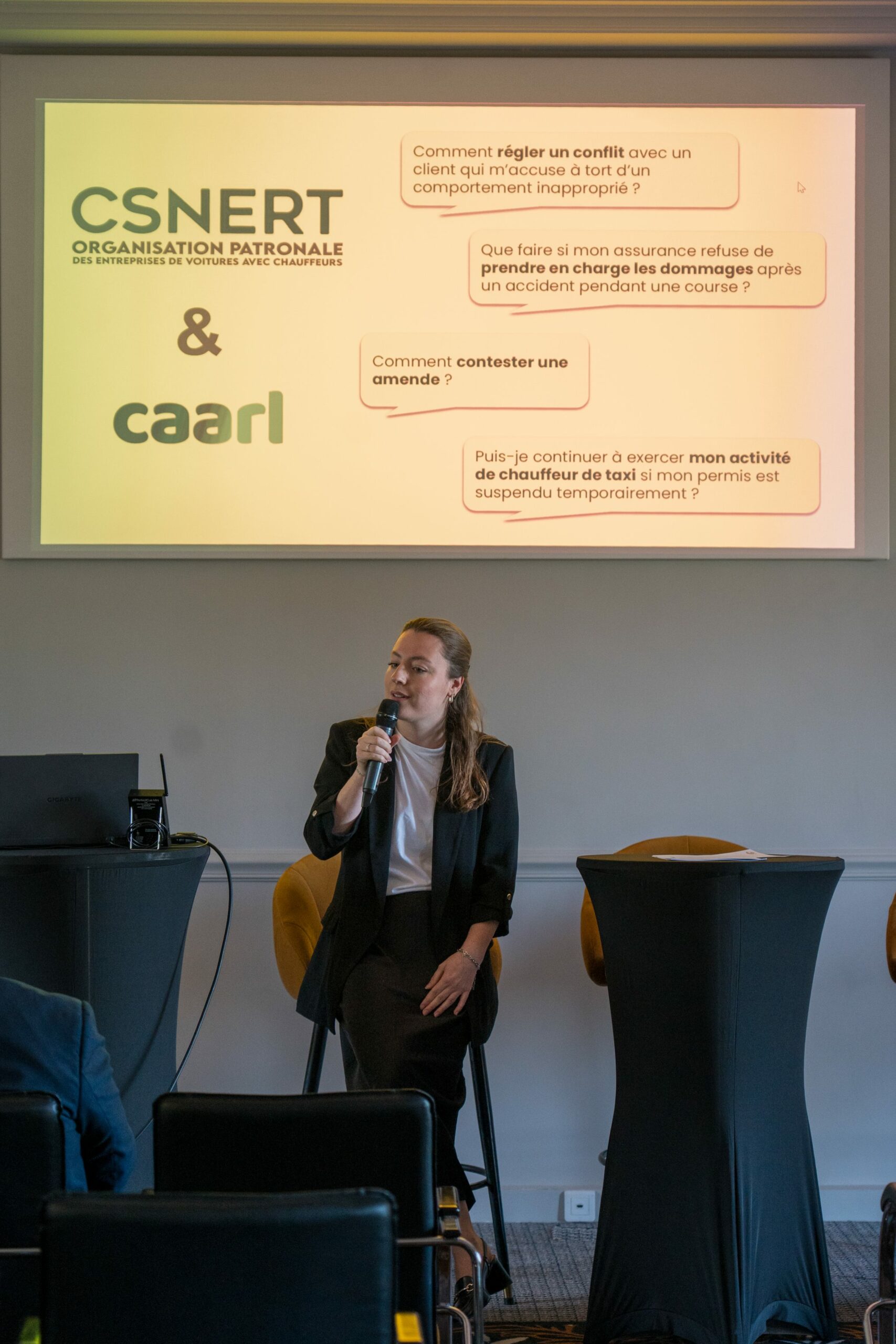
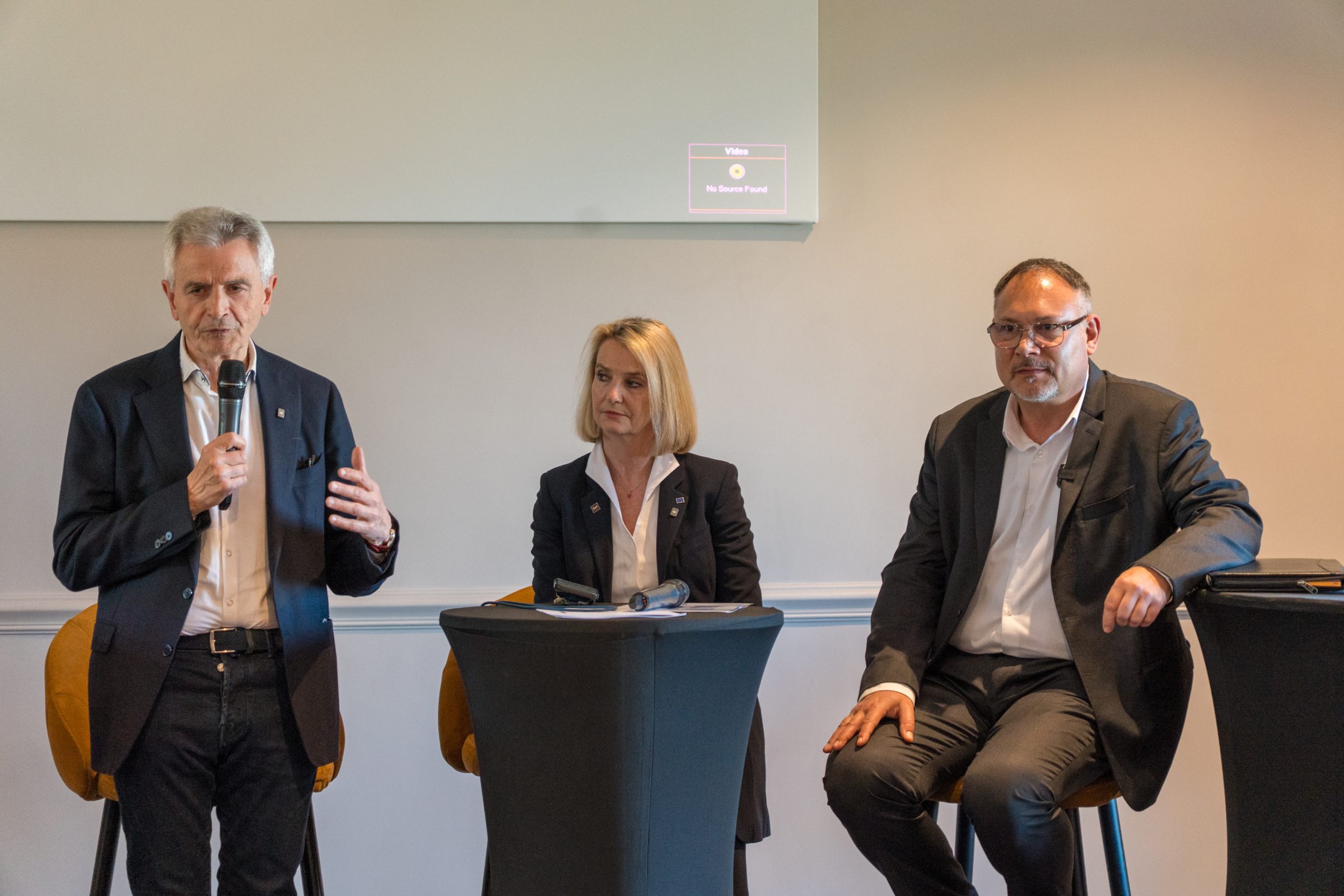
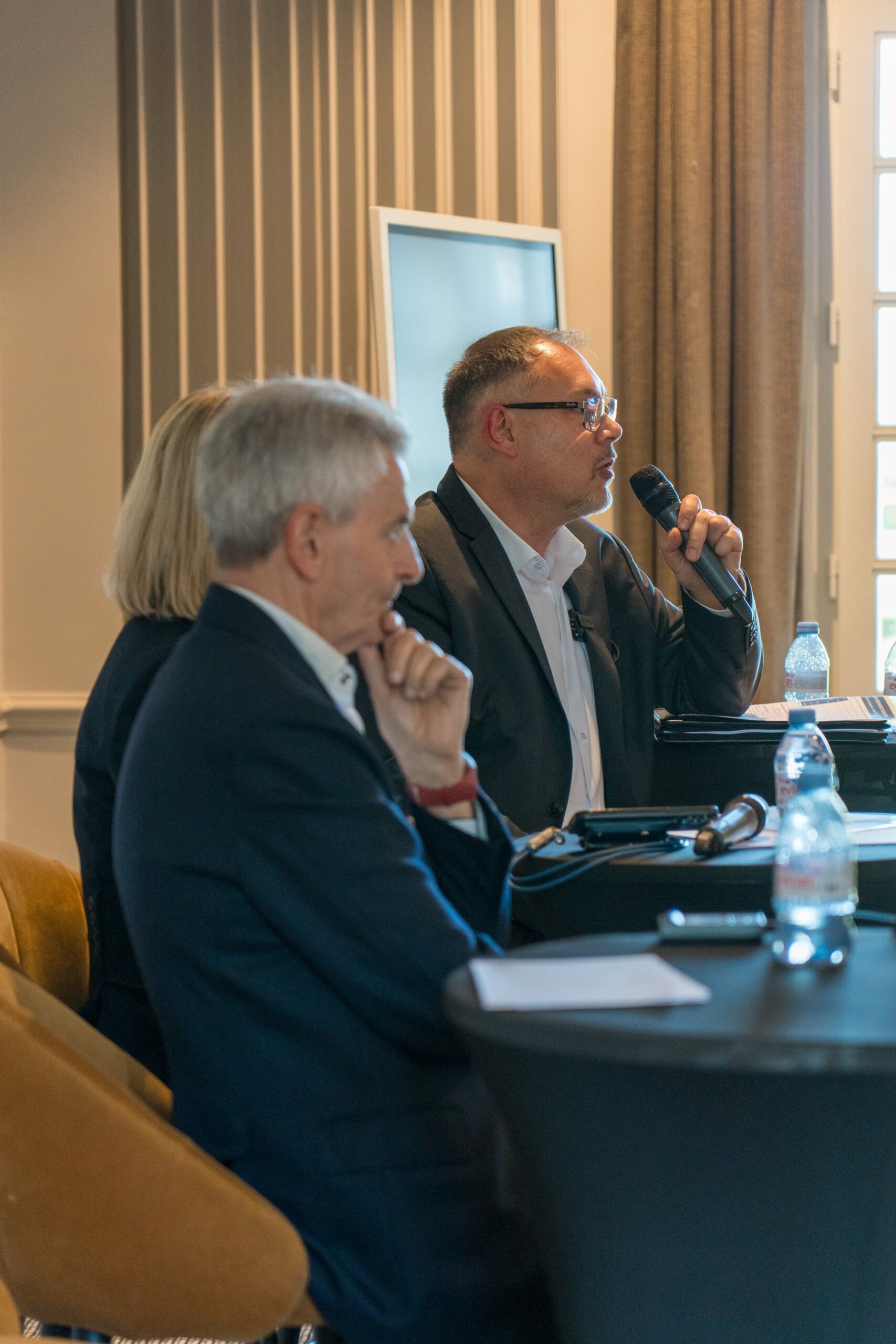
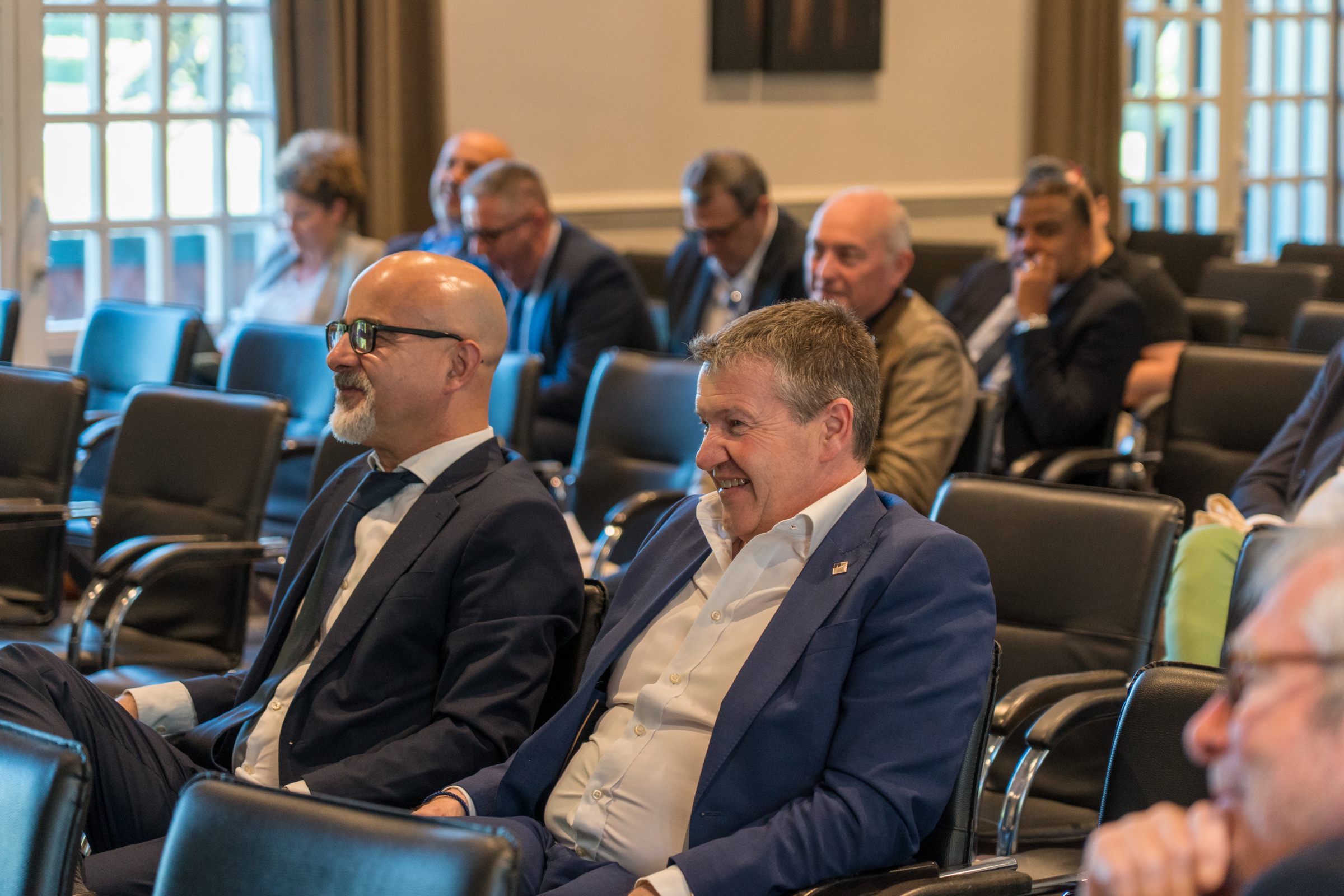
CSNERT (Chambre Syndicale Nationale des Entreprises de Remise et de Tourisme) held its 2026 General Meeting on Friday 24 April at the Manoir du Country Club in Rueil-Malmaison, bringing together its members, board members, institutional representatives and partners from across the French professional chauffeur sector.
For an international audience, CSNERT can be understood as France’s long-standing trade association for professional chauffeur-driven transport companies. Founded in 1945, the organisation has its roots in the historic French Grande Remise sector and now represents established companies operating in the field of executive chauffeur services, business travel, tourism, events and high-end private hire transport.
The 2026 General Meeting provided an opportunity to review the work carried out over the past year, discuss the main regulatory and operational challenges facing the profession, and reaffirm CSNERT’s role as a representative body for quality-driven chauffeur companies in France.
A trade association rooted in history and focused on today’s challenges
Since 1945, CSNERT has represented companies committed to professional standards, quality of service and responsible business practices in chauffeur-driven transport.
The French market has changed considerably over the past decade. Digital platforms, regulatory developments, environmental requirements, access restrictions in major cities, and growing expectations from business and leisure clients have all reshaped the sector.
In this context, CSNERT’s role is to ensure that established chauffeur companies are properly heard and understood by public authorities, regulators, tourism bodies and institutional stakeholders.
The General Meeting confirmed the need for a clear and credible professional voice: one that defends fair competition, supports service quality, promotes regulatory clarity and explains the specific role of professional chauffeur operators within France’s mobility and tourism ecosystem.
Institutional contributions from the Ministry of Transport and DGITM
A key feature of the 2026 General Meeting was the presence and contribution of representatives from the French Ministry of Transport and the DGITM.
The DGITM — Direction générale des infrastructures, des transports et des mobilités — is the French central government department responsible for infrastructure, transport and mobility policy. It is also involved in the national register for chauffeur-driven transport operators, known in France as the REVTC register.
For non-French readers, REVTC is the official register for companies operating “Voitures de Transport avec Chauffeur”, the French regulated category often abbreviated as VTC. While the term VTC has no direct equivalent in English, it broadly refers to licensed chauffeur-driven private hire vehicles operating under French transport law.
The presence of the Ministry of Transport and DGITM representatives allowed members to exchange directly on regulatory matters, administrative procedures and the practical realities faced by professional operators.
This dialogue is essential. For CSNERT, regulation must not be designed only around mass-market platforms or informal operators. It must also take into account structured chauffeur companies that employ staff, invest in premium vehicles, train drivers, serve international clients and contribute to France’s reputation as a leading destination for tourism and business travel.
BOERS: enforcement, compliance and the fight against illegal transport
The General Meeting also welcomed representatives from the BOERS.
The BOERS is the specialised unit of the Paris Police Prefecture responsible for monitoring and enforcing rules applicable to passenger transport services, including taxis, chauffeur-driven private hire vehicles and other regulated operators. Historically associated with taxi enforcement, the unit now plays an important role in supervising compliance across the wider passenger transport sector.
Its presence at the General Meeting reflected a major concern for CSNERT members: the need for effective enforcement against illegal transport, unlicensed operators and unfair practices.
For professional chauffeur companies, regulation only has value if it is applied. Licensed operators comply with administrative obligations, vehicle requirements, insurance rules, professional card requirements and operating standards. They therefore expect illegal or non-compliant activity to be identified and sanctioned.
CSNERT reaffirmed its support for fair enforcement, not as a matter of protectionism, but as a condition for safety, professionalism and fair competition.
Destination d’Excellence and the VTC-Limousine quality initiative
The 2026 General Meeting also addressed the work being carried out around the French Destination d’Excellence label.
Destination d’Excellence is the national quality label introduced to replace the former Qualité Tourisme scheme. It is designed to highlight tourism professionals committed to service quality, customer experience and responsible practices.
For CSNERT, the inclusion of chauffeur-driven transport companies in this quality-driven approach is a strategic issue.
Professional chauffeur services are often the first and last point of contact for international visitors, corporate clients, delegations, event guests and high-end travellers. The experience of a destination does not begin at the hotel or the conference venue. It often begins at the airport, railway station, cruise terminal or private residence, when the traveller is welcomed by a professional chauffeur.
CSNERT therefore continues to promote a dedicated VTC-Limousine approach within the Destination d’Excellence framework. The objective is to ensure that high-quality chauffeur-driven transport companies can be properly identified, recognised and promoted as part of France’s tourism and hospitality offer.
This initiative is also intended to distinguish established professional operators from lower-standard or purely platform-based services. It reflects the reality of companies that invest in vehicles, recruitment, training, client care, safety, discretion, punctuality and environmental transition.
The Confédération des Acteurs du Tourisme: connecting chauffeur services with the wider tourism industry
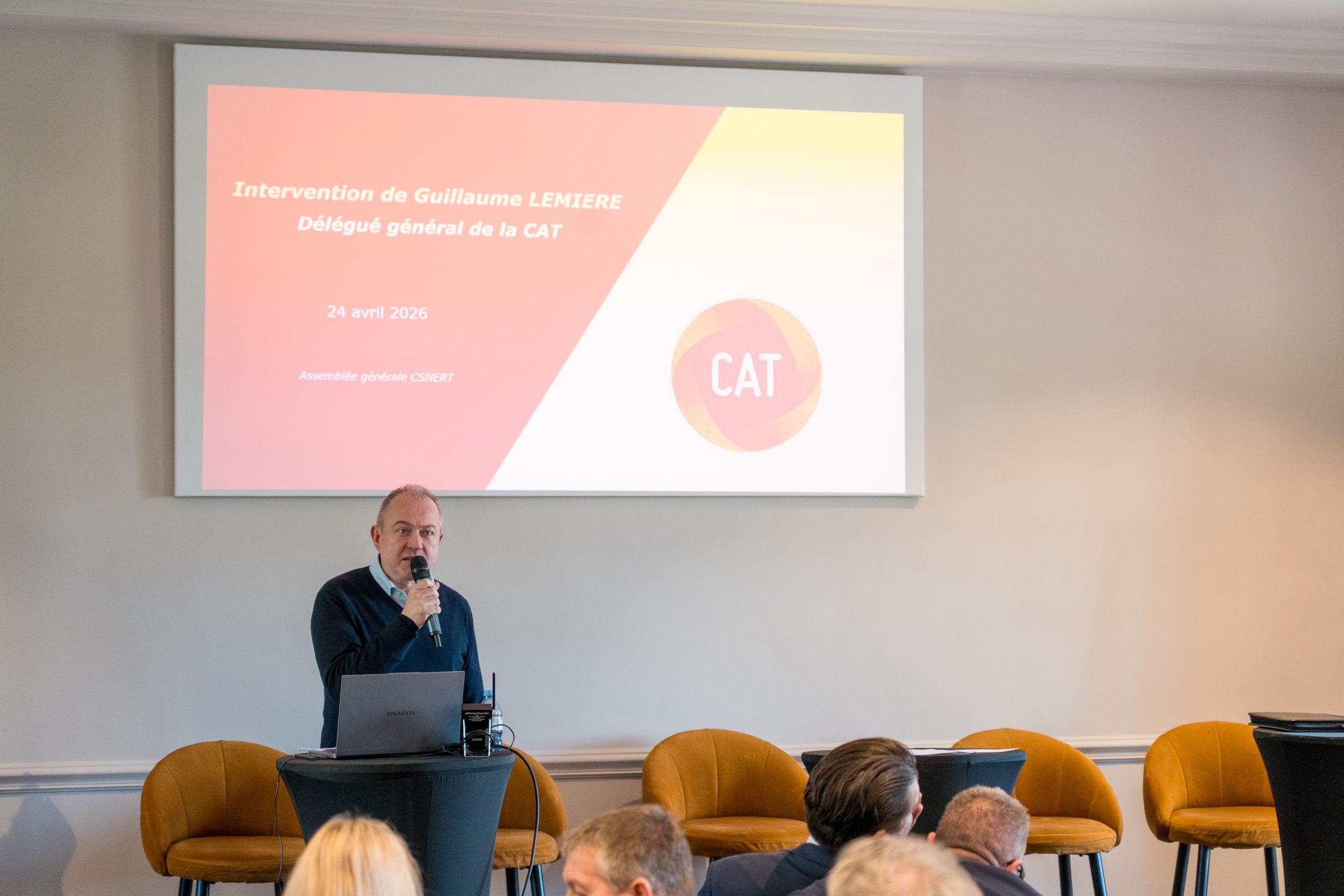
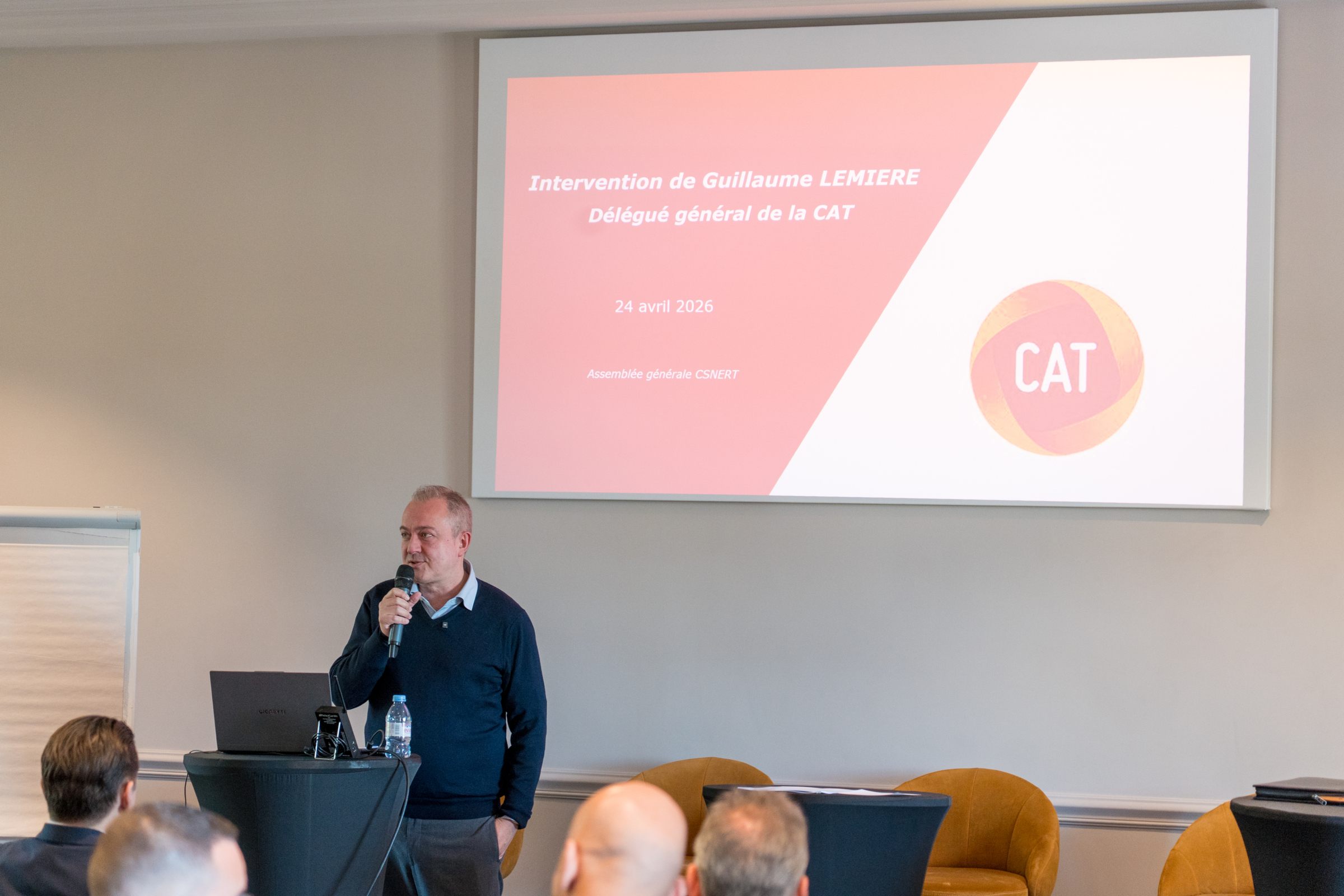
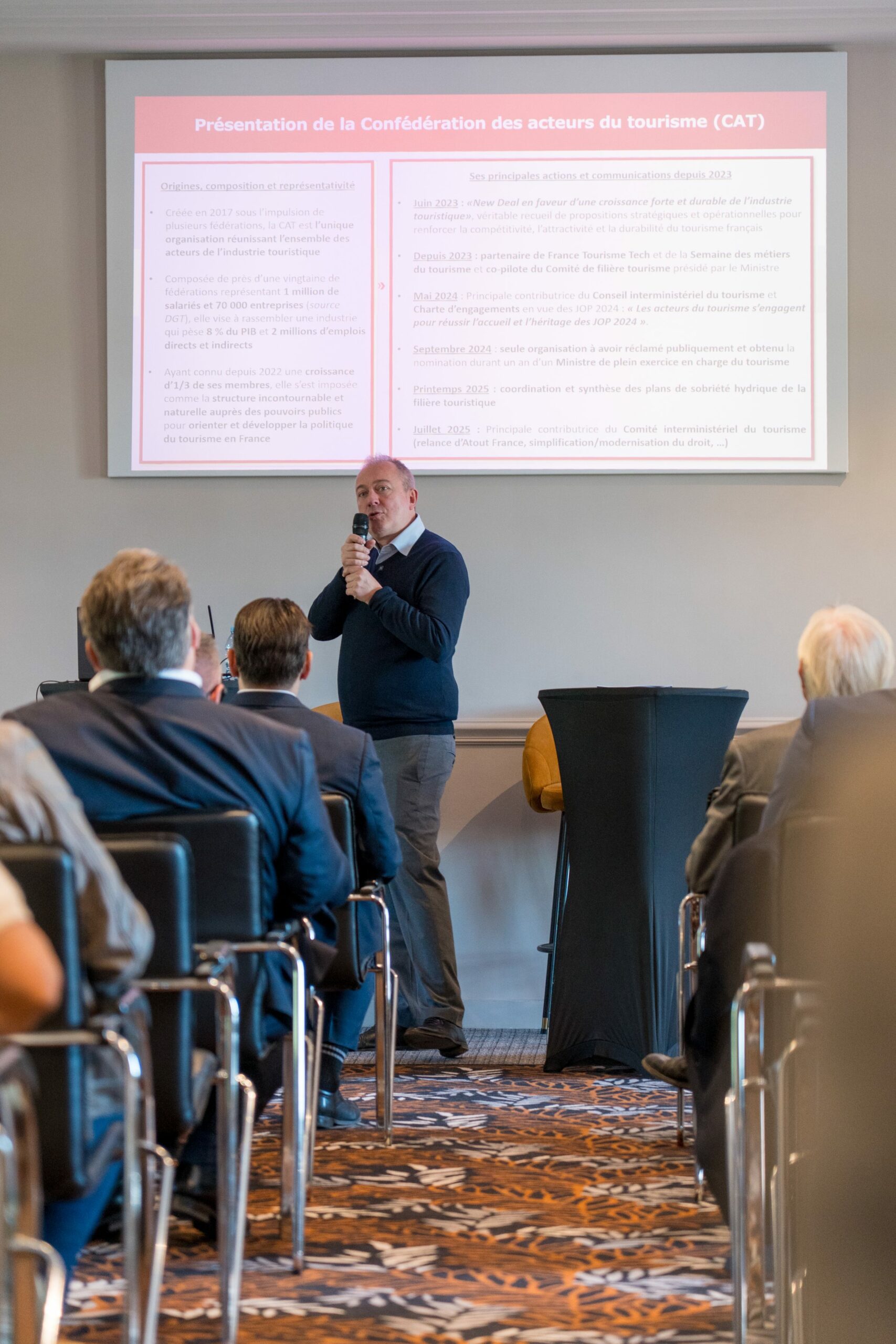
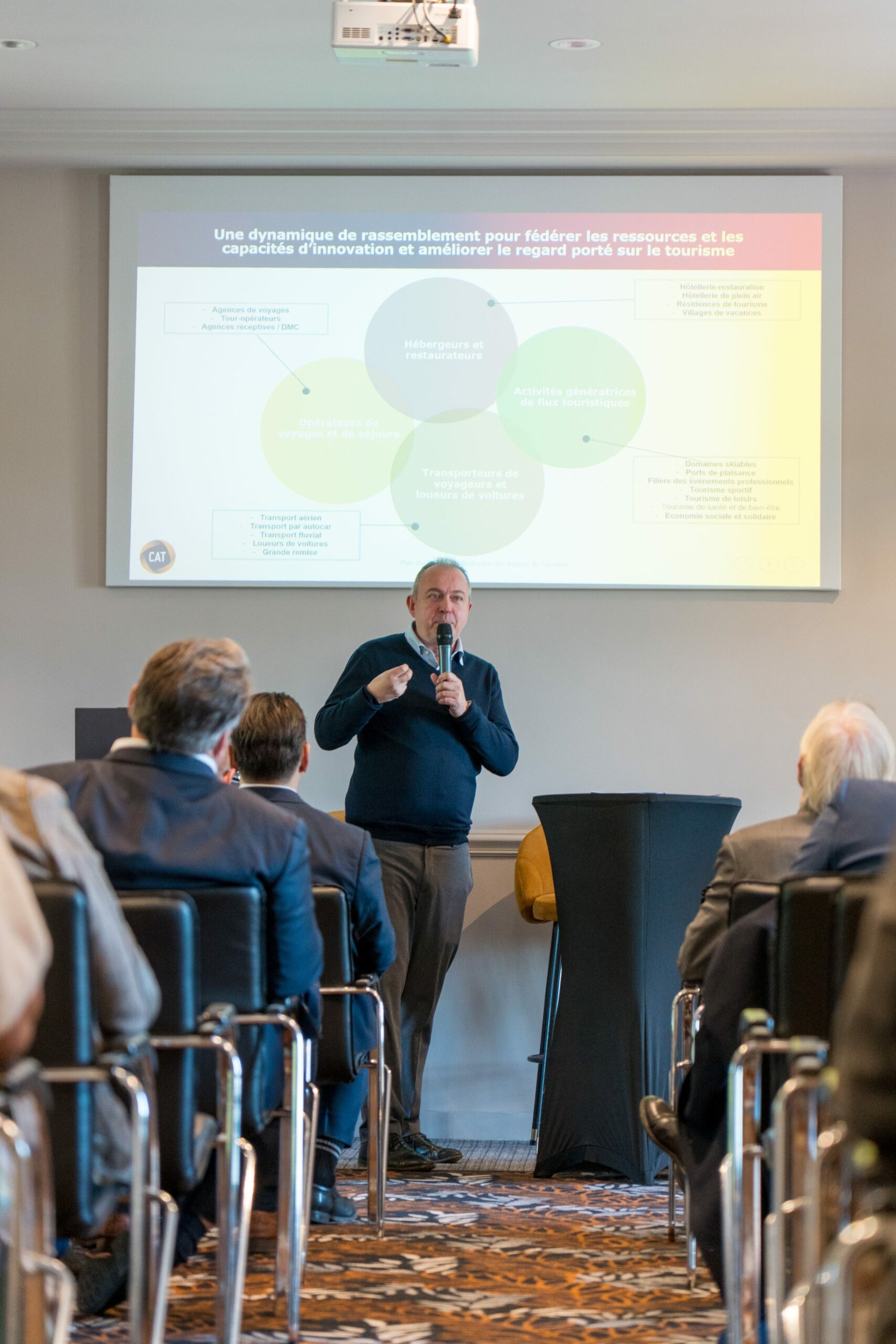
The General Meeting also included the presence of Guillaume Lemière, Director General of the Confédération des Acteurs du Tourisme.
The Confédération des Acteurs du Tourisme, often referred to as CAT, is a French confederation bringing together major organisations from the tourism industry. Its role is to represent and coordinate the interests of tourism stakeholders, including hospitality, travel, leisure, events and related services.
For CSNERT, this connection with the wider tourism industry is essential.
Chauffeur-driven transport is not an isolated service. It is part of the visitor experience, the business travel chain, the MICE sector, destination management, luxury hospitality and event logistics. Professional chauffeur companies work with hotels, travel designers, destination management companies, tour operators, event agencies, family offices, corporate clients and public institutions.
The presence of CAT at the General Meeting confirmed the importance of integrating professional chauffeur services into the broader conversation about the future of French tourism.
Defending access to strategic mobility areas
Access to key locations remains one of the major operational challenges for chauffeur-driven transport companies in France.
Members discussed the need for fair and practical access to airports, railway stations, tourist districts, event venues, restricted traffic zones and major urban centres. These areas are essential to the work of professional chauffeur companies, particularly those serving international visitors, business travellers, mobility-impaired passengers, delegations and high-end tourism clients.
CSNERT continues to advocate for balanced solutions that improve traffic flow, safety and environmental performance while ensuring that licensed chauffeur operators can continue to provide the level of service expected by their clients.
This issue is particularly important in Paris and other major French cities, where urban mobility policies increasingly affect professional transport operators.
Quality, professionalism and responsible business models
Throughout the General Meeting, CSNERT underlined the importance of quality, professionalism and responsible business structures.
The professional chauffeur sector cannot be reduced to an app-based transport market. Established operators manage complex bookings, employ or contract trained drivers, maintain high service standards, provide suitable vehicles, coordinate multi-vehicle operations, serve demanding clients and comply with a specific regulatory framework.
They are part of a professional ecosystem that includes tourism, hospitality, events, corporate mobility and public representation.
CSNERT’s position is clear: companies that invest in quality, compliance and long-term professional standards must be recognised and supported.
A collective voice for the future of the profession
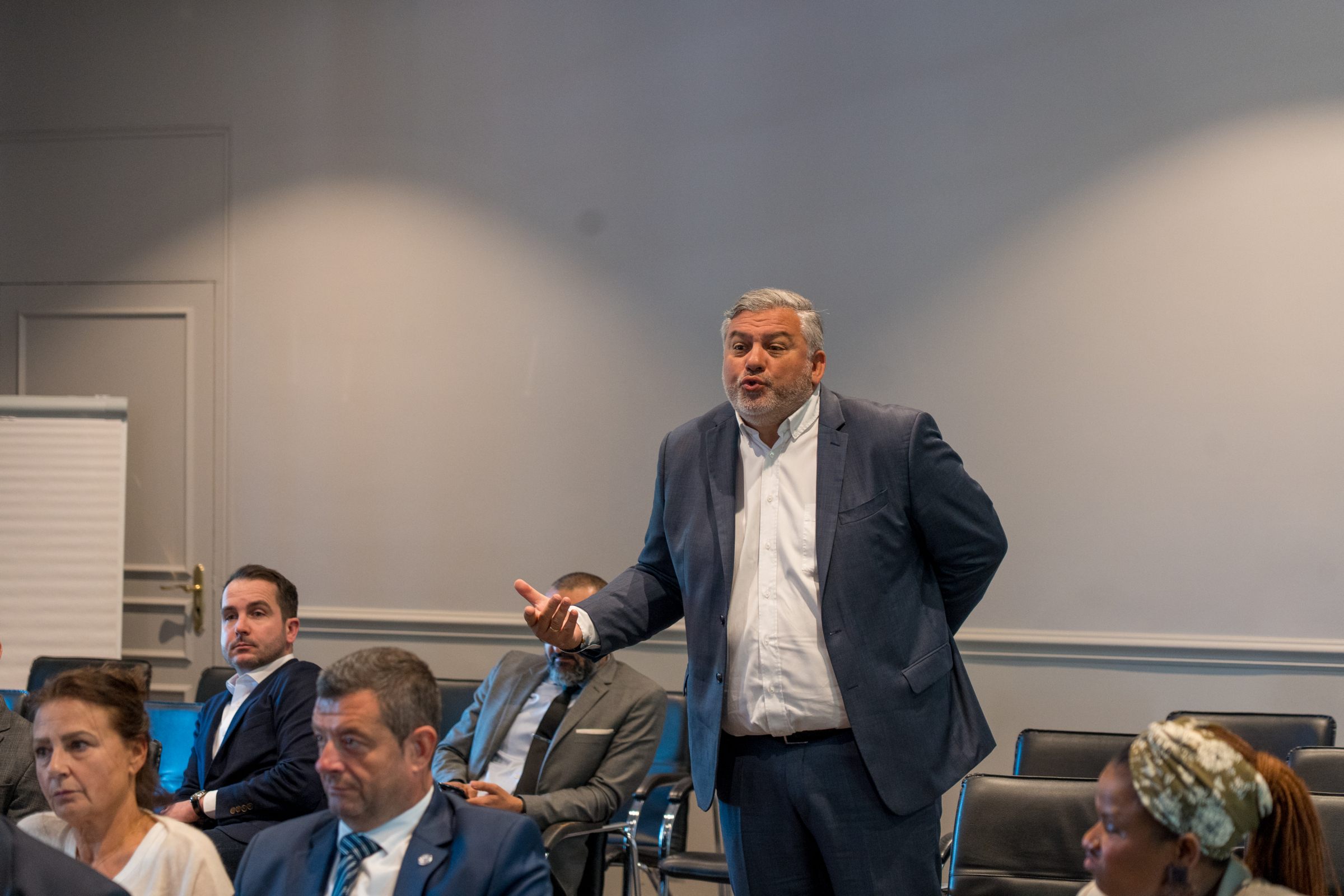
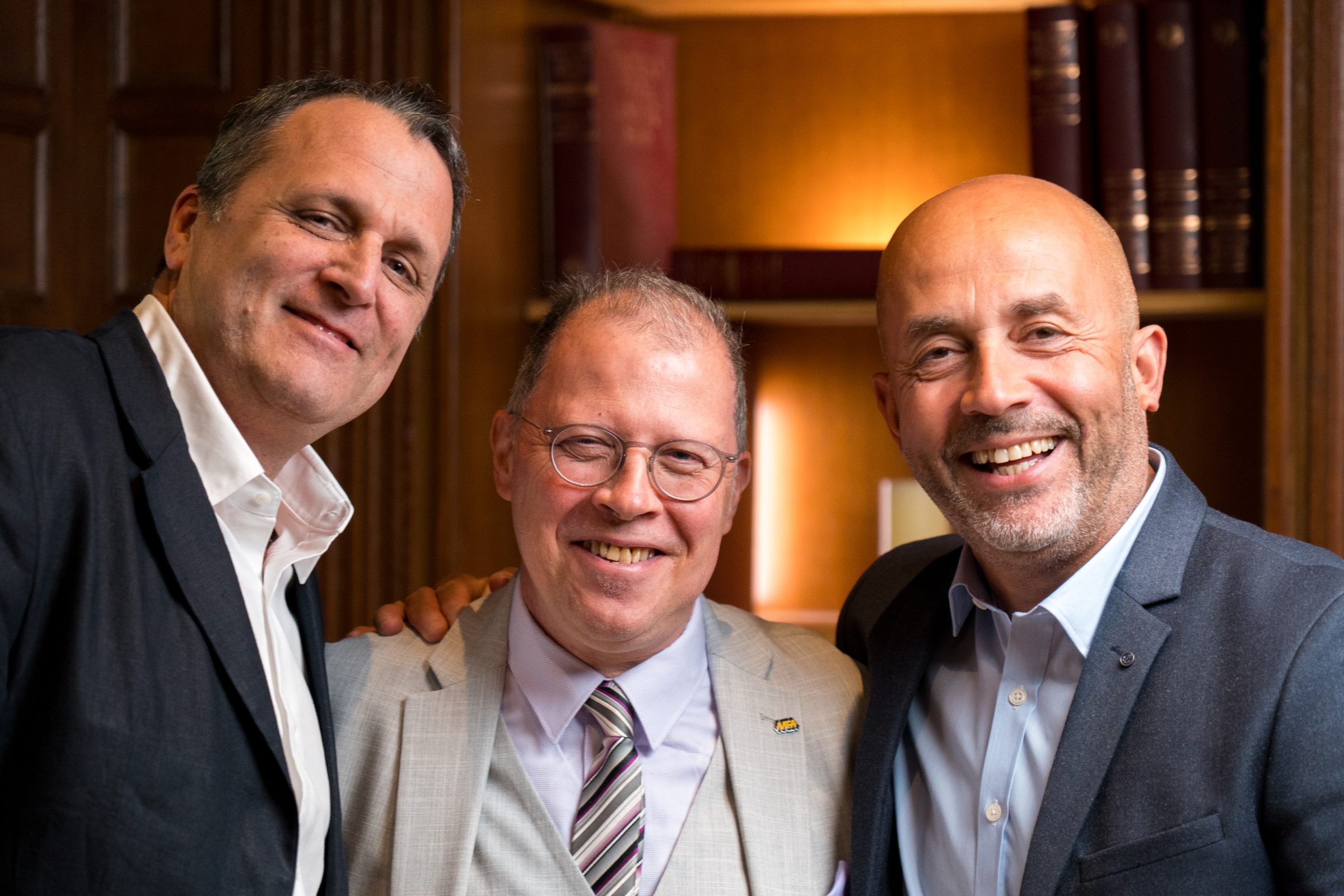
Beyond the statutory proceedings, the 2026 General Meeting was an important moment of exchange between business owners, board members, institutions and partners.
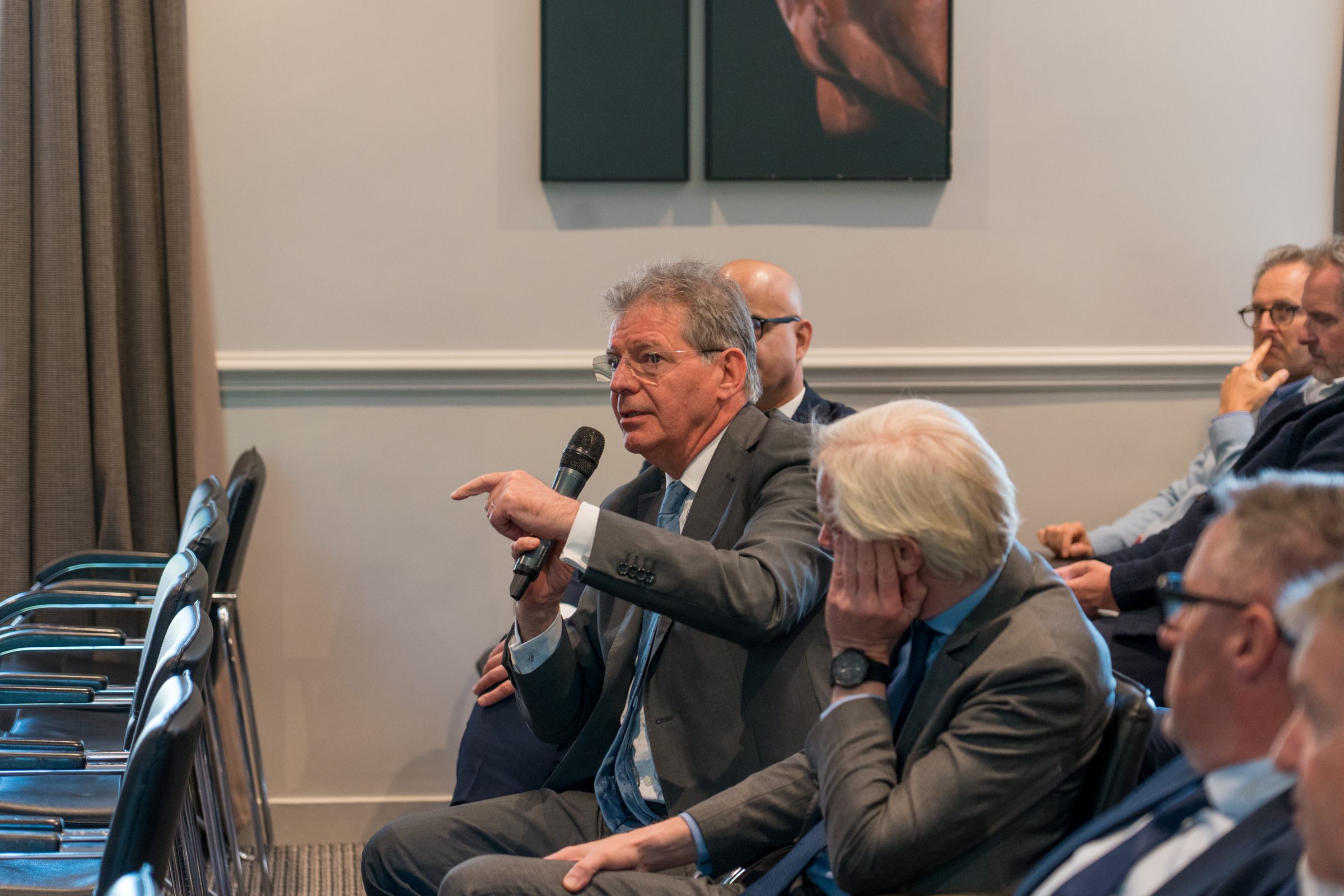
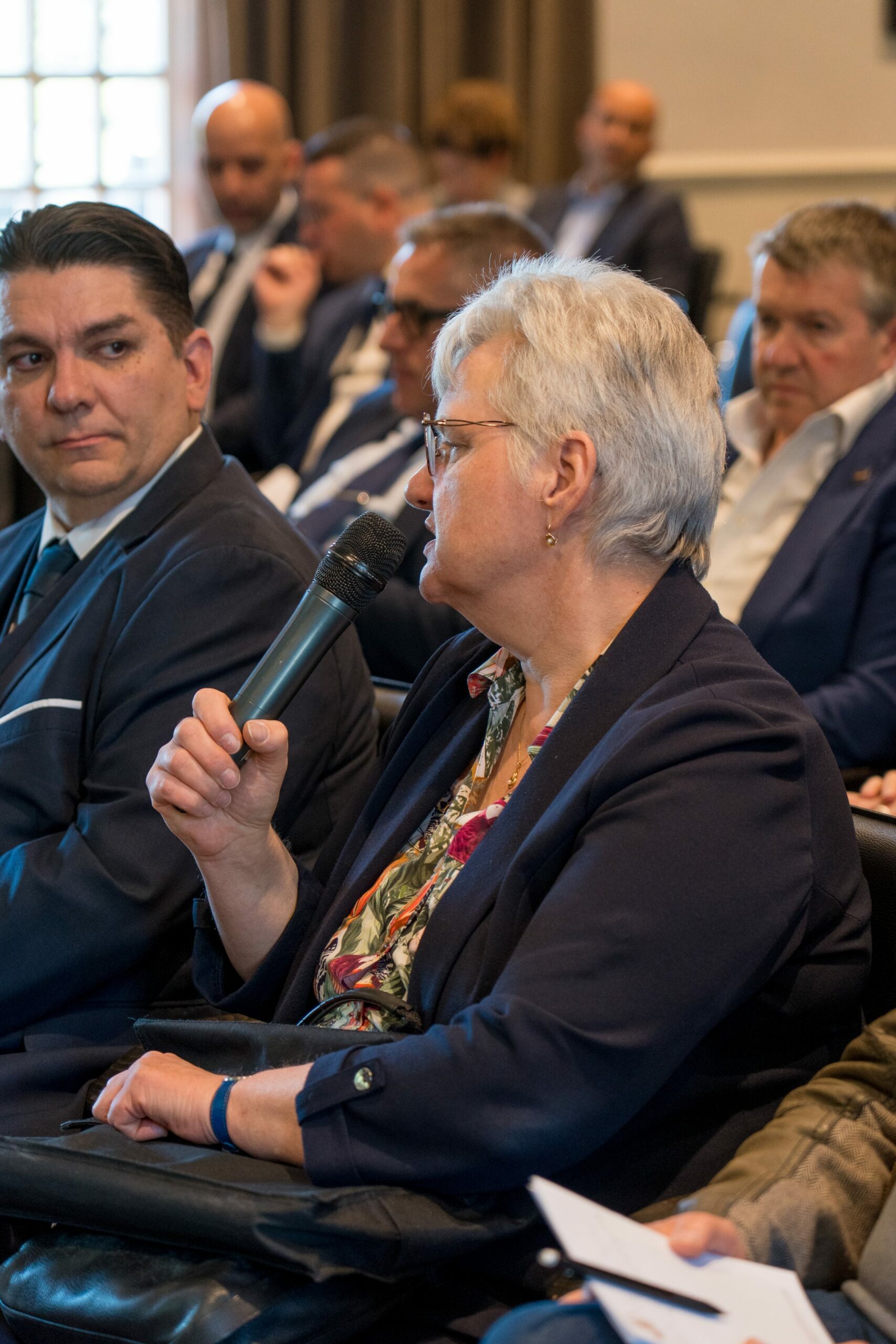
Members shared their experience from the field, discussed practical challenges and contributed to the collective work of the organisation. Topics included regulation, enforcement, access to strategic sites, quality recognition, tourism partnerships, environmental transition, business development and the attractiveness of the profession.
These discussions confirmed that the sector needs a strong, structured and independent representative body capable of engaging with public authorities and speaking on behalf of serious professional operators.
CSNERT’s message to international partners
For international chauffeur companies, travel designers, destination management companies, hotel partners and professional associations, CSNERT’s message is simple: France has a structured professional chauffeur sector, with serious operators committed to quality, safety, discretion and service excellence.
The challenges are real: regulation, enforcement, access, competition, environmental transition and recognition within the wider tourism economy. But the profession is organised, active and engaged.
CSNERT will continue to work with public authorities, tourism organisations, institutions and industry partners to defend the role of professional chauffeur-driven transport in France’s mobility, tourism and business travel sectors.
The 2026 General Meeting confirmed both the dynamism of the organisation and the importance of collective action.
CSNERT remains committed to representing France’s professional chauffeur companies and promoting a high-quality, responsible and properly recognised chauffeur sector.